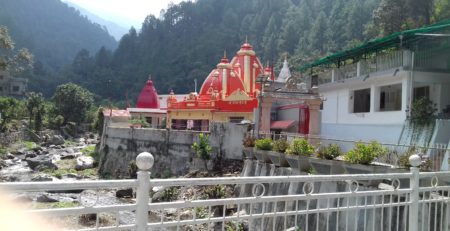
Valley of Flowers: The Tale of the Sage and Sushma
Long ago, in the serene valleys of the Himalayas, there lived a sage whose days were dedicated to meditation and penance. Despite his deep devotion, he often felt a sense of loneliness amidst the snow-covered peaks and silent forests. The vast whiteness surrounding him only deepened his solitude, and he found himself yearning for company. To break the silence, he would often shout into the mountains, hearing his own voice echo back to him. Yet, the emptiness remained.
One day, during his meditation, the sage prayed to the gods, saying, “Oh Lord, sometimes this solitude becomes unbearable. The silence of these mountains weighs heavy on my heart. Grant me some relief.”
As the sage remained in deep prayer, he suddenly heard the delicate tinkling of anklets. Opening his eyes, he was astonished to see a beautiful little girl standing before him, dressed in pure white garments, her face radiant with innocence and joy. The sage, overwhelmed with emotion, rushed to embrace the child. Tears of happiness welled up in his eyes as he held her close.
Seeing the sage’s tears, the child sweetly asked, “Why are you crying, Baba?”
The sage replied, “These aren’t tears of sorrow, my dear. These are tears of joy. Tell me, who are you? Where have you come from?”
The child smiled and answered, “I’ve come from the valleys below. My mother, Nature, sent me to be with you. My name is Sushma.”
The sage, still holding her hand, asked, “How long will you stay with me? I feel as if I’ve found a treasure I can’t bear to lose. Will you never leave me?”
The girl gently replied, “I will stay with you, Baba. My mother told me to spread happiness around you so that no one in this Himalaya ever feels lonely again. This is my home now, and you are my Baba.”
The sage’s heart filled with joy as he took Sushma around the snowy peaks and valleys. They would wander together for miles, discovering new places and sharing stories. The sage would tell her tales, and in return, Sushma filled his life with laughter and color.
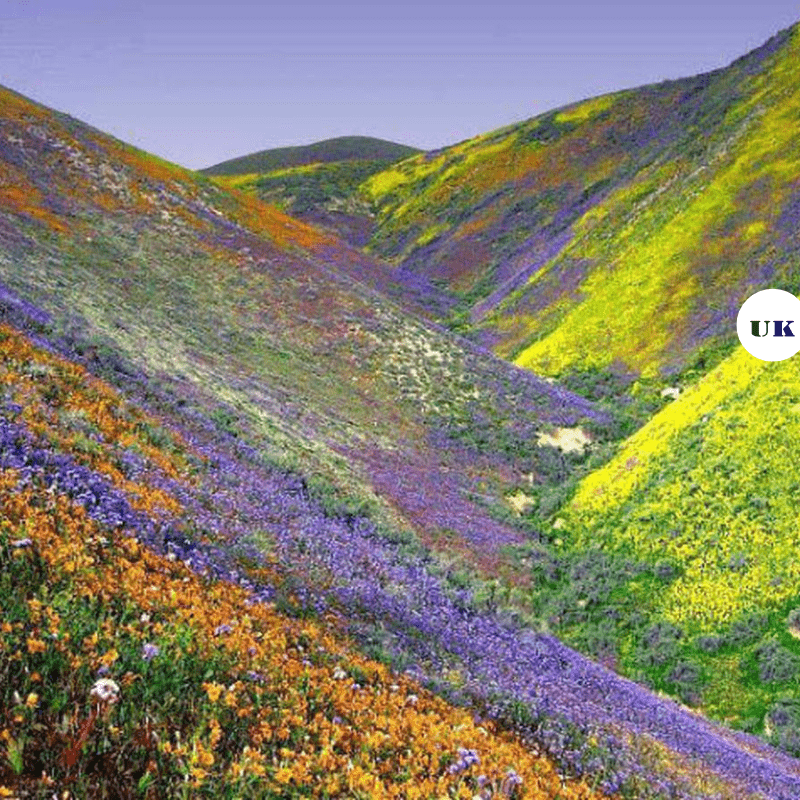
One day, the sage shared a humorous story that made Sushma burst into a fit of laughter. As she laughed, the sage noticed something miraculous—colorful flowers began to bloom wherever her laughter echoed. The vibrant blossoms spread far and wide, transforming the barren land into a breathtaking paradise. Smiling at this divine gift, the sage declared, “This is the Valley of Flowers, heaven on earth.”
The two continued their journey, with Sushma’s presence bringing beauty and joy wherever they went. On another day, while walking, Sushma slipped and injured her foot. Tears rolled down her cheeks, and as they touched the ground, clear streams of water began to flow, creating mesmerizing waterfalls. The sage was moved, realizing that even her tears brought life to the mountains.
Sushma had truly fulfilled her purpose—she had banished the sage’s loneliness and filled the Himalayas with unmatched beauty. The sage and Sushma’s bond remained unbroken as they wandered together, turning the desolate landscape into a land of flowers, streams, and serene beauty.
As time passed, people from distant lands heard about the enchanting beauty of the Himalayas. They began their journey to witness the flowers, streams, and valleys. Although the path was difficult, the sight of the heavenly landscape made them forget all hardships. However, in their quest for beauty, they also disturbed the pristine environment, causing nature to react fiercely at times.
Despite this, the sage and Sushma continued to retreat to higher peaks, spreading beauty wherever they went. Today, though the sage is gone, Sushma’s presence lives on in the valleys, streams, and the renowned Valley of Flowers in Uttarakhand. The blooming flowers and flowing waters still echo the timeless tale of Sushma and her divine laughter, which transformed the Himalayas into a paradise on earth.
This folk tale from Uttarakhand beautifully captures the magic and serenity of the Valley of Flowers, blending nature’s wonders with a heartfelt story of joy and companionship.