Valley of Flowers
Discover the beauty of Valley of Flowers National Park, a UNESCO World Heritage site nestled in the Indian Himalayas. Explore its stunning meadows, rich biodiversity, and unique flora and fauna. A perfect destination for nature lovers and trekkers.
Nestled in the heart of the majestic Indian Himalayas, Valley of Flowers National Park is a breathtaking paradise that captivates visitors with its vibrant meadows, unique flora, and abundant wildlife. Located in the Chamoli district of Uttarakhand, this UNESCO World Heritage site is a sanctuary for nature lovers, trekkers, and those seeking tranquility amid the grandeur of the Himalayas.
A Hidden Gem in the Himalayas
Valley of Flowers, which spans 87.50 square kilometers, is situated at an altitude ranging from 3,352 to 3,658 meters above sea level. The park is part of the Nanda Devi Biosphere Reserve, an area renowned for its rich biodiversity and stunning landscapes. This serene haven, surrounded by rugged peaks and pristine rivers, is home to an extraordinary variety of alpine flowers and endemic plants, many of which are rare and endangered. The valley takes on an ethereal charm when it is covered in vibrant blooms, making it one of the most sought-after destinations for botanists and nature enthusiasts alike.
Floral Extravaganza: The Heart of the Valley
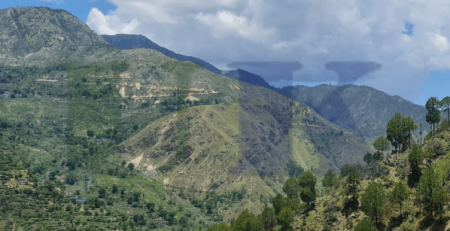
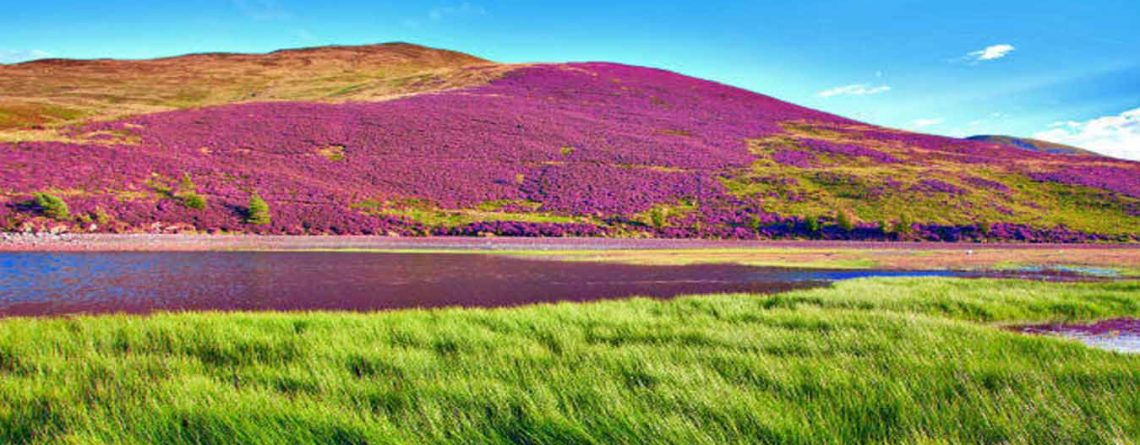
The valley is famous for its breathtaking meadows, which come alive with over 520 species of alpine plants. From the delicate blue poppy to the vibrant aster flowers, the valley is an artist’s palette of colors, changing throughout the summer season. The best time to visit is from July to early September, when the valley is in full bloom after the monsoon rains. The flora here has made the valley a hotspot for ecological studies, as it features many species that are found nowhere else in the world.
Flora and Fauna: A Rich Ecosystem
Beyond its floral beauty, the Valley of Flowers is a crucial sanctuary for rare and endangered wildlife. It provides a habitat for the elusive snow leopard, the mighty Asiatic black bear, and the majestic brown bear. Other mammals like the musk deer, red fox, and blue sheep also roam its alpine meadows. Bird watchers will be thrilled by the presence of the colorful Himalayan monal, India’s national bird, and other high-altitude species.
The unique biodiversity of the Valley of Flowers is a direct result of its location between the Zanskar and Great Himalayas ranges, creating a natural transition zone that supports a variety of ecosystems. The rich plant life is complemented by a thriving animal population, making the valley a vital part of India’s conservation efforts.
History: From Discovery to Preservation
The Valley of Flowers was virtually unknown to the outside world until 1931, when British mountaineers Frank S. Smythe, Eric Shipton, and R.L. Holdsworth stumbled upon it during an expedition to Mt. Kamet. Captivated by the valley’s extraordinary beauty, Smythe later wrote a book titled Valley of Flowers, which brought international attention to this hidden gem.
In 1939, Lady Joan Margaret Legge, a botanist from the Royal Botanic Gardens, Kew, tragically lost her life while studying the flowers in the valley. A memorial was erected in her honor, symbolizing her contribution to the exploration of the area.
The valley was officially designated as a national park in 1982 to protect its unique biodiversity. Since then, it has become a key site for ecological research and conservation, and in 1988, it was included in the Nanda Devi Biosphere Reserve, which was later inscribed as a UNESCO World Heritage site.
Trekking the Valley: A Journey to Remember
To truly experience the beauty of the Valley of Flowers, one must embark on the trek that leads to its heart. Starting from Govindghat, a small settlement located near Joshimath, the trek is around 17 kilometers long, passing through Ghangaria, a quaint village that serves as the base for those visiting the park. Along the way, trekkers are greeted by stunning views of the surrounding mountains and fields of wildflowers, making the journey itself an unforgettable adventure.
Visitors must obtain a permit from the Forest Department at Ghangaria, and while overnight stays in the park are not allowed, accommodations are available in Ghangaria. The trek is well-connected to other significant destinations like Hemkund Sahib, making it a popular route for both pilgrims and nature enthusiasts.
Ecological Significance: A Treasure Trove of Biodiversity
The Valley of Flowers plays an essential role in preserving the ecological balance of the region. It lies within the Western Himalayan alpine shrub and meadows ecoregion, which serves as a biodiversity hotspot. The valley is home to several medicinal plants and species that are considered threatened, adding to its global importance. The unique combination of flora, fauna, and its strategic location between two major Himalayan ranges makes the Valley of Flowers a natural wonder.
Conclusion: A Heavenly Escape
For those who seek an escape into nature, the Valley of Flowers National Park offers an unparalleled experience. With its vibrant meadows, stunning landscapes, and rich biodiversity, it is a testament to the beauty and resilience of the natural world. Whether you are a seasoned trekker, a botanist, or someone looking for peace amidst the mountains, the Valley of Flowers promises an unforgettable journey.
A visit to this Himalayan wonderland is not just a trek, but a spiritual journey through one of nature’s most beautiful creations – a place where the earth speaks in colors, and every step brings you closer to the heart of the Himalayas.