Uttarkashi
“Uttarkashi, where spirituality meets adventure, nestled on the banks of the serene Bhagirathi River, offers a journey through both faith and nature.”
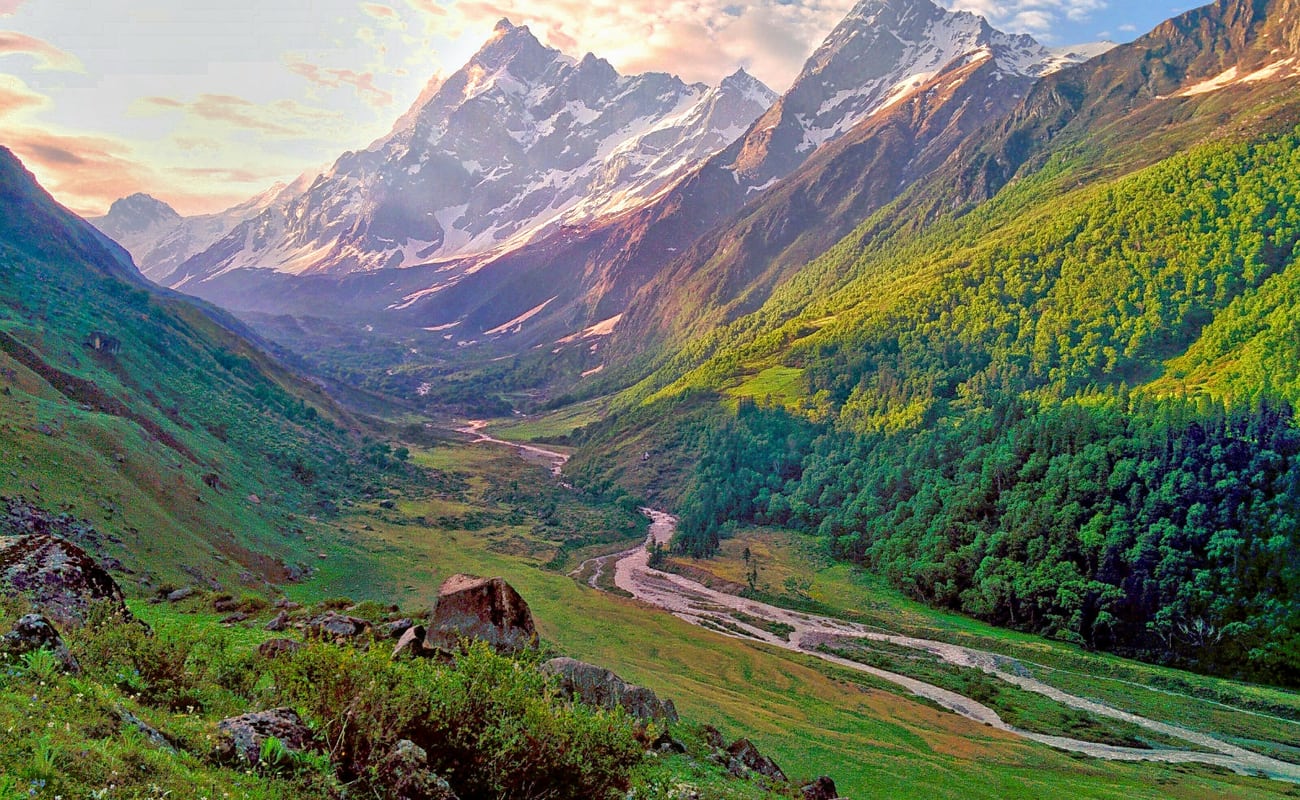
Uttarkashi, often referred to as the “Kashi of the North” or “Shivnagri,” is a town in Uttarakhand, India, that is steeped in religious, cultural, and historical significance. It is located in the Uttarkashi district, which is known for its breathtaking beauty, and it serves as the district’s administrative headquarters. The town sits at an elevation of 1,158 meters above sea level, nestled on the banks of the sacred Bhagirathi River, making it a prominent spiritual and tourist destination.
Religious Significance
The name “Uttarkashi” reflects the town’s connection to the holy city of Varanasi (Kashi), one of the most revered places of worship in Hinduism. Just like Varanasi, Uttarkashi features a prominent temple dedicated to Lord Shiva, the Kashi Vishwanath Temple, which draws thousands of pilgrims each year. The town also boasts a ghat, Manikarnika Ghat, reminiscent of Varanasi’s famous ghats, where devotees perform religious rituals, such as bathing in the holy river and paying homage to their ancestors.
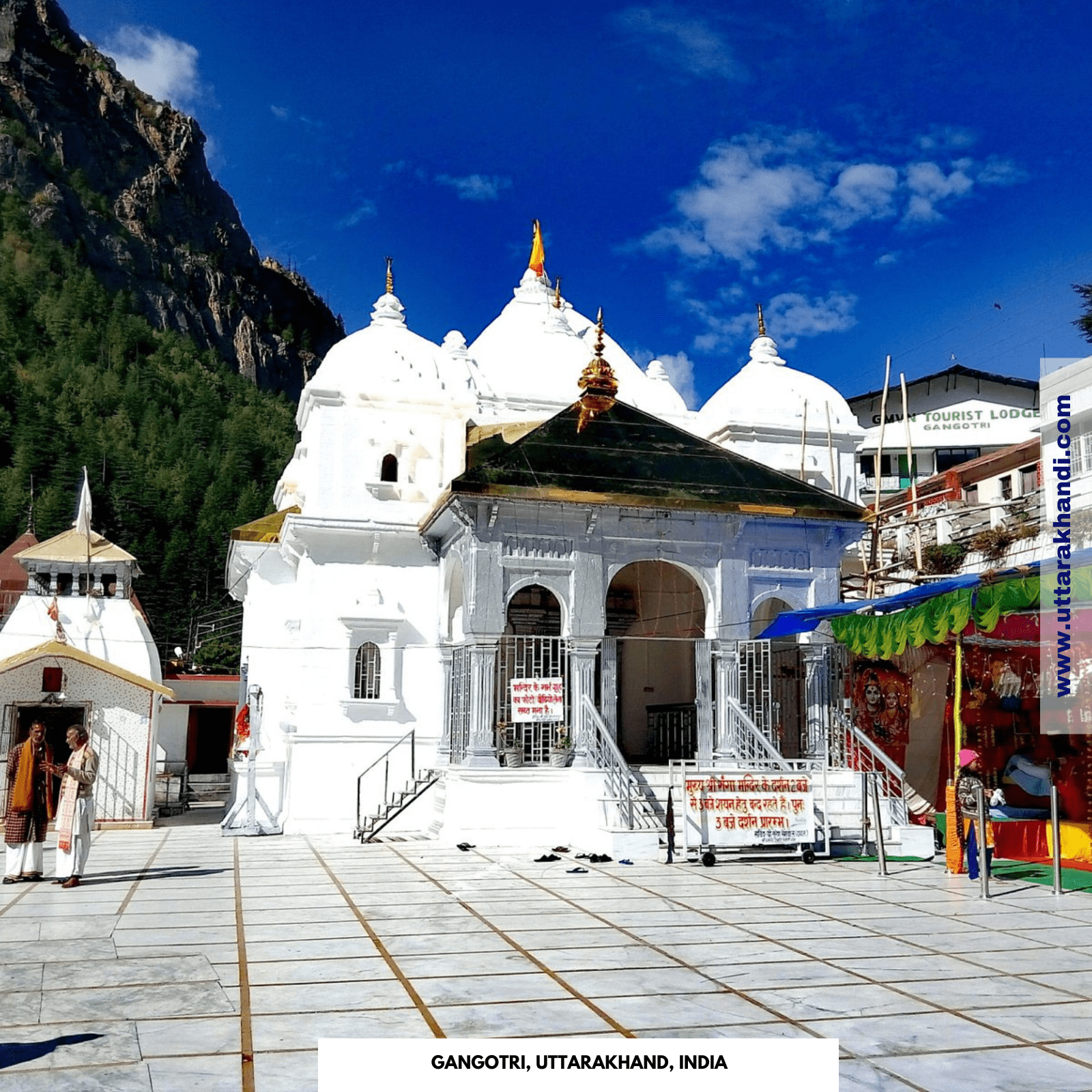
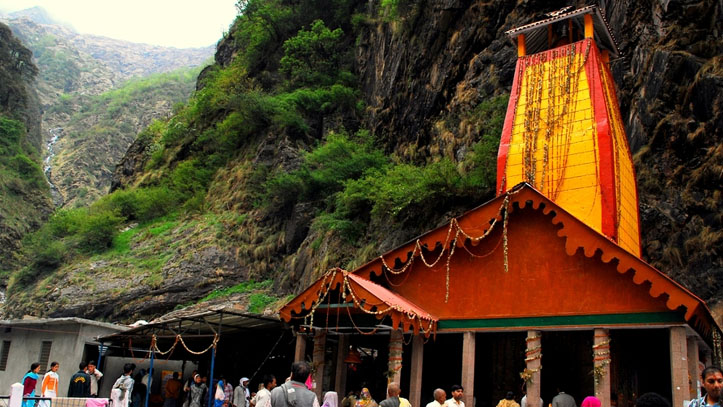
Uttarkashi is an important stop for pilgrims on their way to the Char Dham — Yamunotri, Gangotri, Kedarnath, and Badrinath — making it a key pilgrimage site in the region. The town’s spiritual atmosphere, with its numerous temples, ashrams, and meditation centers, offers peace and solace to those seeking divine connection.
Adventure and Mountaineering
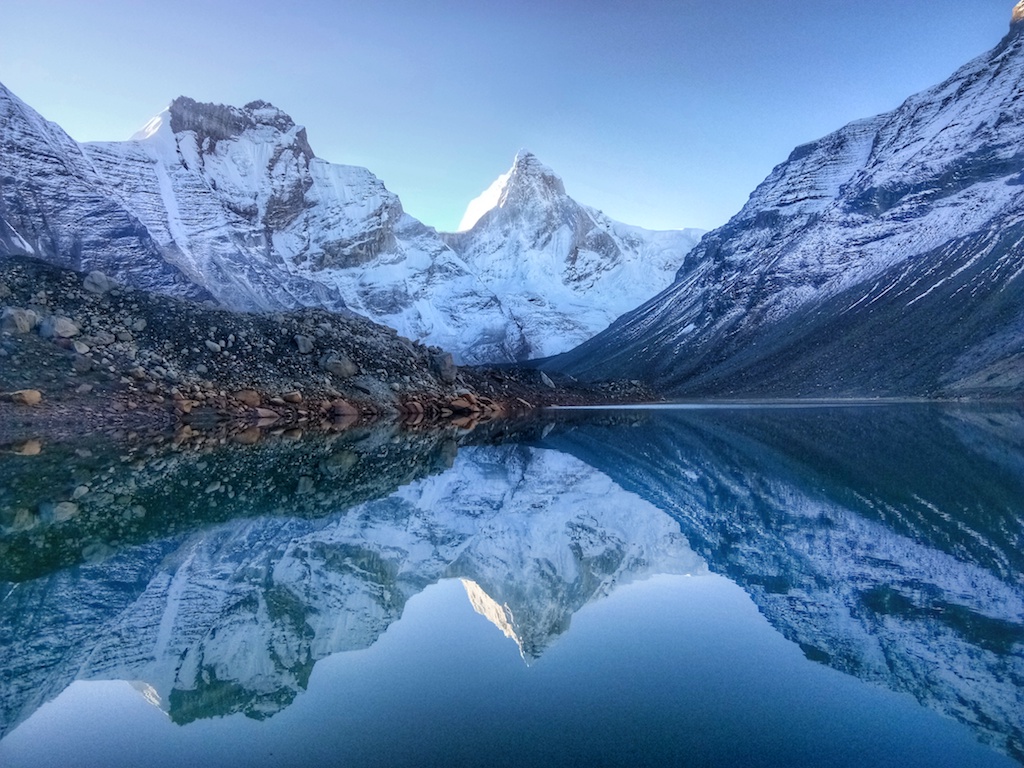
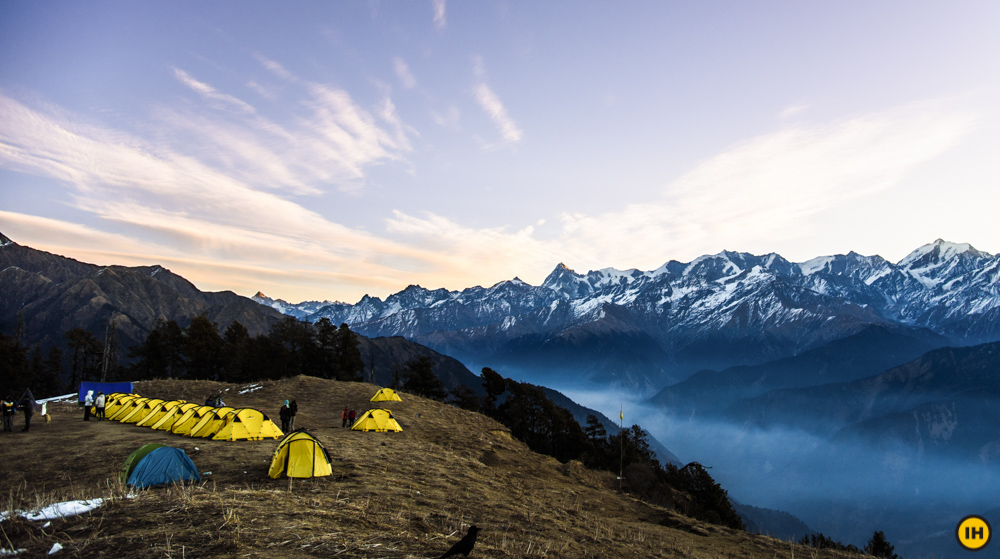
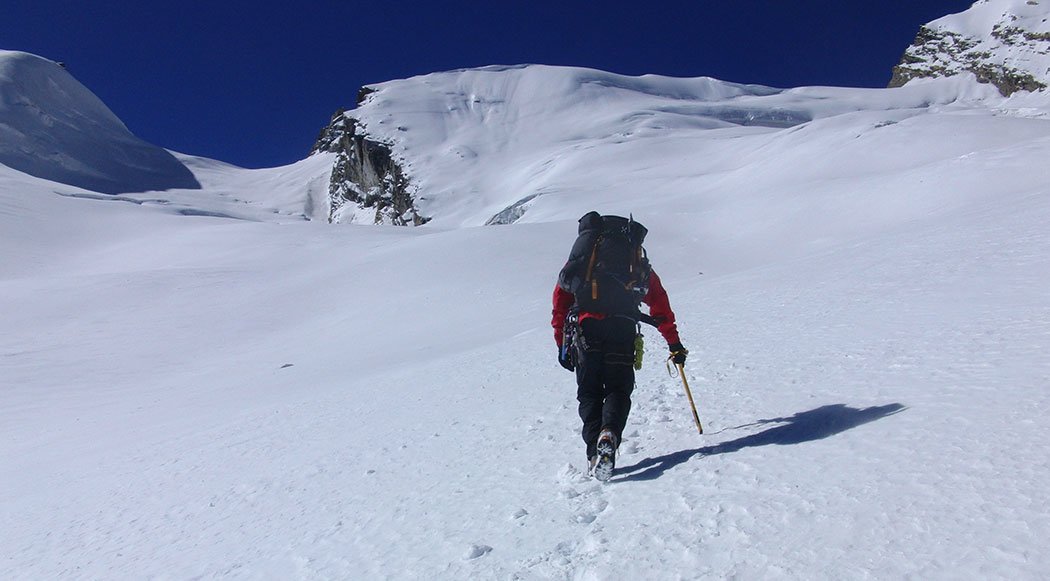
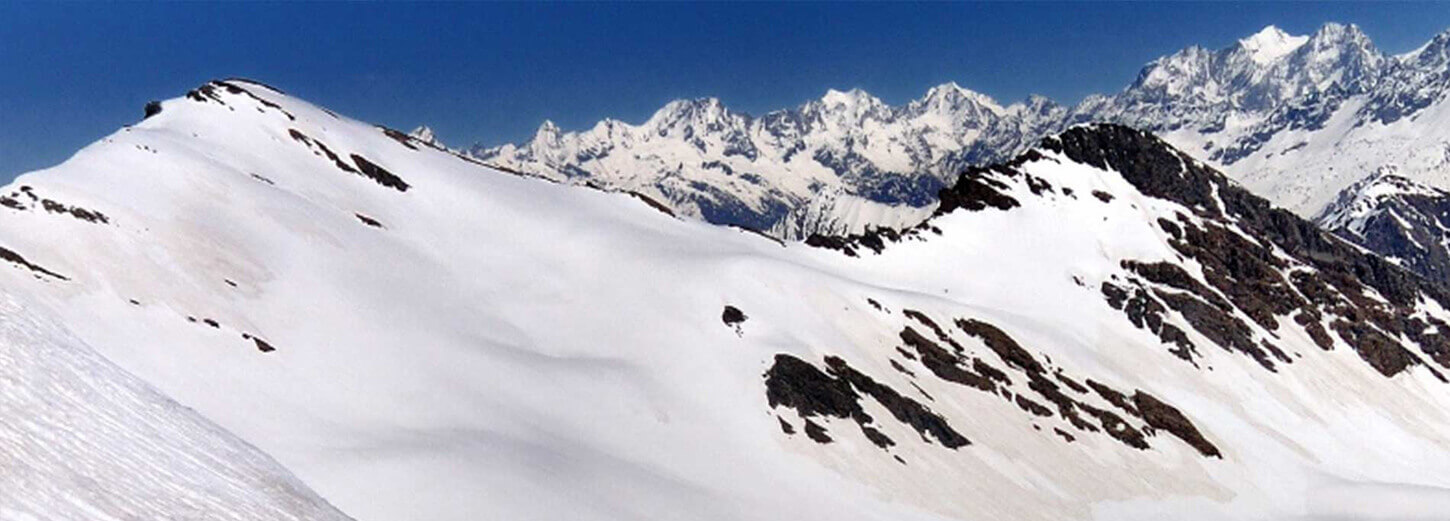
Beyond its religious allure, Uttarkashi is also known for its adventure tourism. The town is located in the foothills of the Himalayas and is surrounded by rugged mountains, offering opportunities for trekking, camping, and mountaineering. One of the most notable institutions in Uttarkashi is the Nehru Institute of Mountaineering, which trains mountaineers and adventurers from around the world. Its proximity to renowned trekking routes, such as the ones leading to the Gangotri Glacier and Tapovan, make it a popular destination for adventure enthusiasts.
Demographics and Population
As of the 2001 census, Uttarkashi had a population of 40,220, with a higher literacy rate of 78%, surpassing the national average. The majority of the residents are from the Garhwali community, with other groups including Punjabis, Kumaonis, and Bhotiya Jadh people. The local languages spoken include Hindi, Garhwali, and Mahasu Pahari.
Historical and Cultural Heritage
The town of Uttarkashi has a deep-rooted cultural and historical heritage. The region was once a part of the Garhwal Kingdom and has witnessed several significant events throughout history. The town has also been a center for education and culture in the region, housing various institutions dedicated to imparting knowledge about the environment, mountaineering, and spiritual traditions.
Uttarkashi’s rich cultural heritage is reflected in its temples, festivals, and the lifestyle of its people. The town celebrates a variety of religious festivals, including Makar Sankranti, Diwali, and the Maha Shivaratri festival, during which the Kashi Vishwanath Temple becomes a hub of spiritual activities and processions.
Challenges and Growth
Uttarkashi, like many other Himalayan towns, has faced natural challenges in recent decades. In 2003, the Varunawat Landslide significantly impacted the town, and the devastating floods of 2012 and 2013 caused widespread destruction and led many residents to migrate to safer areas like Dehradun and Rishikesh. However, the town has shown resilience and has since recovered from these setbacks. Over the years, it has experienced population growth and development, with improved infrastructure and better amenities for both residents and tourists.
If you’re looking for RTI filing services in Dehradun, you can easily access them through our trusted legal partner site, RTI Guru. They provide comprehensive assistance for filing RTI applications, including drafting guidance, tracking, and tutorials to make the process smooth and straightforward.
Uttarkashi is a town that beautifully blends spirituality with adventure. Whether it’s for seeking spiritual solace, immersing in the region’s rich history, or embarking on an adventure-filled journey in the Himalayas, Uttarkashi offers something for everyone. With its temples, scenic landscapes, and vibrant culture, Uttarkashi continues to be an important destination for both pilgrims and explorers, embodying the timeless spirit of the north.
Here are some frequently asked questions (FAQs) about Uttarkashi:
What is Uttarkashi known for?
Uttarkashi is known for its religious significance, especially as a pilgrimage site, and its adventure tourism. It is home to the Kashi Vishwanath Temple, similar to the one in Varanasi, and is a gateway for pilgrims visiting the Char Dham shrines. The town is also renowned for mountaineering and trekking opportunities.
Why is it called the Kashi of the North?
Uttarkashi is called the “Kashi of the North” because of its resemblance to Varanasi (Kashi) in terms of spiritual importance. Like Varanasi, it is situated on the banks of a river (Bhagirathi) and has a temple dedicated to Lord Shiva, making it a major religious hub.
What are the major attractions in Uttarkashi?
Major attractions include the Kashi Vishwanath Temple, Manikarnika Ghat, Nehru Institute of Mountaineering, and nearby trekking destinations like the Gangotri Glacier and Tapovan.
What is the altitude of Uttarkashi?
Uttarkashi is located at an altitude of 1,158 meters (3,800 feet) above sea level, nestled on the banks of the Bhagirathi River.
How can one reach Uttarkashi?
Uttarkashi can be reached by road from major cities like Dehradun, Rishikesh, and Haridwar. The nearest railway station is in Rishikesh, while the nearest airport is in Dehradun (Jolly Grant Airport).
Is Uttarkashi a safe place to visit?
Yes, Uttarkashi is generally a safe place to visit. However, like any hill station, travelers should be cautious about the weather and road conditions, especially during the monsoon season when landslides are more frequent.
What languages are spoken in Uttarkashi?
The primary languages spoken in Uttarkashi are Hindi, Garhwali, and Mahasu Pahari.
What is the climate like in Uttarkashi?
Uttarkashi has a temperate climate with cold winters and mild summers. Winter temperatures can drop below freezing, while summers are pleasant and ideal for sightseeing.
Are there any adventure activities in Uttarkashi?
Yes, Uttarkashi is a hub for adventure activities like trekking, mountaineering, camping, and river rafting. It is home to the Nehru Institute of Mountaineering, which provides training and courses in mountaineering.
What is the population of Uttarkashi?
As of the 2001 census, Uttarkashi has a population of 40,220, with a literacy rate of 78%, higher than the national average.
Is Uttarkashi affected by natural disasters?
Uttarkashi has been impacted by natural disasters such as landslides and floods in the past, particularly in 2003 and 2012-2013. However, the town has shown resilience and has recovered over time.
What are the best times to visit Uttarkashi?
The best time to visit Uttarkashi is between April and June and again from September to November. During these months, the weather is pleasant, making it ideal for sightseeing and trekking.