Udham Singh Nagar
“Udham Singh Nagar: Where history, culture, and nature meet at the crossroads of India and Nepal.”
Udham Singh Nagar, a vibrant district located in the Terai region of Uttarakhand, India, is known for its rich cultural heritage, agricultural prominence, and historical significance. The district was formed on September 29, 1995, by the Mayawati government, carved out from the Nainital District. Named after the legendary freedom fighter Udham Singh, this district stands as a tribute to his bravery and sacrifice during India’s fight for independence.
Geographical Overview
Udham Singh Nagar is nestled in the Kumaon Division of Uttarakhand and shares borders with several districts in Uttar Pradesh, making it a pivotal connection point between the two states. To the north lies Nainital District, to the northeast is Champawat District, while to the east, it shares an international border with Nepal. The district is bordered by Uttar Pradesh’s Bareilly, Rampur, Moradabad, Pilibhit, and Bijnor districts to the south and west.
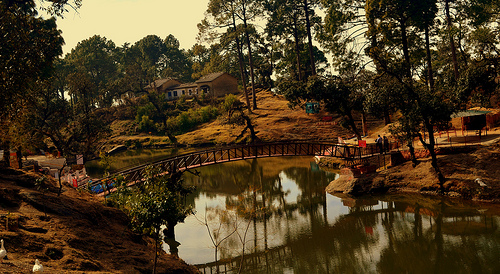
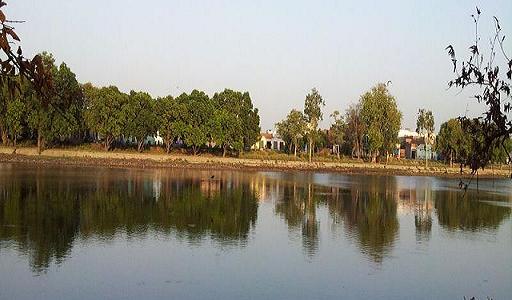
The district’s diverse landscape consists of fertile plains, making it an important agricultural region in the state. The area is part of the larger Terai region, characterized by its lush vegetation and proximity to the Himalayan foothills. It is also an area of great environmental importance, serving as a natural habitat for a variety of flora and fauna.
Economy and Agriculture
Udham Singh Nagar is one of the most agriculturally significant regions in Uttarakhand, with a variety of crops being cultivated throughout the year. The fertile soil in this area supports the growth of a range of crops, including rice, sugarcane, wheat, and vegetables. This has led to the district’s emergence as a major hub for agribusiness in the region.
In addition to agriculture, the district has seen significant industrial development in recent years, particularly in the towns of Rudrapur and Kashipur. The establishment of industrial units has boosted employment opportunities, and the region is now a growing industrial center in Uttarakhand.
Administrative Setup
The district is divided into nine tehsils: Bajpur, Gadarpur, Jaspur, Kashipur, Khatima, Kichha, Nanakmatta, Rudrapur, and Sitarganj. The district headquarters is located in Rudrapur, which serves as a key administrative and economic center. Over the years, Rudrapur has seen substantial growth, both in terms of population and infrastructure, transforming into one of the district’s most developed urban centers.
Demographics and Population
As of the 2011 Census, Udham Singh Nagar had a population of over 1.6 million people, making it the third most populous district in Uttarakhand, after Haridwar and Dehradun. The district’s population density is high due to its fertile land and industrial growth, which attract both local and migrant workers. The population consists of diverse communities, with a mix of rural and urban dwellers, contributing to the district’s rich cultural mosaic.
Historical and Cultural Significance
Udham Singh Nagar holds deep historical significance, owing much of its identity to the legacy of Udham Singh, the freedom fighter. Singh, a key figure in India’s struggle for independence, is remembered for his courageous act of avenging the Jallianwala Bagh massacre by assassinating Michael O’Dwyer, the former Lieutenant Governor of Punjab, in 1940.
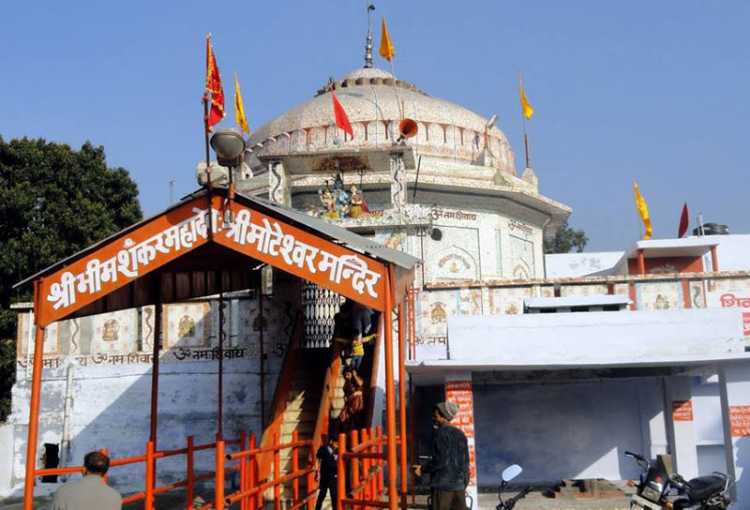
The district is not just a reminder of Udham Singh’s heroics but also features numerous cultural and historical sites that attract visitors. The district’s proximity to Nainital also makes it an excellent base for tourists looking to explore the Kumaon region’s natural beauty.
Infrastructure and Development
Udham Singh Nagar has made considerable strides in terms of infrastructure development. The district is well-connected by road and rail, and its proximity to the major cities of Dehradun and Delhi further enhances its accessibility. The development of highways, particularly the National Highway 74, has contributed significantly to the district’s economic growth, facilitating the transportation of goods and people.
In addition to transportation, the region has made significant progress in terms of healthcare, education, and public services. Rudrapur, the district headquarters, boasts a number of schools, colleges, and healthcare facilities, which cater to the growing population. The presence of various industries also provides employment opportunities, further contributing to the district’s rapid urbanization.
Challenges and Future Prospects
While Udham Singh Nagar has made considerable progress, the district still faces challenges, particularly in terms of environmental sustainability, water management, and the preservation of its natural resources. The rapid growth of industrial units and urbanization has put pressure on the region’s resources, and addressing these challenges will require careful planning and sustainable development practices.
Looking ahead, Udham Singh Nagar has immense potential for further growth, especially in sectors like agriculture, education, tourism, and manufacturing. By leveraging its strategic location, rich agricultural land, and growing industrial sector, the district can continue to develop while preserving its cultural heritage and natural beauty.
If you’re looking for RTI filing services in Udham Singh Nagar, you can easily access them through our trusted legal partner site, RTI Guru. They provide comprehensive assistance for filing RTI applications, including drafting guidance, tracking, and tutorials to make the process smooth and straightforward.
Udham Singh Nagar is a dynamic district, blending historical significance with modern-day development. With its rich agricultural background, vibrant industrial sector, and deep cultural roots, it has carved a unique place in Uttarakhand’s landscape. The district’s evolution from a rural area to a thriving urban hub is a testament to its resilience and the contributions of its people, making it an important part of the state’s growth story.
Here are some frequently asked questions (FAQs) about Udham Singh Nagar, Uttarakhand:
What is Udham Singh Nagar known for?
Udham Singh Nagar is known for its rich agricultural heritage, industrial growth, and historical significance, particularly its association with the freedom fighter Udham Singh.
Where is Udham Singh Nagar located?
Udham Singh Nagar is located in the Terai region of Uttarakhand, sharing borders with Uttar Pradesh and Nepal. It is part of the Kumaon Division and is bounded by Nainital, Champawat, and several Uttar Pradesh districts.
When was Udham Singh Nagar created as a district?
Udham Singh Nagar was created on September 29, 1995, when it was carved out of the Nainital District.
How did Udham Singh Nagar get its name?
The district is named after Udham Singh, a freedom fighter known for avenging the Jallianwala Bagh massacre by assassinating Michael O’Dwyer.
What are the main industries in Udham Singh Nagar?
The district is known for its agricultural industry, producing crops such as rice, sugarcane, and wheat. It also has a growing industrial sector, with significant development in towns like Rudrapur and Kashipur.
How many tehsils are there in Udham Singh Nagar?
Udham Singh Nagar has nine tehsils: Bajpur, Gadarpur, Jaspur, Kashipur, Khatima, Kichha, Nanakmatta, Rudrapur, and Sitarganj.
What is the population of Udham Singh Nagar?
As of the 2011 Census, Udham Singh Nagar has a population of over 1.6 million, making it the third most populous district in Uttarakhand.
What is the district headquarters of Udham Singh Nagar?
The district headquarters of Udham Singh Nagar is located in Rudrapur, which is also the largest city in the district.
What are the major tourist attractions in Udham Singh Nagar?
Udham Singh Nagar is close to Nainital and offers beautiful landscapes, including lush green fields and forested areas. The district also holds historical significance due to its connection to Udham Singh, and visitors can explore various sites related to his life and legacy.
How is Udham Singh Nagar connected to other parts of Uttarakhand and India?
Udham Singh Nagar is well-connected by road and rail, with National Highway 74 passing through the district, connecting it to major cities in Uttarakhand and Uttar Pradesh.
What challenges does Udham Singh Nagar face?
Udham Singh Nagar faces challenges related to environmental sustainability, water management, and urbanization. Rapid industrial growth and urbanization have put pressure on resources, requiring careful planning for sustainable development.
What is the future outlook for Udham Singh Nagar?
With its strategic location, fertile agricultural land, and growing industrial sector, Udham Singh Nagar has significant potential for further growth in agriculture, education, tourism, and manufacturing.