Traditional Jewellery of Uttarakhand
Uttarakhand’s traditional jewelry reflects the rich cultural heritage of the Garhwal and Kumaon regions. Known for its intricate designs and symbolic meanings, this jewelry includes pieces like the Tikka, Jhumka, Nath, and Payal, each representing beauty, status, and traditions. Worn during festivals, weddings, and daily life, these ornaments are a proud expression of the state’s unique customs and artistry.
Uttarakhand, with its serene landscapes and rich cultural heritage, is not only known for its temples and natural beauty but also for its vibrant traditional jewelry. The jewelry of Uttarakhand reflects the state’s deep-rooted customs, spiritual beliefs, and the distinct lifestyles of its people. Each region, whether Garhwal or Kumaon, carries its own unique designs and significance in the pieces worn, particularly by women. These traditional adornments are more than just ornamental; they serve as symbols of prosperity, beauty, and social status, connecting the people of Uttarakhand to their roots and traditions.
Uttarakhandi people love Jewellery as much as other Indians do. Uttarakhandi ornaments are solid, simple, and elegant. Uttarakhand has some really special pieces of jewelry, which are unique to it. Let’s have a look at some special pieces of Jewellery from Uttarakhand which will surely add a charm to your collection.

Bulaq
Bulaq is one of the most distinctive and iconic pieces of jewelry in Uttarakhand, deeply embedded in the cultural identity of the region. It is a traditional nose ornament worn in the septum of the nose, making it an unmistakable symbol of Uttarakhandi jewelry. Bulaq is typically long and made from gold, often embellished with various intricate motifs that reflect the artistry of the region’s skilled jewelers.
This ornament holds significant cultural importance, especially among the Garhwali, Kumaoni, and Jaunsari communities. It is exclusively worn by married women, symbolizing their marital status. The Bulaq is not only a form of personal adornment but also a cultural marker, representing a woman’s connection to her heritage and her community. It is considered a symbol of respect, beauty, and status, often passed down through generations as a treasured heirloom.
While Bulaq is a hallmark of Uttarakhandi jewelry, it is also a cherished symbol of marital commitment, deeply embedded in the traditions and customs of the region. It is typically worn during weddings and special ceremonies, and its presence on the nose is a clear reflection of the cultural pride and traditional values upheld by the people of Uttarakhand.
Pahunchi
Pahunchi is a traditional ornament that resembles a bracelet and holds significant cultural value in Uttarakhand. Worn primarily by Kumaoni women, though also seen among the Garhwali people, Pahunchi is typically adorned during auspicious occasions, festivals, and special celebrations. Its design is unique, reflecting the rich craftsmanship of the region.
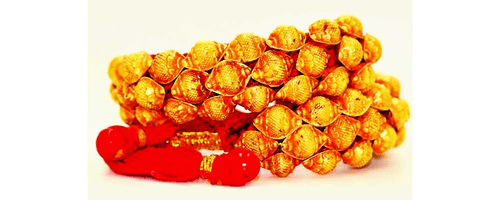
The Pahunchi is crafted using red cloth as the base material, symbolizing vitality and auspiciousness in Uttarakhandi culture. It is then studded with gold beads or silver beads, adding a touch of elegance and tradition. The contrasting combination of cloth and metal gives it a distinctive look that stands out in the traditional jewelry collection of Uttarakhand.
This piece is more than just a decorative item; it is a symbol of cultural identity and tradition, often passed down from one generation to the next. Wearing Pahunchi not only adds to the festive look but also ties the wearer to the region’s long-standing cultural heritage, making it a beloved and cherished piece in Uttarakhandi jewelry.

Hansuli
Hansuli is a traditional silver necklace that holds deep cultural significance among the women of Garhwali, Kumaoni, Jaunsari, and Bhotiya communities. Also known as Khagwali in Garhwali, this simple yet elegant piece of jewelry is typically worn around the neck during special occasions and festivals. The Hansuli is cherished for its understated beauty and is often passed down through generations, symbolizing both cultural pride and familial ties.
The Hansuli is traditionally crafted in silver, but in some instances, it is made from gold, adding to its grandeur. It is a popular choice for brides, who wear it during their Sagai (engagement) ceremony, marking the beginning of a new chapter in their life. The necklace’s design is simple but graceful, making it an essential part of the bride’s wedding ensemble.
In cases where a family cannot afford to buy a Hansuli, it is a common practice for others in the community to lend it, reflecting the spirit of community and mutual support that exists in the region. This beautiful necklace, whether worn during personal milestones or festive gatherings, continues to hold a special place in the hearts of Uttarakhandi women, representing tradition, unity, and cultural continuity.
Galobandh
Galobandh is a traditional and unique necklace that holds great cultural significance in Uttarakhand, particularly within the Kumaoni, Garhwali, and Jaunsari communities. This striking piece of jewelry is worn around the neck and consists of intricately designed golden squares that are carefully studded onto a red cloth belt, held together with thread. The design is not only aesthetically pleasing but also reflects the region’s rich craftsmanship and cultural heritage.
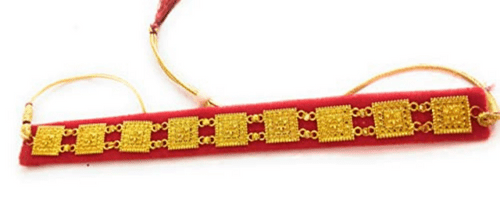
Exclusively reserved for married women, the Galobandh is worn on special occasions, adding elegance and grace to traditional attire. It is particularly valued in rural areas, where it remains a key component of traditional dress, symbolizing marital status and cultural identity. While it holds a special place in the hearts of the people in Kumaon, Garhwal, and Jaunsar, the Galobandh continues to be a treasured part of Uttarakhandi culture, often seen during festive celebrations, weddings, and other significant events.
This unique necklace not only adds beauty to the wearer but also represents the deep-rooted traditions and the timeless connection between the people of Uttarakhand and their cultural heritage.
Nathuli
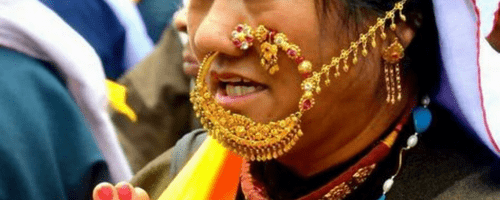
Nathuli is a distinct and intricate nose ring that holds a prominent place in Uttarakhandi bridal jewelry. Made with a combination of gold and pearls, it is an exquisite ornament symbolizing both beauty and status. The Nathuli is divided into two parts—half of it is crafted from pearls, while the other half is made of gold. The number of pearls used in the design often signifies the status of the family, with wealthier families using more pearls to create an opulent look.
In Garhwal and Kumaon, the Nathuli is an essential bridal accessory, traditionally gifted by the maternal uncle of the bride. The gold section of the nose ring is delicately carved with intricate patterns, and it often features motifs inspired by nature, such as peacocks or floral designs, adding a regal touch. The Tehri Naths from Garhwal, known for their large and moon-shaped designs, are particularly famous for their elaborate craftsmanship. These oversized rings feature golden or jewel bead hangings, making them even more dramatic.
Due to their heavy weight, the Nathuli is often worn with a golden string attached to the hair, secured with a silver clip, ensuring comfort and stability for the wearer. The Nathuli is reserved exclusively for married women and continues to represent the elegance and prestige of Uttarakhandi culture. While the Kumaoni Nathuli is more subtle and simple, it remains equally aesthetic and an essential part of the region’s bridal jewelry tradition.
Dhaguli
Dhaguli are silver bangles traditionally worn by women in the Kumaon region of Uttarakhand. These bangles are often thick and heavy, designed with a simple yet elegant look. Dhaguli are worn in multiple sets, often in pairs or stacks, and are a staple of everyday wear. They are deeply ingrained in the cultural identity of the Kumaon region and hold significance as a symbol of womanhood, strength, and grace. The bangles are typically made from silver, reflecting the region’s heritage of silver craftsmanship, and are passed down through generations as family heirlooms. In traditional Kumaoni weddings, the bride may wear a special set of Dhaguli as a mark of her new life, making them an integral part of marriage rituals and celebrations.
Charyo
Charyo is an essential wedding ornament for women in both Kumaon and Garhwal, representing the marital status of a woman. It is crafted using black beads interspersed with gold beads, making it a striking and meaningful piece of jewelry. The Charyo is considered sacred, as it is not meant to be exchanged or worn by anyone other than the married woman who owns it. Traditionally, Charyo is worn daily by married women as a symbol of their commitment and marital bond. The ornament’s distinct and intricate design reflects the artistry of local jewelers who have preserved this tradition over generations. In addition to its cultural and personal significance, the Charyo is often passed down from mother to daughter, cementing its role as an heirloom piece that connects women to their cultural roots and family heritage.
Tigdi or Kamarband
The Tigdi, also known as Kamarband, is a waist ornament that is worn by women in both Kumaon and Garhwal. The ornament can be found in two primary forms: one made from cloth and the other from silver, depending on the region and occasion. The cloth version is often simpler, made from braided or woven materials, while the silver version is more elaborate, featuring intricate designs and sometimes studded with small stones or embellishments. The Tigdi is designed to fit around the waist and is typically worn over the saree or traditional attire, serving as both a functional and decorative accessory. It is a symbol of beauty and femininity, and in many regions, it is considered a sign of a woman’s maturity and her readiness for marriage. The ornament is made up of multiple strings or chains, which are carefully crafted to ensure comfort and style. The Tigdi is especially worn during festivals, ceremonies, and special occasions, where it enhances the overall appearance and adds an elegant touch to the attire.
Karnaphool
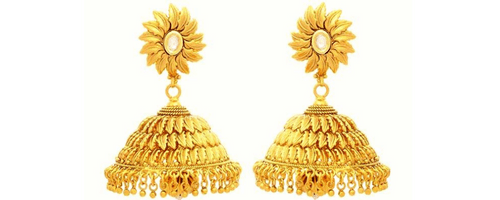
Karnaphool is a stunning ear-shaped ornament that covers the entire ear. This traditional piece of jewelry is one of the most elaborate forms of earrings in Uttarakhand. Made from silver or gold, Karnaphool is often adorned with fine detailing and sometimes set with stones, adding an extra element of elegance. The design, resembling a flower (hence the name “phool”), is meant to enhance the beauty of the wearer and is often associated with wedding rituals and cultural festivals. It is a cherished part of the traditional jewelry set in Uttarakhand, symbolizing beauty, grace, and prosperity.
Chandrahar
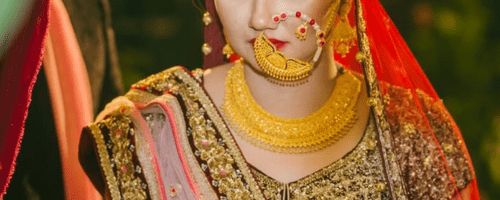
Chandrahar is an exquisite necklace that holds significant cultural value in the traditional jewelry of Uttarakhand. Composed of multiple golden chains arranged consecutively, Chandrahar is adorned with golden flowers or kundan clasps that hold the chains together. The design of this necklace is inspired by the crescent moon, and its shape mimics the curves of the moon, which is why it is named Chandrahar or sometimes Chandroli, with “chandra” meaning “moon” in Hindi.
This necklace is often worn by women during festive occasions, weddings, and religious ceremonies, and it is considered a symbol of elegance, beauty, and prosperity. The multiple layers of golden chains represent wealth and abundance, while the intricate detailing with golden flowers or kundan adds a touch of grace and grandeur.
Chandrahar is a preferred piece of jewelry for brides in Uttarakhand, as it complements traditional attire beautifully. Its rich design and craftsmanship showcase the region’s skilled artisans, and it continues to be a beloved piece of jewelry for generations.
Kundal and Bali
In Uttarakhand, earrings come in a variety of styles, with Kundal and Bali being two of the most prominent types. Kundal are traditional earrings that come in various shapes, including circular, oval, or more intricate designs. They are made of silver or gold, depending on the occasion and the region, and are worn by both men and women in Kumaon and Garhwal. The distinctive shape and design of Kundal make them a popular choice, and they are often passed down through generations as family heirlooms. They are considered to enhance one’s beauty and are frequently worn during festivals, marriages, and other special occasions.
Bali, on the other hand, refers to large, circular earrings, typically made of gold. These bold and beautiful earrings are a hallmark of traditional Uttarakhandi jewelry and are often worn by women during major cultural celebrations and weddings. The circular shape of Bali is symbolic, representing unity and eternity. Bali earrings are crafted with intricate designs, sometimes adorned with small stones or patterns, making them stand out as significant elements of a woman’s bridal or festive attire. The size of the earrings often varies depending on personal preference and the occasion.
Murkhali
Murkhali are silver earrings worn on the upper part of the ear, and occasionally, they are made from gold. These unique earrings are known for their distinct placement on the ear, giving them a characteristic look. Murkhali are typically small and delicate, but they carry great cultural significance, often seen as a symbol of grace and femininity. Worn by both married and unmarried women, they hold a special place in traditional attire and are considered auspicious in many Uttarakhandi households.
Munad
Munad is a silver ornament typically worn by men in the Kumaon region of Uttarakhand. This ornament, although not as common in other regions, is significant in Kumaon’s traditional attire. It’s a symbol of masculinity and heritage, with its intricate craftsmanship showcasing the region’s silverwork skills. Munad is often worn in combination with other traditional pieces during cultural ceremonies, festivals, and family celebrations.
Gongkhle or Bajuband
The Gongkhle (also known as Bajuband) is a traditional Uttarakhandi arm ornament that holds significant cultural value. Typically made with silver coins, this piece of jewelry is worn on both arms, adding a striking touch to the attire. The design features a collection of silver coins that are intricately arranged and connected, often giving the ornament a unique, textured appearance.
The Gongkhle is a piece of jewelry that transcends both function and beauty, serving as an important part of the ethnic attire in the region. It is worn on special occasions such as weddings, festivals, and cultural celebrations. The Bajuband is worn by both men and women in Garhwal, Kumaon, and other parts of Uttarakhand, reflecting the area’s rich heritage and traditional artistry.
The use of silver in the making of Gongkhle symbolizes not only the aesthetic value of the jewelry but also its cultural significance. It continues to be a cherished piece of jewelry, signifying connection to Uttarakhand’s heritage and its commitment to preserving traditional craftsmanship.
There are many other types of Uttarakhandi jewelry, including Pajeb, which are web-shaped anklets adorned with metallic bells, typically made of silver or copper. Janvar are large hollow anklets filled with small stones or seeds that produce a sound when worn. Bichuwa are traditional toe rings worn by women. Sikke mala or Kaldaar is a necklace made with coins, representing a unique form of currency-inspired jewelry.
Other notable pieces of jewelry from Uttarakhand include Lachha, Kandwa, Paeda, Moorkhala, Sheeshphool, Bandi, Matarmala, Kanthi mala, Mungo ki mala, Chawanni mala, Thwaq, Jhinwara, Timanya, and Imrati. Each of these pieces carries cultural significance and reflects the rich heritage of the region, showcasing the intricate craftsmanship and traditional designs that continue to be an integral part of Uttarakhand’s jewelry culture.
In conclusion, the traditional jewelry of Uttarakhand is a beautiful reflection of the state’s diverse culture and history, showcasing the artistic mastery and craftsmanship passed down through generations. From the intricate necklaces and earrings to the ornate headpieces and bangles, each piece tells a story of the region’s customs, rituals, and beliefs. This jewelry not only holds aesthetic value but also serves as a symbol of status, spirituality, and community bonding. As the world modernizes, it remains crucial to preserve these timeless traditions, ensuring that future generations can continue to appreciate and wear these exquisite pieces that embody the soul of Uttarakhand.