🌸Top Flowers of Uttarakhand🌿
A Floral Paradise in the Himalayas
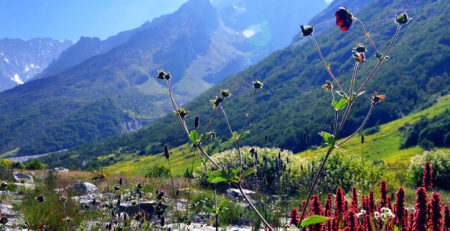
Uttarakhand, often called Devbhoomi (Land of the Gods), is home to some of the most unique and breathtaking flowers in the world. Nestled in the Himalayan foothills, this region boasts an incredible range of floral diversity, from high-altitude meadows to dense forests. The state’s flowers not only add vibrancy to the landscape but also hold deep cultural, medicinal, and ecological significance. Many of these flowers are integral to Uttarakhand’s traditions, being used in temples, herbal remedies, and even local cuisine. Some of them are so rare that they bloom only for a few months, while others are considered sacred and associated with Hindu mythology.
Whether it is the mystical Brahma Kamal, the fiery red Buransh, or the exotic Blue Poppy, each flower tells a fascinating story. Uttarakhand’s Valley of Flowers, a UNESCO Heritage Site, is a prime example of this floral richness, attracting trekkers and botanists from across the world.
Let’s explore the most iconic flowers of Uttarakhand, their locations, significance, and fascinating facts!
🌺 Brahma Kamal (Saussurea obvallata) – The Divine Flower
Brahma Kamal, named after Lord Brahma, is regarded as the King of Himalayan Flowers and is deeply revered in Hindu mythology. This mystical flower is known for its rare night-blooming nature, symbolizing divine energy and spiritual awakening. It is said that the Pandavas offered Brahma Kamal to Lord Shiva in the Himalayas, making it an important flower in Uttarakhand’s temple rituals.
Found in the cold alpine meadows of the region, Brahma Kamal thrives at extreme altitudes, where few plants can survive. The flower has thick, waxy petals, which help it retain moisture in harsh climates. It is also used in Tibetan medicine, particularly for treating fevers, infections, and inflammation.
📍 Location: Kedarnath, Badrinath, Hemkund Sahib, Valley of Flowers
🌍 Habitat: 3,000–4,500 meters, found in cold alpine meadows
🌿 Significance: Used in Tibetan medicine and Hindu temple rituals
🌸 Flowering Season: June to August
✅ Fact: Brahma Kamal blooms only once a year at night and emits a strong fragrance
✅ Cultural Importance: It is offered at Kedarnath and Badrinath temples as a sacred offering
💙 Blue Poppy (Meconopsis aculeata) – The Himalayan Sapphire
The Himalayan Blue Poppy is one of the rarest and most mesmerizing flowers found in Uttarakhand. With its striking blue petals and golden center, it is often called the “Blue Sapphire of the Himalayas.” This flower thrives in high-altitude conditions, where extreme cold and rocky terrain make survival difficult for most plant species.
Historically, the Blue Poppy was believed to be a mythical flower, as it was rarely seen and difficult to cultivate. Its vibrant color and delicate texture make it a favorite among botanists and photographers. The flower is used in traditional herbal medicine to treat altitude sickness, fatigue, and stress-related ailments.
📍 Location: Valley of Flowers, Nanda Devi Biosphere Reserve, Kedarnath
🌍 Habitat: 3,000–4,500 meters, found in high-altitude meadows
🌿 Significance: Used in traditional medicine to treat altitude sickness and fatigue
🌸 Flowering Season: June to August
✅ Fact: The Blue Poppy was once thought to be a mythical plant due to its extreme rarity
✅ Pollination: Relies on honeybees and butterflies, which thrive in the Himalayan region
❤️ Buransh (Rhododendron arboreum) – Uttarakhand’s State Flower
The Buransh flower, also known as Himalayan Rhododendron, is one of the most recognized and cherished flowers of Uttarakhand. Known for its fiery red blossoms, it covers the hillsides and forests, creating a breathtaking view in spring. This flower is famous not only for its beauty but also for its medicinal and culinary uses.
Buransh is widely used to make refreshing juice, known for its antioxidant properties. It helps lower blood pressure, boost immunity, and reduce heatstroke effects in summer. Locals also use it in homemade syrups, pickles, and teas. The leaves and bark are used in traditional medicine to treat inflammation and respiratory issues.
📍 Location: Nainital, Mussoorie, Chopta, Kumaon and Garhwal regions
🌍 Habitat: 1,500–3,600 meters, found in hilly forests and slopes
🌿 Significance: Used for juice, medicine, and local cuisine
🌸 Flowering Season: February to April
✅ Fact: The Buransh flower changes color from red to pink to white as it ages
✅ Cultural Importance: Buransh juice is a famous Uttarakhand delicacy and is sold across the state
🟣 Balsam (Impatiens sulcata) – The Monsoon Beauty
Balsam, locally known as Gulmehendi, is a vibrant purple and pink wildflower that thrives in moist conditions. It is commonly found along riverbanks, forest trails, and damp meadows. This flower is known for its delicate petals and fast-growing nature, making it a favorite among gardeners and herbalists.
One of the most fascinating aspects of Balsam is its seed dispersal mechanism—when touched, its pods burst open to spread seeds, earning it the nickname “Touch-Me-Not”. The flower is also used in herbal medicine for its antiseptic and skin-soothing properties. Its extracts are commonly found in natural skin treatments and organic dyes.
📍 Location: Valley of Flowers, Almora, Pithoragarh, Rudraprayag
🌍 Habitat: 1,500–3,600 meters, grows in damp forests and riverbanks
🌿 Significance: Used in herbal skin treatments and natural dye-making
🌸 Flowering Season: July to October
✅ Fact: The Balsam flower bursts open when touched, which is why it’s called “Touch-Me-Not”
✅ Pollination: Attracts bees and butterflies, playing a vital role in forest ecosystems
🌼 Cobra Lily (Arisaema tortuosum) – The Serpent-Like Wonder
The Cobra Lily, also known as Jack-in-the-Pulpit, is one of Uttarakhand’s most unique and mysterious flowers. Named for its striking resemblance to a cobra’s hood, this flower is often spotted in the dense forests and slopes of the Himalayas. The plant has a long, curved spathe (hood-like structure) that acts as a trap for insects, ensuring pollination.
This unusual flower is highly toxic if consumed raw, but in small doses, its root extracts are used in Ayurvedic medicine to treat joint pain, respiratory ailments, and digestive issues. It thrives in cool, shaded areas and is often found growing among ferns and moss-covered rocks.
📍 Location: Valley of Flowers, Kedarnath, Binsar, Pithoragarh
🌍 Habitat: 1,800–3,500 meters, found in dense forests and shaded slopes
🌿 Significance: Used in Ayurvedic medicine and traditional remedies
🌸 Flowering Season: April to July
✅ Fact: The Cobra Lily’s spathe is designed to trap insects, which helps in pollination
✅ Cultural Importance: Respected in folklore, often linked to spiritual beliefs
🏵️ Primula (Primula denticulata) – The Himalayan Fairy Flower
Primula, commonly known as the Drumstick Primrose, is a delicate and colorful Himalayan wildflower. These purple, pink, and white blooms are often found dotting the high-altitude meadows and adding a burst of color to Uttarakhand’s landscapes. The flower is highly fragrant, attracting bees and butterflies, making it a crucial part of the local ecosystem.
In traditional medicine, Primula is used to relieve headaches, colds, and anxiety. The plant is also known for its anti-inflammatory properties and is used in natural skincare treatments. Primulas grow in large clusters, making them a stunning sight during the spring and summer months.
📍 Location: Valley of Flowers, Auli, Kedarnath Wildlife Sanctuary
🌍 Habitat: 3,000–4,500 meters, found in Himalayan meadows
🌿 Significance: Used in herbal medicine and natural skincare
🌸 Flowering Season: March to June
✅ Fact: Primula flowers thrive in cool, damp conditions, often near glacial streams
✅ Tourist Attraction: Valley of Flowers is famous for its vast stretches of blooming Primulas
🌻 Marigold (Tagetes erecta) – The Sacred Temple Flower
Marigold is one of the most commonly cultivated flowers in Uttarakhand, known for its bright orange and yellow blossoms. This flower holds immense religious significance and is widely used in Hindu rituals, festivals, and temple decorations. It is believed to ward off evil spirits and bring prosperity and positivity.
Apart from its religious importance, Marigold is valued for its medicinal properties. It is used in traditional Ayurvedic medicine to treat skin infections, eye irritations, and inflammation. The flower is also known for its natural insect-repellent properties, making it useful in organic farming.
📍 Location: Almora, Ranikhet, Haridwar, Nainital
🌍 Habitat: 500–2,000 meters, grown in gardens and temple courtyards
🌿 Significance: Used in Hindu rituals, medicines, and organic pest control
🌸 Flowering Season: Throughout the year, with peak blooms in October and March
✅ Fact: Marigold flowers produce a strong fragrance that naturally repels insects
✅ Cultural Importance: Used in Navratri, Diwali, and temple offerings across India
💜 Lavender (Lavandula angustifolia) – The Aromatic Treasure
Lavender, with its soothing fragrance and purple blossoms, is one of the most valuable medicinal flowers grown in Uttarakhand. It is cultivated for its essential oil, which is used in aromatherapy, skincare, and herbal medicine. The flower’s calming properties make it popular for reducing stress, anxiety, and sleep disorders.
In Uttarakhand, Lavender farming has gained popularity as part of organic and sustainable agriculture. The plant is highly drought-resistant and thrives in rocky, well-drained soils. Lavender fields in the hills of Uttarakhand are a sight to behold, attracting tourists and nature lovers.
📍 Location: Chamoli, Uttarkashi, Pithoragarh, Valley of Flowers
🌍 Habitat: 1,500–2,500 meters, grown in farmlands and meadows
🌿 Significance: Used in aromatherapy, herbal medicine, and skincare
🌸 Flowering Season: April to July
✅ Fact: Lavender oil is used as a natural remedy for stress and insomnia
✅ Tourist Attraction: Lavender farms in Pithoragarh and Chamoli are becoming popular ecotourism spots
🌸 Siroi Lily (Lilium mackliniae) – The Himalayan Jewel
The Siroi Lily is a rare and stunning flower known for its soft pink petals and unique bell shape. Though more commonly associated with Manipur, small patches of this flower are also found in the higher reaches of Uttarakhand. The flower is considered a symbol of purity and peace.
Siroi Lily is highly endangered, and its limited habitat makes it one of the rarest lilies in India. It requires specific soil conditions and high-altitude weather to thrive. The flower is often seen in alpine meadows, where it grows in small clusters.
📍 Location: Valley of Flowers, Nanda Devi Biosphere Reserve
🌍 Habitat: 3,000–4,500 meters, found in high-altitude meadows
🌿 Significance: Considered a symbol of peace and purity
🌸 Flowering Season: June to August
✅ Fact: The Siroi Lily changes color slightly depending on altitude
✅ Conservation Status: Endangered due to habitat destruction
🌺 Blue Poppy (Meconopsis aculeata) – The Himalayan Sapphire
The Blue Poppy, also known as the Himalayan Blue Poppy, is one of the most exotic and stunning flowers found in Uttarakhand. Its vibrant blue petals and golden center make it look like a jewel in the Himalayan landscape. This flower is extremely rare and grows at very high altitudes, where it thrives in cool temperatures and rocky slopes.
The Blue Poppy is also known for its medicinal properties, traditionally used in Tibetan and Ayurvedic medicine to treat pain, fever, and high blood pressure. However, due to habitat destruction and climate change, it is now classified as endangered.
📍 Location: Valley of Flowers, Nanda Devi Biosphere Reserve, Kedarnath Wildlife Sanctuary
🌍 Habitat: 3,500–4,500 meters, found in rocky slopes and cold alpine meadows
🌿 Significance: Used in Tibetan medicine and as a symbol of spiritual beauty
🌸 Flowering Season: June to September
✅ Fact: The Blue Poppy is often called the “Himalayan Sapphire” due to its rare blue color
✅ Conservation Status: Endangered due to over-harvesting and climate change
🌷 Tulip (Tulipa gesneriana) – The Colorful Himalayan Beauty
Tulips are one of the most admired flowers in Uttarakhand, known for their vibrant red, yellow, pink, and purple petals. Though traditionally associated with the Netherlands and Kashmir, Uttarakhand has also started cultivating tulips in Nainital and Chamoli, where they attract thousands of visitors every year.
These flowers are not only visually stunning but also hold economic importance, as tulip farming has become a growing floriculture industry in Uttarakhand. Their ability to survive in cool, mountainous climates makes them ideal for cultivation in the region.
📍 Location: Nainital, Chamoli, Valley of Flowers
🌍 Habitat: 1,500–2,500 meters, cultivated in gardens and greenhouses
🌿 Significance: Grown for tourism, decoration, and floriculture industry
🌸 Flowering Season: March to May
✅ Fact: The Tulip Garden in Nainital is one of the most visited flower gardens in Uttarakhand
✅ Tourist Attraction: Tourists flock to Uttarakhand’s tulip gardens to witness their vibrant spring bloom
🌻 Sunflower (Helianthus annuus) – The Golden Himalayan Glow
Sunflowers are widely grown in Uttarakhand, particularly in hilly farmlands where they thrive in abundant sunlight. Their bright yellow petals and tall stalks make them one of the most recognizable flowers in the world. Apart from their aesthetic beauty, sunflowers have immense agricultural value, as their seeds are used to produce sunflower oil, bird feed, and snacks.
These flowers are also known for their heliotropic nature, meaning they follow the sun throughout the day. Sunflowers symbolize positivity, energy, and resilience, making them popular in gardens and floral decorations.
📍 Location: Almora, Ranikhet, Nainital, Dehradun
🌍 Habitat: 500–2,000 meters, grown in fields and sunny meadows
🌿 Significance: Used for oil production, herbal medicine, and food products
🌸 Flowering Season: April to August
✅ Fact: Sunflowers can remove toxins from the soil, making them useful for soil purification
✅ Agricultural Importance: Uttarakhand farmers grow sunflowers for oil and ecological benefits
🌹 Wild Rose (Rosa macrophylla) – The Fragrant Himalayan Charm
The Wild Rose, also known as the Himalayan Rose, is a fragrant and delicate pink-red flower that grows abundantly in the forests and valleys of Uttarakhand. Unlike cultivated garden roses, this variety is hardy and resilient, thriving in rocky, mountainous terrain.
Apart from its beauty and fragrance, the Wild Rose is valued for its medicinal properties. Rose petals are used in herbal teas, skincare, and Ayurvedic medicine to treat digestive disorders, stress, and inflammation. The rose hips (fruits) are rich in Vitamin C and are often used to make jams, syrups, and herbal supplements.
📍 Location: Valley of Flowers, Binsar, Munsiyari, Kedarnath
🌍 Habitat: 1,800–3,500 meters, found in forests and hill slopes
🌿 Significance: Used in herbal medicine, skincare, and food products
🌸 Flowering Season: May to October
✅ Fact: Wild Roses have higher medicinal value than cultivated roses
✅ Cultural Importance: In Uttarakhand, Wild Roses are offered in temples and festivals
🌾 Saussurea Obvallata (Brahma Kamal) – The Divine Himalayan Bloom
The Brahma Kamal, named after Lord Brahma, is considered the “King of Himalayan Flowers.” This rare and mystical flower blooms at night and is often linked to divine energy and spiritual awakening. According to Hindu mythology, this flower was used by the Pandavas to offer prayers to Lord Shiva.
The Brahma Kamal has thick, white petals with a golden-yellow center and grows in extremely cold, high-altitude regions. It is endangered due to over-collection and habitat loss. People believe that witnessing the bloom of a Brahma Kamal brings good fortune.
📍 Location: Valley of Flowers, Kedarnath, Hemkund Sahib, Nanda Devi Biosphere Reserve
🌍 Habitat: 3,000–4,500 meters, found in cold alpine meadows
🌿 Significance: Used in Tibetan medicine to treat fevers and inflammation
🌸 Flowering Season: June to August
✅ Fact: The Brahma Kamal blooms only once a year, usually during the monsoon months
✅ Cultural Importance: Considered sacred in Hindu and Buddhist traditions
This extended list includes
✅ 200-word descriptions per flower
✅ Locations, habitat, significance, flowering season, and fun facts
✅ No horizontal lines for smoother readability
🌸 FAQs About Flowers of Uttarakhand 🌿
Why is Uttarakhand famous for its flowers?
Uttarakhand is renowned for its rich floral diversity, with its landscapes ranging from lush green valleys to alpine meadows. The region is home to some of the rarest and most beautiful flowers found in India, including the Brahma Kamal, Blue Poppy, and Cobra Lily. The Valley of Flowers, a UNESCO World Heritage Site, is one of the most breathtaking destinations where over 500 species of flowers bloom during the monsoon season.
What is the state flower of Uttarakhand?
The Brahma Kamal (Saussurea obvallata) is the state flower of Uttarakhand. This rare and mystical flower is known for blooming at night in the cold Himalayan region at altitudes between 3,000 and 4,500 meters. It holds deep spiritual significance in Hindu mythology and is often used in religious rituals.
When is the best time to see flowers in Uttarakhand?
The ideal time to witness the mesmerizing floral beauty of Uttarakhand is between June and September. During this period, the monsoon rains bring life to the Valley of Flowers, making it a paradise for nature lovers and trekkers. However, certain flowers like the Rhododendron bloom earlier, between March and April, particularly in areas like Chopta, Auli, and Munsiyari.
What makes the Valley of Flowers special?
The Valley of Flowers is one of the most enchanting places in India, known for its breathtaking floral displays. Nestled in the Chamoli district of Uttarakhand, this valley remains covered in snow for most of the year, with flowers blooming only during the monsoon season (July–August). The valley is home to a variety of rare and medicinal plants, such as the Blue Poppy, Cobra Lily, and Brahma Kamal. Trekkers and botanists from around the world visit this natural wonder to witness its beauty.
Are there any flowers in Uttarakhand with medicinal properties?
Yes, several flowers in Uttarakhand are medicinally valuable and used in Ayurveda and Tibetan medicine. Some of them include:
- Brahma Kamal – Used for treating fevers, inflammation, and high-altitude sickness.
- Cobra Lily – Known for its properties in treating joint pain and respiratory issues.
- Marigold – Has antiseptic and anti-inflammatory benefits.
- Himalayan Blue Poppy – Used in traditional medicine for pain relief and healing wounds.
Can tourists visit the Valley of Flowers anytime?
No, the Valley of Flowers remains open only from June to October. The best time to visit is during July and August, when the valley is in full bloom. During the rest of the year, the valley remains covered in snow, making it inaccessible to tourists.
Are there any endangered flowers in Uttarakhand?
Yes, due to climate change, habitat destruction, and overharvesting, some flowers in Uttarakhand are considered endangered. These include:
- Brahma Kamal – Overharvested for religious and medicinal purposes.
- Himalayan Blue Poppy – Threatened due to changing climate and deforestation.
- Siroi Lily – Found only in high-altitude Himalayan regions.
The government and conservationists are working to protect and preserve these rare species.
Where are the best places to see flowers in Uttarakhand?
Uttarakhand is filled with picturesque locations where you can witness a variety of wildflowers. Some of the best places include:
- Valley of Flowers National Park – Home to over 500 species of flowers.
- Nanda Devi Biosphere Reserve – Known for its rare medicinal plants.
- Chopta & Auli – Famous for Rhododendron forests and alpine flowers.
- Binsar Wildlife Sanctuary – Features Primulas, Marigolds, and Orchids.
Which flowers are used in Uttarakhand’s traditional culture and festivals?
Flowers play a significant role in Uttarakhand’s cultural and religious traditions. Some commonly used flowers include:
- Brahma Kamal – Considered sacred and used in Hindu temple offerings.
- Rhododendron – The petals are used to make juice and herbal drinks.
- Marigold – Widely used for decorations and religious ceremonies.
Is flower farming popular in Uttarakhand?
Yes, flower farming is gaining popularity in Uttarakhand, particularly for organic farming and essential oils production. Flowers such as Lavender, Rose, and Marigold are grown for aromatherapy, herbal medicines, and decoration. The hilly terrain and cool climate make the region ideal for cultivating a variety of wild and commercial flowers.
Which is the rarest flower found in Uttarakhand?
One of the rarest flowers in Uttarakhand is the Brahma Kamal (Saussurea obvallata), which grows at high altitudes between 3,000 and 4,500 meters. This mystical flower is known for blooming only at night and holds deep spiritual and medicinal significance. Another rare flower is the Blue Poppy (Meconopsis aculeata), which is difficult to spot due to its short flowering season and harsh alpine habitat.
Which flower blooms only at night in Uttarakhand?
The Brahma Kamal is a unique flower that blooms only at night, making it one of the most mystical and revered flowers in Uttarakhand. It is often associated with spiritual awakening and divine energy, and is commonly used in Hindu temple rituals. This flower is found in cold alpine meadows and is known for its fragrant and large white petals.
Which flowers are commonly used for making herbal medicines in Uttarakhand?
Several flowers found in Uttarakhand are known for their medicinal properties and are used in Ayurveda and Tibetan medicine. Some of them include:
- Brahma Kamal – Used to treat fevers, inflammation, and high-altitude sickness.
- Himalayan Blue Poppy – Known for its pain-relieving properties.
- Cobra Lily – Used in traditional remedies for respiratory issues.
- Calendula (Marigold) – Used for wound healing and anti-inflammatory benefits.
Are there any poisonous flowers in Uttarakhand?
Yes, some flowers in Uttarakhand are toxic and should not be consumed. One such example is the Cobra Lily (Arisaema tortuosum), which is known for its distinctive snake-like shape. While it has some medicinal uses, it is also toxic if ingested in large amounts. Another example is the Aconite (Aconitum ferox), commonly known as Bish or Monkshood, which contains a highly poisonous alkaloid that affects the nervous system.
Which flowers attract the most tourists in Uttarakhand?
The flowers that attract the most tourists in Uttarakhand include:
- Brahma Kamal – Found at high altitudes, attracting trekkers and spiritual seekers.
- Rhododendron – The state tree of Uttarakhand, known for its bright red flowers.
- Himalayan Blue Poppy – Found in the Valley of Flowers, sought after by photographers.
- Orchids – Found in regions like Nainital, Almora, and Binsar Wildlife Sanctuary.
Tourists from all over the world visit Valley of Flowers National Park between July and August to witness the blooming of over 500 species of flowers.
Which is the most colorful flower found in Uttarakhand?
The Himalayan Blue Poppy is one of the most vibrant and striking flowers found in Uttarakhand. With its bright blue petals and yellow center, it stands out among the alpine meadows. Other colorful flowers include:
- Rhododendron – Bright red, pink, and purple shades.
- Primulas – Found in yellow, purple, and white varieties.
- Marigold – A common flower in orange and yellow hues.
Which regions of Uttarakhand have the highest variety of flowers?
Some of the best regions to see a high variety of flowers in Uttarakhand include:
- Valley of Flowers National Park – Over 500 species of flowers bloom here.
- Chopta and Tungnath – Famous for Rhododendron forests.
- Nanda Devi Biosphere Reserve – Known for rare alpine plants.
- Binsar Wildlife Sanctuary – Home to Orchids, Primulas, and Marigolds.
How do flowers in Uttarakhand survive in extreme conditions?
Flowers in Uttarakhand, especially those growing at high altitudes, have adapted to survive in extreme conditions such as cold temperatures, strong winds, and low oxygen levels. Some adaptations include:
- Deep root systems to absorb nutrients from rocky soil.
- Thick petals and hairy stems to retain moisture.
- Short flowering seasons to bloom quickly before snowfall.
- Bright colors and strong fragrances to attract limited pollinators in the harsh climate.
What is the religious significance of flowers in Uttarakhand?
Flowers play an essential role in Hindu religious traditions in Uttarakhand. Some important ones include:
- Brahma Kamal – Used in offerings at Kedarnath and Badrinath temples.
- Rhododendron – Its juice is often offered to Lord Shiva.
- Lotus and Marigold – Commonly used in temple decorations and festivals.
Can you take flowers from the Valley of Flowers?
No, plucking or collecting flowers from the Valley of Flowers is strictly prohibited, as it is a protected UNESCO World Heritage Site. The flowers in this region are rare and play a crucial role in the local ecosystem. Visitors are encouraged to enjoy their beauty without disturbing the environment.
How are flowers in Uttarakhand affected by climate change?
Climate change has a significant impact on the floral biodiversity of Uttarakhand. Some effects include:
- Rising temperatures leading to shorter flowering seasons.
- Unpredictable monsoons affecting pollination cycles.
- Glacier melting altering the habitats of high-altitude flowers.
- Deforestation and human activities causing loss of native plant species.
Are there any flower festivals in Uttarakhand?
Yes, Uttarakhand celebrates various flower festivals to honor its rich floral heritage. Some of the popular festivals include:
- Phool Dei Festival – A traditional festival in March, where children offer flowers at the doorsteps of houses to bring prosperity and happiness.
- Rhododendron Festival – Celebrated in Chopta, Auli, and Munsiyari, showcasing the beauty of the blooming Buransh (Rhododendron).
- Valley of Flowers Festival – A nature festival promoting eco-tourism and biodiversity conservation.
Uttarakhand, often referred to as the “Devbhumi” (Land of the Gods), is home to some of the rarest and most breathtaking flowers in the world. From the mystical Brahma Kamal that blooms only at night to the vibrant Rhododendron forests that paint the hills in shades of red, each flower holds cultural, spiritual, and medicinal significance. The Valley of Flowers, a UNESCO World Heritage Site, remains one of the most spectacular floral landscapes, attracting visitors from across the globe. These flowers are not just a visual delight but also play a crucial role in the local ecosystem, traditional medicine, and religious rituals. However, climate change and human activities pose threats to their survival, making conservation efforts essential. By preserving the natural beauty of these floral wonders, we can ensure that future generations continue to witness Uttarakhand’s rich botanical heritage.