The Buransh Tree
A Tale of Eternal Love and Loss from Uttarakhand
In a Uttarakhand village, a farmer’s daughter, mistreated by her in-laws, yearns to visit her sick mother. Despite her efforts, her in-laws delay her departure with endless tasks. When she finally reaches home, she finds her parents have passed away. Heartbroken, she discovers a Buransh tree growing in their yard, symbolizing her enduring love and connection to her homeland. The Buransh blossoms each festival, reminding her of her roots and the joy of returning home./strong>
Long ago, in a serene village in Uttarakhand, a farmer prepared to send his only daughter to her in-laws. Once she left for her new home, she never returned. The farmer and his wife were deeply saddened by their daughter’s absence. Meanwhile, the daughter faced harsh treatment from her mother-in-law and was deeply unhappy in her new home. Alone, she wept and brooded over her situation. She tried several times to send messages to her parents, but no trustworthy messenger could be found. She found solace in talking to trees and plants in the forests and fields, even though the villagers thought she was mad.
As festival time approached, the village buzzed with activity. The farmer and his wife, waiting in vain for their daughter’s return, grew increasingly despondent. One day, the daughter heard that her mother was ill. Determined to visit her, she asked her mother-in-law for permission to go.
Her mother-in-law, however, imposed a series of tasks that needed to be completed before she could leave. As dusk approached and the day waned, the daughter struggled to finish all the tasks, but she couldn’t complete them all. After much pleading, her mother-in-law finally granted her permission to go. The daughter hurried towards her parental home, wishing she had wings to reach there instantly.
Upon arriving, she found her mother greatly weakened and her father aged beyond his years. Her mother had passed away, and her father’s heart seemed hardened to stone. Devastated, she cried inconsolably, unable to understand why her parents had been so silent.
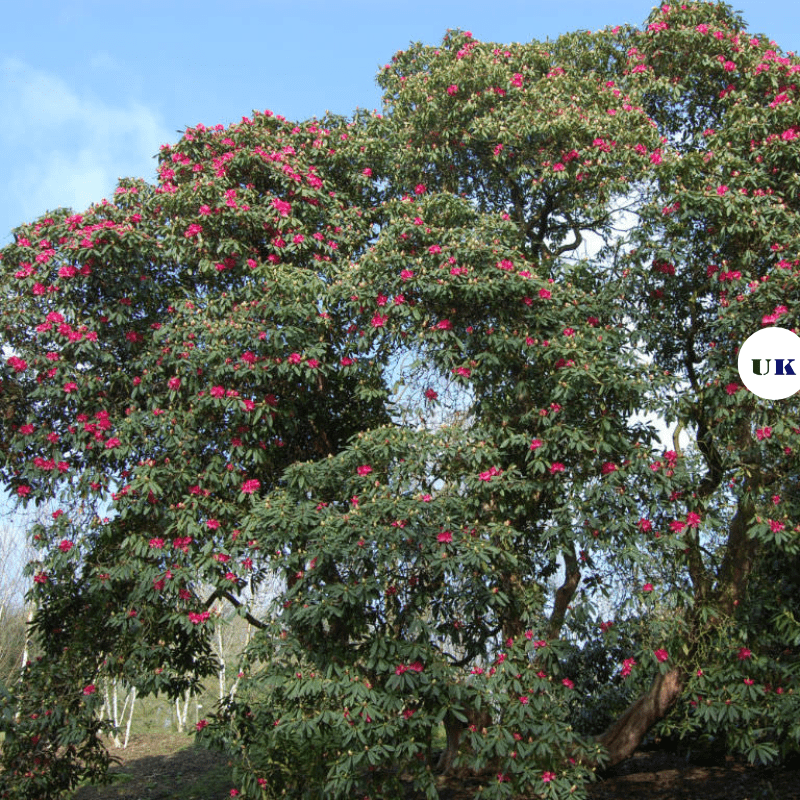
In the days that followed, a Buransh tree sprouted in their courtyard, adorned with vibrant red flowers. These blossoms seemed to reflect the daughter’s enduring love and the depth of her spirit. She began visiting the Buransh tree every festival, finding comfort in its presence.
The Buransh tree became a symbol for the villagers, too. Each year, as the flowers bloomed, it reminded them of the daughter’s return to her family, even though her physical presence had been absent for so long. The flowers represented a new beginning and hope, showing that love and devotion are never in vain.
Over time, the tree became a sacred site for the villagers. They cherished the Buransh blossoms, remembering their ancestors and passing down the story of the daughter and her enduring bond with her family. Thus, the Buransh tree grew into more than just a plant—it became an emotional legacy, a living testament to love, struggle, and familial relationships, continuing to tell its story through its blossoms.
This story teaches the enduring bond between family members and the deep connection to one’s roots. It highlights the pain of separation and the profound impact of familial love and loss. The Buransh tree symbolizes the enduring relationship with one’s homeland and the joy of return, reflecting how memories and connections persist despite physical absence.