The Beatles Ashram
Discover the Beatles Ashram in Rishikesh, a spiritual retreat where The Beatles found inspiration for their music and meditation. Explore its rich history, connection to Transcendental Meditation, and lasting legacy as a must-visit cultural landmark.
Nestled in the foothills of the majestic Himalayas, near the holy city of Rishikesh in Uttarakhand, lies a place that has left an indelible mark on both spiritual seekers and music lovers alike. Known as the Beatles Ashram or Chaurasi Kutia (84 Huts), this serene retreat was once the setting for the world-famous English rock band, The Beatles, and their exploration of Transcendental Meditation (TM) in 1968. Today, the ashram stands as a unique fusion of spirituality, history, and music, drawing visitors from all over the world.
A Peaceful Escape for Meditation
The Beatles Ashram was originally established in the 1960s by Maharishi Mahesh Yogi, a spiritual guru who introduced Transcendental Meditation to the West. In 1961, Maharishi leased the land from the state forestry department of Uttar Pradesh, creating a peaceful sanctuary for meditation on a 150-foot-high cliff overlooking the Ganges River. Built with a $100,000 gift from American heiress Doris Duke, the ashram was designed to accommodate Western devotees seeking spiritual growth in the tranquil environment of Rishikesh, known as the “Yoga Capital of the World.”
With its lush surroundings, thick jungle, and serene atmosphere, the ashram became a center for those seeking to meditate, including celebrities like Mia Farrow, Donovan, and Mike Love. However, it was the visit of The Beatles that brought the ashram global fame.
The Beatles’ Historic Visit
In February 1968, The Beatles traveled to Rishikesh, following an invitation from Maharishi Mahesh Yogi to study Transcendental Meditation. The band, including George Harrison, John Lennon, Paul McCartney, and Ringo Starr, arrived at the ashram with their wives and entourage. Their arrival in India was surrounded by media frenzy, with photographers and journalists eager to capture every moment of the band’s spiritual journey.
For The Beatles, the stay at the ashram marked a turning point in their musical careers. Surrounded by nature, the band found a deep sense of peace and creativity that fueled their songwriting. It was during this retreat that many of the songs for their iconic double album The White Album were written. The simplicity of the surroundings, combined with the influence of Indian spirituality, gave birth to songs that were deeply reflective and introspective.
The band members embraced the Indian way of life, adopting local dress and immersing themselves in meditation and music. George Harrison, in particular, was influenced by Indian culture, learning to play the sitar and incorporating Indian instruments into the band’s music. Their time at the ashram also sparked an interest in Indian philosophy and spirituality, with Harrison and Lennon especially dedicating themselves to the practice of meditation.
A Time of Controversy and Departure
Despite the initial peace and creativity, The Beatles’ stay at the ashram ended on a sour note. Amid rumors of the Maharishi’s alleged impropriety, George Harrison and John Lennon left the ashram in April 1968, disillusioned by what they perceived as the guru’s exploitation of their fame. Though they later reconciled with the Maharishi, the experience left a lasting impact on the band’s relationship with spirituality.
Nevertheless, their time in Rishikesh cemented the ashram’s place in history as a significant spiritual and cultural landmark. The Beatles’ association with the retreat contributed to the global spread of Transcendental Meditation and the popularization of Eastern spirituality in the West.
Decline and Revival
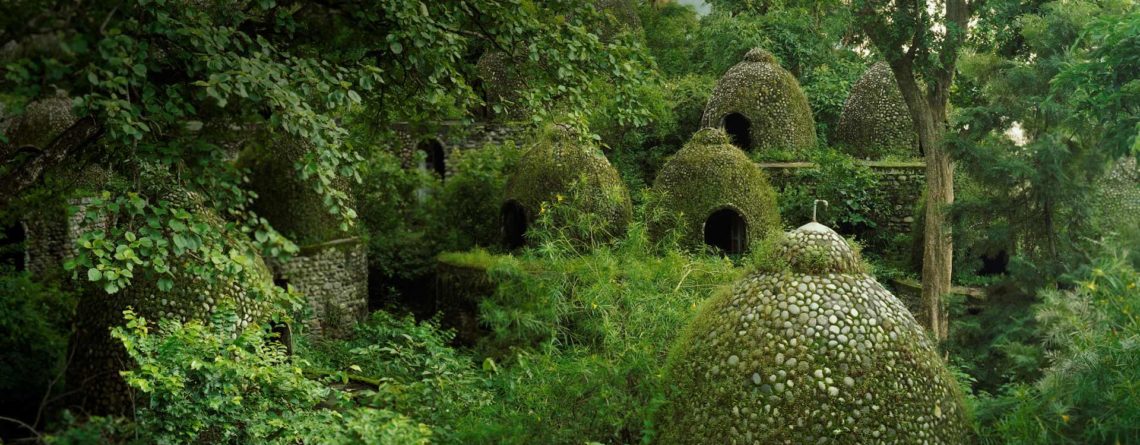
After The Beatles’ departure, the ashram continued to function as a meditation center but slowly fell into disrepair in the following decades. By the mid-1990s, the site was abandoned and reclaimed by the Indian government, eventually becoming part of the Rajaji Tiger Reserve. The ashram, overrun by jungle, began to deteriorate as the years passed.
In the early 2000s, the ashram gained attention again when it was opened to visitors as a historical site. In December 2015, the Beatles Ashram was officially opened to the public. Now a popular destination for Beatles fans and spiritual seekers alike, it offers a glimpse into the past while preserving the legacy of the band’s journey into meditation.
A Unique Fusion of History, Nature, and Music
Today, Beatles Ashram stands as a symbol of the intersection between Western music and Eastern spirituality. Visitors can explore the ruins of the ashram, stroll along nature trails, and even participate in guided meditation sessions. The former meditation halls, bungalows, and lecture rooms have become part of a unique museum experience, where fans can view rare photographs, murals, and graffiti left by pilgrims and visitors who have paid homage to the place over the years.
In addition to its historical significance, the ashram offers an opportunity to reconnect with nature. Surrounded by dense forests and offering breathtaking views of the Ganges River, the site is perfect for those looking to escape the noise and chaos of modern life.
The Beatles Ashram is a place where spirituality and music converge, creating a lasting legacy that continues to inspire and attract people from all walks of life. Whether you’re a Beatles fan, a meditation enthusiast, or simply a traveler seeking peace and tranquility, the ashram remains a must-visit destination in the heart of the Himalayas.
The Beatles Ashram is more than just a tourist destination. It is a spiritual landmark that bridges the gap between cultures and generations. From its humble beginnings as a meditation center to its rise to international fame thanks to The Beatles, the ashram has become a symbol of the transformative power of music and meditation. Today, it continues to attract visitors from around the world, offering a unique experience that honors both the legacy of The Beatles and the timeless wisdom of Eastern spirituality.