Rishikesh
Rishikesh, located in the northern Indian state of Uttarakhand, is a vibrant spiritual and adventure hub, drawing visitors from around the globe. Situated on the banks of the Ganges River, it is not only a significant religious destination but also known for its breathtaking natural beauty and exciting outdoor activities. The city, which is part of both the Dehradun and Tehri Garhwal districts, holds the title of “Yoga Capital of the World” and “Gateway to the Garhwal Himalayas.” It is a place where spirituality, adventure, and culture converge, making it one of the most popular tourist destinations in India.
Spiritual Significance
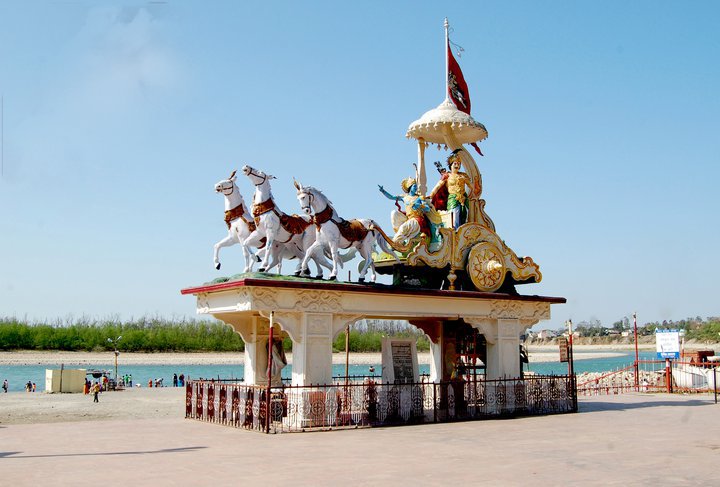
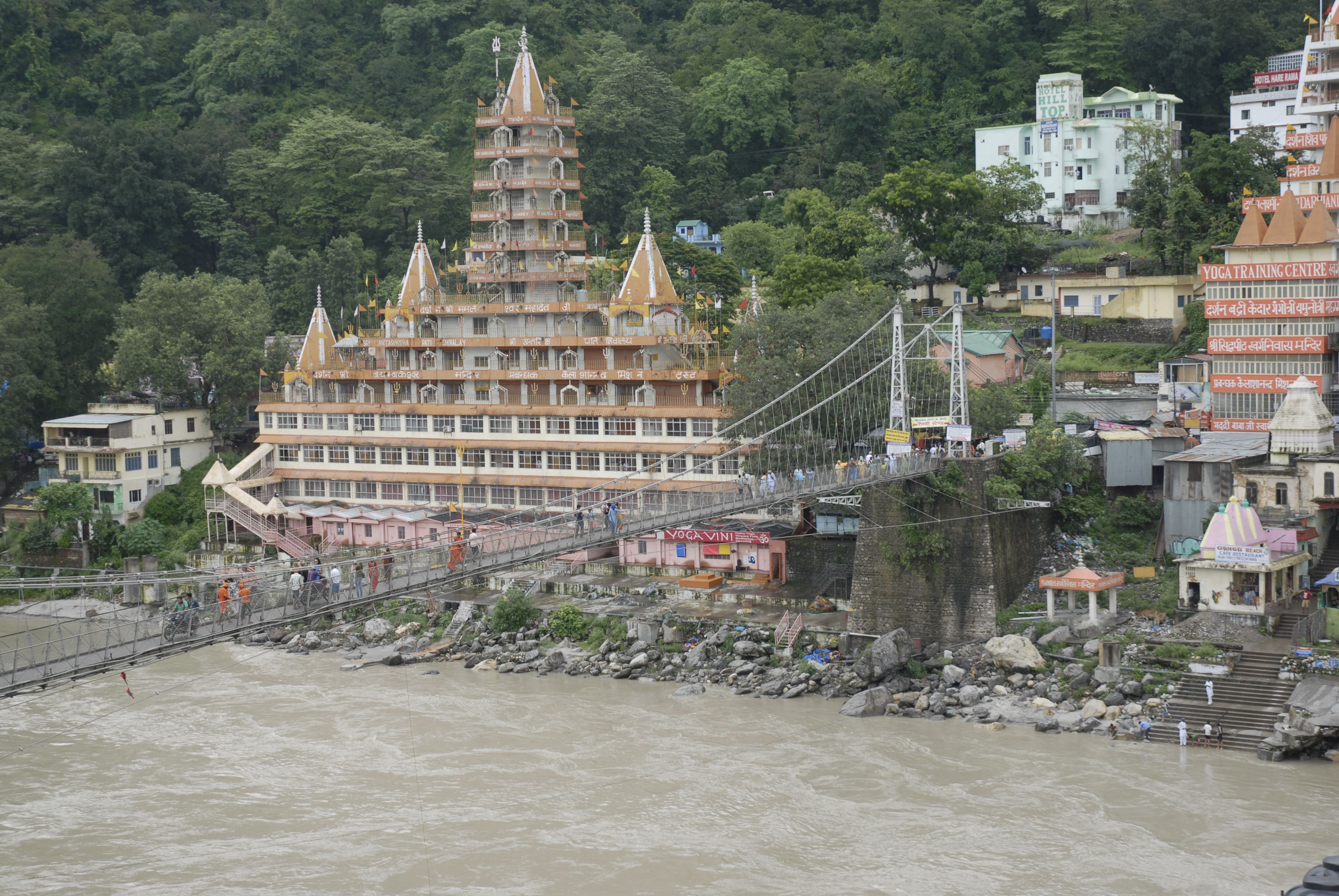
Rishikesh has long been considered a sacred city. According to Hindu mythology, it is the place where Lord Vishnu appeared to the sage Raibhya Rishi and became known as “Hrishikesha,” meaning “Lord of the Senses.” The city is home to a large number of ancient temples and ashrams, some of which have been established for centuries. Among the most famous are the Trimbakeshwar Temple, Bharat Mandir, and Lakshman Mandir, all of which are significant places of worship. These temples draw pilgrims seeking spiritual solace, and many people also visit the city to perform meditation and yoga to attain inner peace.
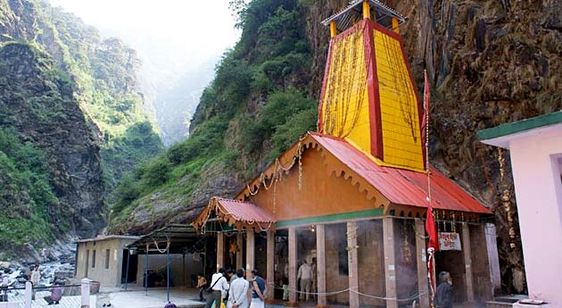
Rishikesh is also an important stop for those embarking on the Char Dham Yatra (the pilgrimage to Badrinath, Kedarnath, Gangotri, and Yamunotri). It is known as the gateway to these sacred destinations.
Yoga and Meditation
Rishikesh’s reputation as the Yoga Capital of the World is well-earned. The city has been a hub for yogic practices for decades, with many renowned yoga schools and centers offering various forms of yoga and meditation. Every year, the International Yoga Festival is held in March, attracting yoga enthusiasts from around the world. The city’s peaceful surroundings and proximity to the river make it an ideal location for learning and practicing yoga.
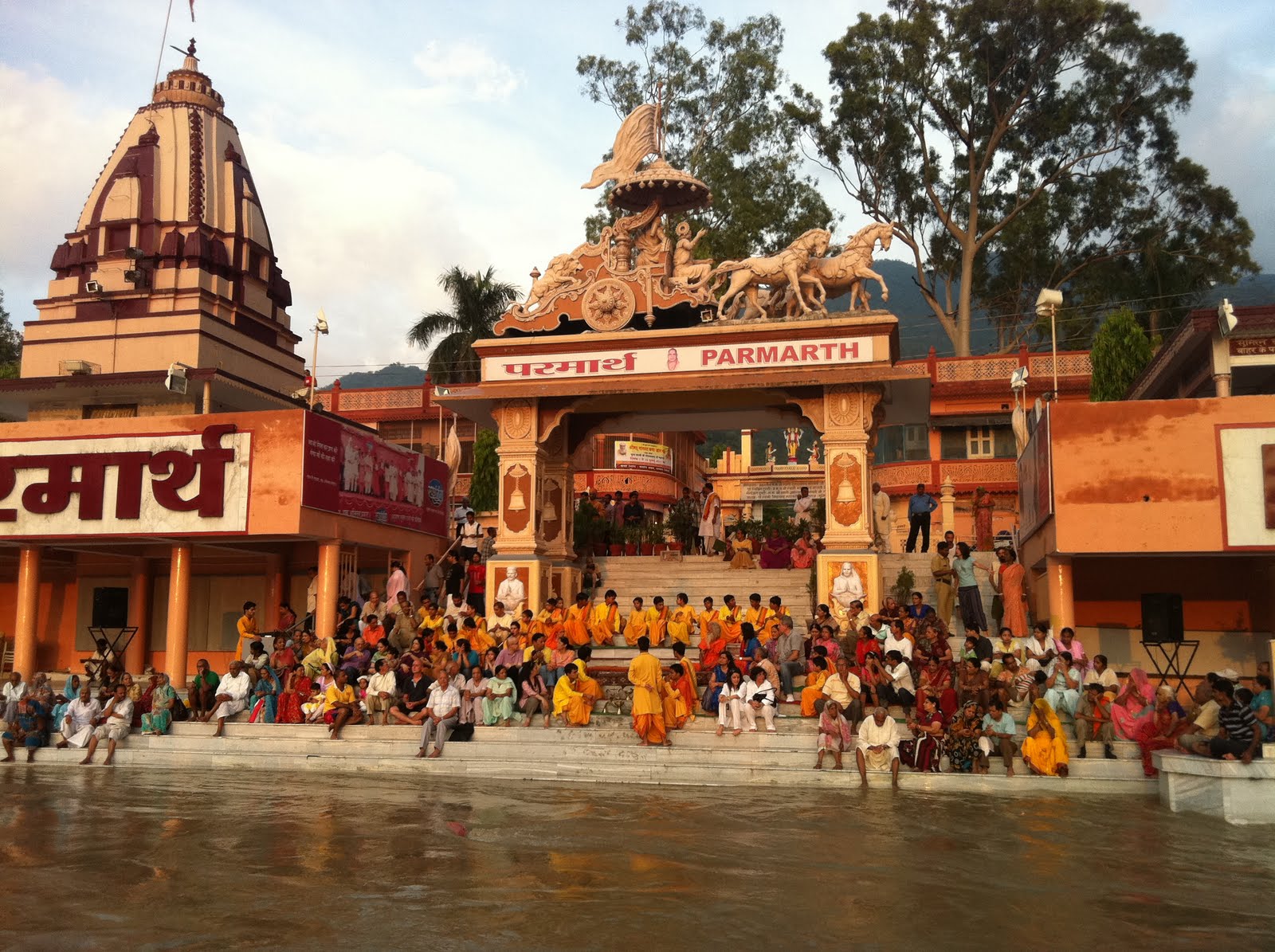
Many visitors come to Rishikesh to deepen their spiritual journey and engage in long-term retreats focused on yoga, meditation, and spiritual healing. Some of the most famous ashrams in the city, such as Parmarth Niketan and Sivananda Ashram, provide an immersive experience, helping individuals connect to their spiritual self.
Adventure Tourism
While Rishikesh is famous for its spiritual atmosphere, it is also a popular destination for adventure enthusiasts. The city is known for its thrilling activities, including white-water rafting, trekking, camping, and mountain biking. The rapids of the Ganges attract rafters from all over the world, while the surrounding hills and forests offer some of the most scenic trekking routes in India.
Rishikesh is the starting point for treks to Kedarkantha, Dayara Bugyal, Har Ki Dun, and other beautiful spots in the Garhwal Himalayas. These treks offer a unique blend of adventure and natural beauty, with awe-inspiring views of snow-capped mountains, pristine lakes, and lush forests.
Cultural Heritage
The cultural significance of Rishikesh is deeply rooted in Hindu tradition. It is famous for its evening Aarti at Triveni Ghat, where devotees gather to witness a mesmerizing ceremony of offerings to the Ganges. The atmosphere is filled with the sound of bells and the chanting of mantras, creating a deeply spiritual experience for all who attend.
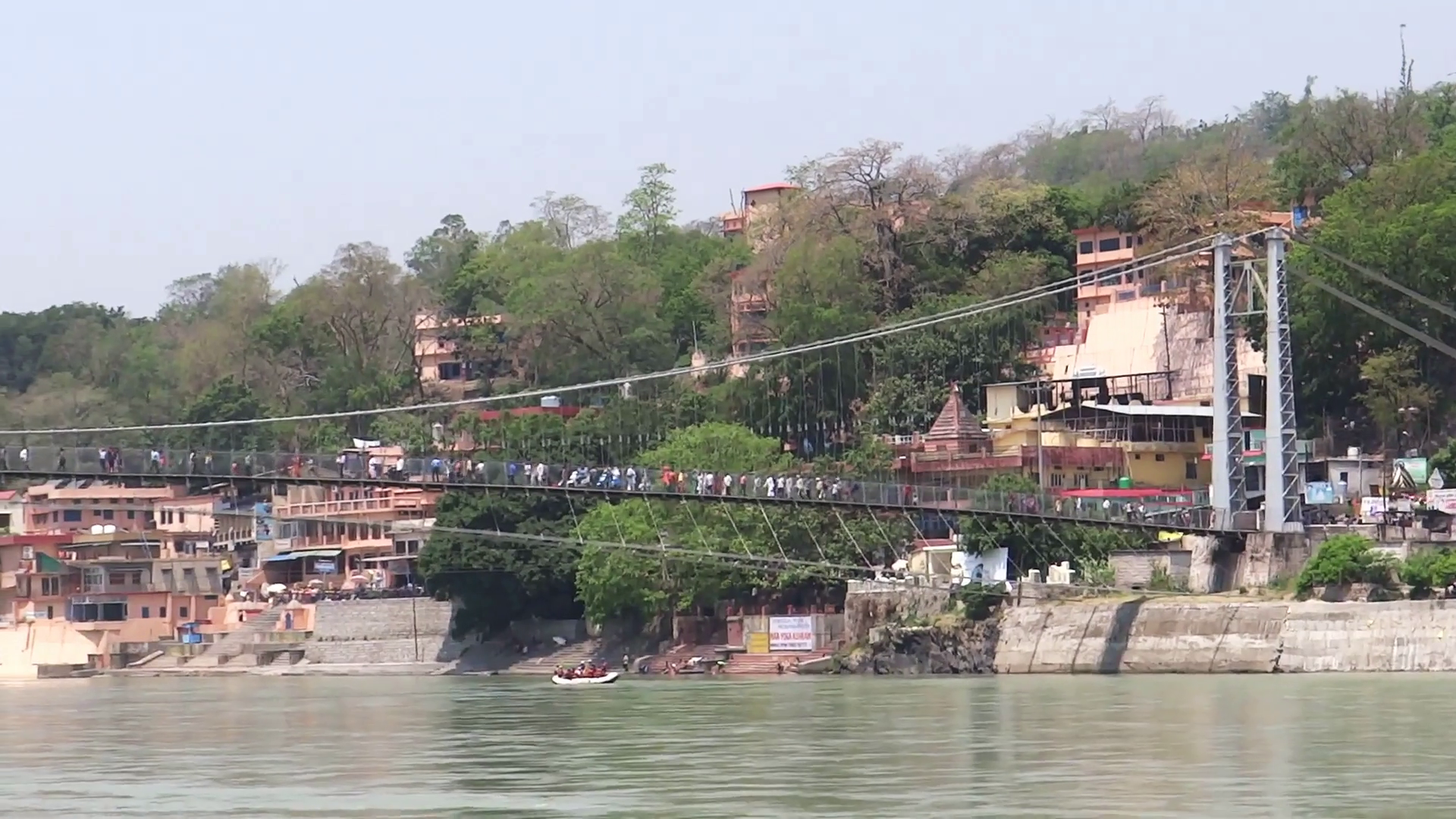
Additionally, Rishikesh is home to famous suspension bridges, such as Lakshman Jhula and Ram Jhula, which have historical and religious importance. Lakshman Jhula is particularly significant, as it is believed that Lord Lakshman crossed the Ganges at this point using a jute rope, marking the site with deep mythological significance.
Geography and Climate
Rishikesh is located at an elevation of 340 meters (1,120 feet) above sea level, nestled between the lush green hills and the flowing Ganges River. The town enjoys a humid subtropical climate. Summers can be quite hot, with temperatures reaching up to 40°C, while winters are mild and pleasant, with temperatures dropping to around 7°C.
The Ganges, which flows through the city, is one of the most sacred rivers in Hinduism. The water in Rishikesh is relatively clean compared to other parts of the river, as pollution levels decrease before it reaches Rishikesh. Visitors are often drawn to the river for spiritual bathing or to simply enjoy its tranquil beauty.
Demographics and Language
According to the 2011 census, Rishikesh has a population of 70,499 in the city area, with the larger urban agglomeration reaching 102,138. The majority of the population speaks Hindi, with Garhwali being the local dialect. The city has a high literacy rate of 86.86%, with a notable difference in male (92.21%) and female (80.78%) literacy rates.
Rishikesh offers a rare and beautiful combination of spirituality, adventure, and natural beauty. Whether you’re seeking peace and meditation, yearning for adventure, or exploring the religious history of the region, Rishikesh has something for everyone. Its spiritual ambiance, combined with its outdoor opportunities, makes it a unique destination that attracts people from all walks of life. Whether you visit to seek inner peace or simply to experience the charm of the Ganges River, Rishikesh remains a must-visit place for anyone exploring Uttarakhand.
Frequently Asked Questions (FAQs) about Rishikesh
Why is Rishikesh called the Yoga Capital of the World?
Rishikesh is known as the “Yoga Capital of the World” because it has been a center for yoga and meditation for centuries. It hosts several renowned yoga schools and ashrams that attract visitors from around the world to learn and practice various forms of yoga, meditation, and spiritual healing. The peaceful environment and the proximity to the holy Ganges River create an ideal atmosphere for these practices.
What is the best time to visit Rishikesh?
The best time to visit Rishikesh is between September and March. The weather during these months is pleasant, making it ideal for outdoor activities, spiritual retreats, and exploring the town. Summers (April to June) can get quite hot, with temperatures soaring above 40°C, while winters (November to February) are cooler, with temperatures dropping to around 7°C.
What are the major attractions in Rishikesh?
Some of the top attractions in Rishikesh include:
- Triveni Ghat: Famous for the evening Ganga Aarti.
- Lakshman Jhula & Ram Jhula: Iconic suspension bridges with religious significance.
- Parmarth Niketan: A popular ashram for yoga and meditation.
- Neelkanth Mahadev Temple: A revered temple dedicated to Lord Shiva.
- Rajaji National Park: A wildlife sanctuary located near Rishikesh.
- Bharat Mandir: An ancient temple dedicated to Lord Vishnu.
What activities can I do in Rishikesh?
Rishikesh is known for a range of activities that blend spirituality and adventure:
- Yoga & Meditation: Participate in yoga classes, workshops, and spiritual retreats at one of the many ashrams.
- White-water Rafting: Experience the thrill of rafting on the Ganges with varying levels of rapids.
- Trekking: Explore nearby treks like Kedarkantha and Har Ki Dun.
- Camping: Camp along the riverbanks for a peaceful and adventurous experience.
- Shopping: Browse local markets for handicrafts, souvenirs, and spiritual items.
- Ganga Aarti: Witness the evening Ganga Aarti at Triveni Ghat, a must-see spiritual experience.
How is the food in Rishikesh?
Rishikesh offers a variety of food options, including:
- Vegetarian cuisine: Rishikesh is a vegetarian city due to its spiritual significance. You’ll find a range of healthy, organic meals.
- Ayurvedic food: Many restaurants cater to health-conscious individuals with ayurvedic meals that are designed to nourish both the body and mind.
- Street food: Local street food such as chaat, fresh fruit juices, and various snacks are also available.
Is Rishikesh safe for tourists?
Yes, Rishikesh is considered safe for tourists, especially for those interested in spirituality, yoga, and adventure activities. However, as with any tourist destination, it is always advisable to stay cautious, particularly while engaging in adventure sports, and to follow safety instructions provided by local authorities or operators.
What is the nearest airport to Rishikesh?
The nearest airport to Rishikesh is Jolly Grant Airport (Dehradun), located about 20 kilometers away from the city. It offers domestic flights, with connections to major Indian cities like Delhi and Mumbai. From the airport, you can take a taxi or bus to reach Rishikesh.
Can I go for white-water rafting in Rishikesh?
Yes, Rishikesh is one of the most famous destinations for white-water rafting in India. The Ganges River near Rishikesh offers various rapids, making it ideal for both beginners and experienced rafters. Popular stretches for rafting include Shivpuri to Rishikesh and Kaudiyala to Rishikesh.
What are some famous ashrams in Rishikesh?
Rishikesh is home to several famous ashrams, including:
- Parmarth Niketan: One of the largest and most famous ashrams, known for its yoga, meditation, and spiritual programs.
- Sivananda Ashram: A globally recognized yoga center for training and learning yoga and meditation.
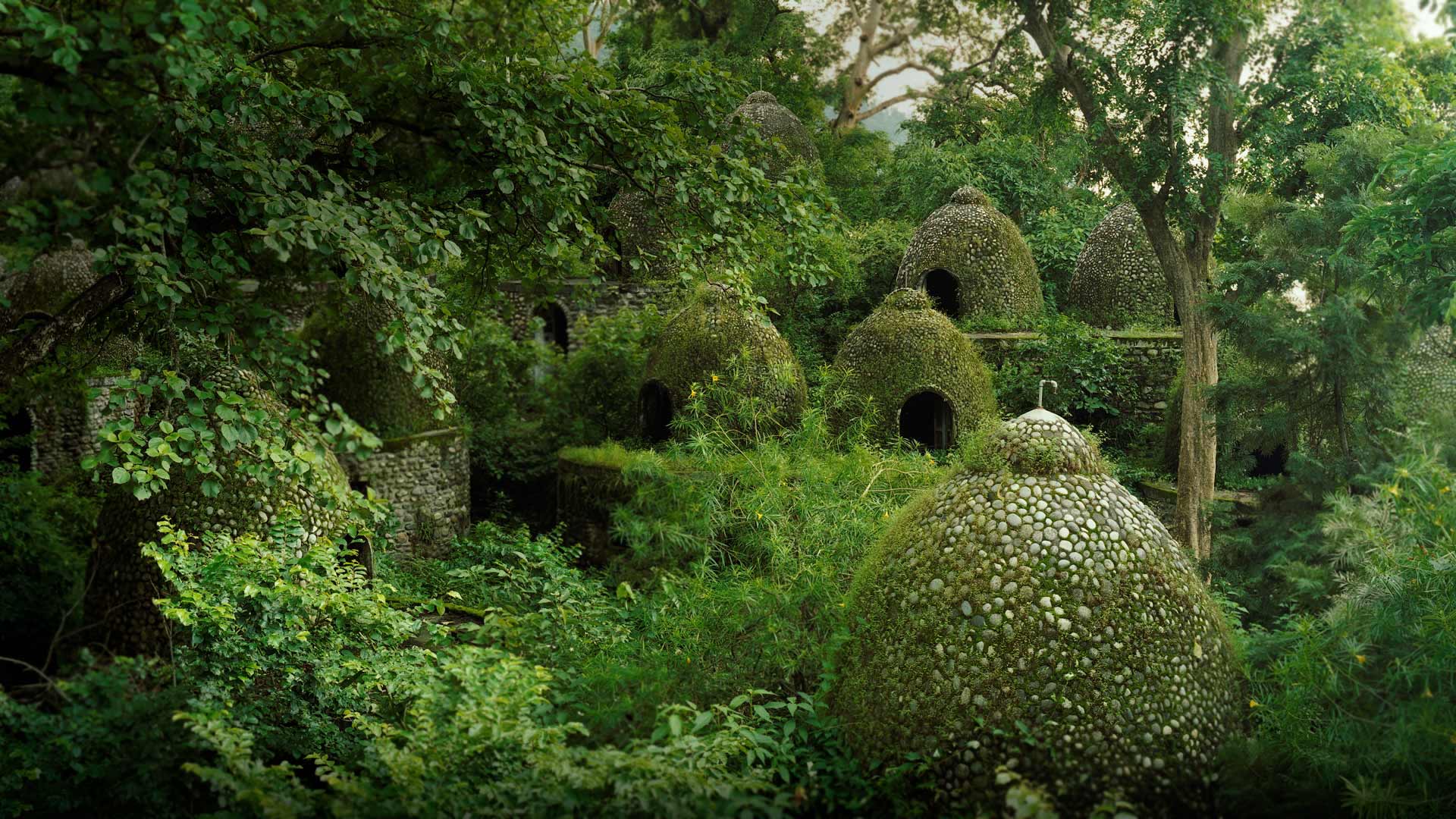
- The Beatles Ashram: Famous for its connection to the Beatles, who visited in the 1960s.
- Swami Dayanand Ashram: A peaceful retreat for those seeking spiritual growth.
Is Rishikesh a good place for solo travelers?
Yes, Rishikesh is a great destination for solo travelers. The city offers a peaceful and welcoming environment, ideal for those seeking inner peace or embarking on a spiritual journey. It also provides opportunities for adventure activities, making it appealing to both introspective travelers and thrill-seekers. There are plenty of cafes, ashrams, and hostels catering to solo travelers.