Raji Tribe
Raji tribe is a small indigenous community from the Kumaon region of Uttarakhand, India, and parts of Nepal. Traditionally forest dwellers and cave dwellers, they speak the Tibeto-Burman language Bat-Kha. Despite facing socio-economic challenges, the Raji people maintain their unique cultural heritage, engaging in farming, livestock rearing, and trade while adapting to modern life.
The Raji people are an indigenous community found in the Uttarakhand region of India and parts of western Nepal. Historically, they have been known by several names, including Banrawats, Ben-Manus, and cave dwellers, which reflect their deep connection to nature and the forests they have traditionally lived in. The term “Banrawat” refers to their close association with the forest, while “Ben-Manus” translates to “forest people.” These names highlight their reliance on the natural environment for survival and their distinctive way of life.
Social Status and Work
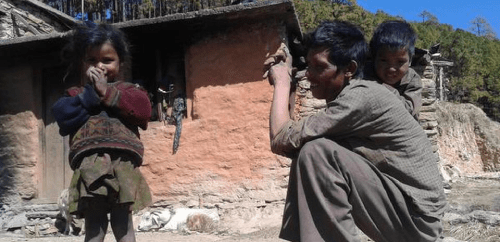
The Raji people are classified as Schedule tribe according to Indian government They call themselves Khasa and Bot Tho. Others also call them Forest Raji (Ban Raji) and Forest Rawat (Ban Rawat). They traditionally hunt for a living, especially porcupine and bats, and dig wild yams and other forest foods Some families have a trade agreement with local traders (Bhotiya) to sell their handmade wooden bowls, while others have branched out into carpentry, selling other woodenwares such as plowshares and house building planks.
Traditionally, the Raji people led a nomadic lifestyle, primarily hunting, gathering, and foraging from the forests. Their diet included wild yams, porcupines, bats, and other forest foods. Over time, they also developed trades, such as crafting wooden bowls and tools, which they exchanged with Bhotia traders and others in the region.
Raji women play an important role in their community, with many contributing as rock crushers for construction projects. Over the years, numerous Raji households were resettled by the Government of India, and today, many engage in subsistence farming, cultivating small garden plots and raising a few cattle. The Van-Raji community is primarily settled in the Kumaon Himalayas, with Pithoragarh district in Uttarakhand being their main hub. While a few members live in Western Nepal, the Raji are traditionally known as cave dwellers, having lived for generations in the natural caves that dotted the region, offering both shelter and protection.
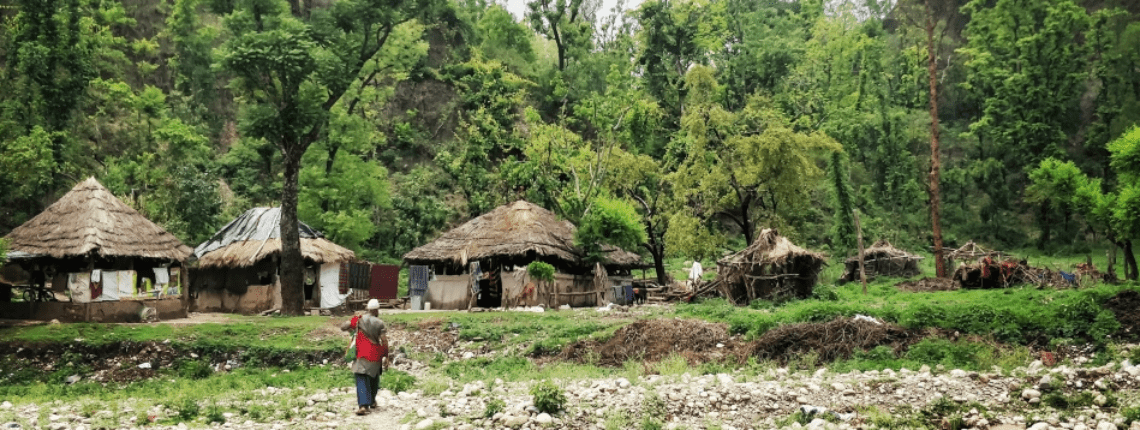
In Pithoragarh’s Askot Wildlife Sanctuary, Raji villages such as Kimkhola and Bhagtirwa continue to reflect the community’s enduring connection to nature and its ancestral way of life. These villages stand as a testament to the Raji people’s rich heritage, where old traditions and customs continue to flourish amidst the evolving world around them.
While many families now supplement their livelihoods through subsistence farming due to resettlement initiatives, traditional activities, such as rock crushing and crafting wooden wares, remain a vital part of their daily lives. Despite these changes, the Raji community is celebrated for its resilience and strength, adapting to modern challenges while proudly maintaining their unique cultural identity.
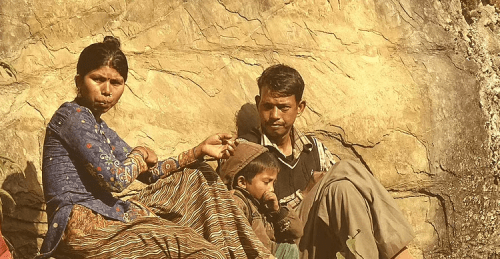
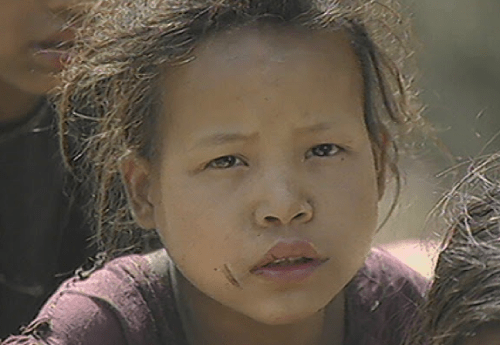
The Raji tribe is one of the smallest and most underprivileged communities in the Central Himalayan region of India. Often classified as an educationally and economically backward tribe, the Raji face numerous challenges, including deprivation and exploitation due to their lack of awareness and access to necessary development resources. These difficulties stem from their isolation, as well as limited awareness about the ongoing changes in their environment and society. Understanding the tribe’s demographic and cultural life, settlement patterns, traditional practices, economic activities, and their relationship with the environment is crucial to addressing their needs and promoting sustainable development.
Language and Culture
The Raji speak a Tibeto-Burman language, known as Bat-Kha in the Pithoragarh region and Bot-Kha in the Champawat region of Uttarakhand. This language belongs to the Raji-Raute subgroup, which also includes the Raute language spoken in Nepal. Linguistically classified as part of the broader Sino-Tibetan language family, the Raji language reflects the tribe’s deep historical and cultural connections to other Himalayan communities. Despite the pressures of modernization, the Raji continue to cherish and preserve their language, cultural practices, and traditions. Their history as “cave dwellers” and forest people remains an essential part of their identity, highlighting their profound connection to the land and nature.
Challenges and Modern-Day Life
While government resettlement programs have led to significant changes in the Raji’s lifestyle, many of them still face considerable challenges. Living in remote areas, access to basic amenities like education, healthcare, and infrastructure remains scarce. These challenges, combined with their disadvantaged social status, have resulted in slow progress in improving their living conditions.
However, the Raji tribe has demonstrated remarkable resilience. Many families continue to engage in agriculture, livestock rearing, and small-scale trade to sustain their livelihoods. Despite the challenges, their cultural practices, language, and traditional knowledge continue to play a vital role in shaping their lives. The Raji’s ability to adapt to the demands of modern society while preserving their heritage underscores their enduring strength and connection to their ancestral roots.
Efforts for Improvement
To address the challenges faced by the Raji, it is essential to focus on improving access to education, healthcare, and infrastructure in their communities. Government programs aimed at enhancing their livelihoods, preserving their cultural heritage, and providing sustainable development options are key to their future. Moreover, fostering awareness and consciousness about their rights, environmental sustainability, and traditional resource management practices could help the Raji tribe thrive in a rapidly changing world.
In conclusion, the Raji tribe remains a unique and resilient community within the Central Himalayan region. Despite facing numerous challenges, their deep cultural connection to the land, language, and traditions remains a source of strength. With the right support, there is hope for a better future that respects and preserves their heritage while promoting modern development.