Pichora
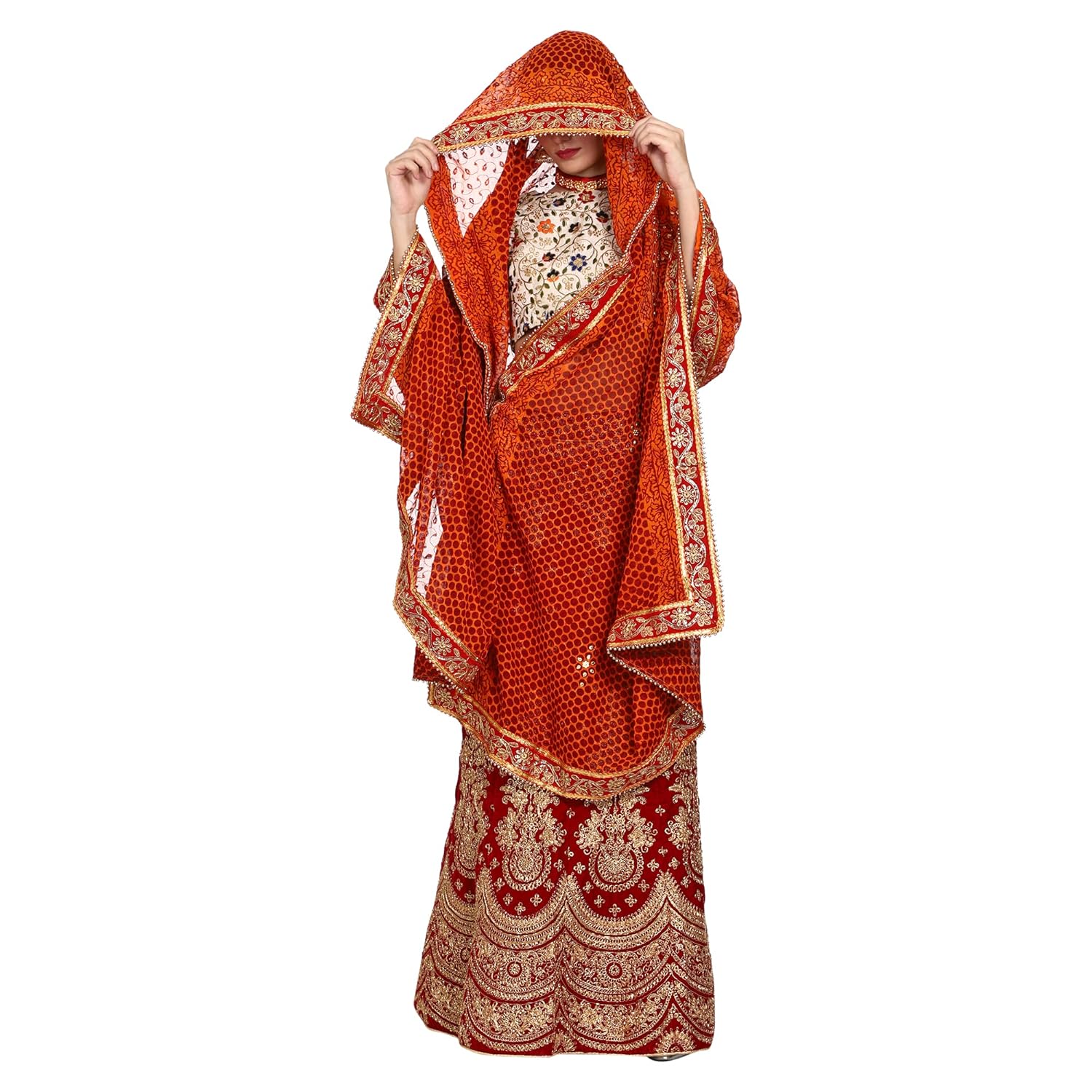
Pichora, also known as Pichoda, is a traditional shawl worn by married women in Uttarakhand, especially in Kumaon. Featuring sacred symbols like the swastika, sun, and conch shells, it represents prosperity, faith, and marital bliss. Traditionally hand-painted, Pichora blends heritage with modernity, preserving cultural identity across generations.
Uttarakhand is a cradle of indigenous tribes, cultural diversity, and various traditions that together define its strength. It is popular among visitors for its pilgrimage sites and rich biodiversity. However, one of the most cherished symbols of its culture is Pichoda (also known as Pichora or Rangwali Pichoda), a traditional odhani (shawl) that adds to the state’s rich heritage.
Pichora and Pichoda are the same, with the terms used interchangeably in different regions of Uttarakhand. This traditional attire holds deep cultural and religious significance, symbolizing purity, prosperity, and marital bliss.
Pichora is worn by married women of Uttarakhand, particularly in the Kumaon region, representing their deep connection with nature. It is traditionally made from lightweight cotton fabric and is hand-painted by women while singing shagun-aakhar songs that invoke gods and goddesses for prosperity and happiness. More than just a piece of cloth, Pichora represents a cultural identity passed down through generations, reflecting the simplicity, determination, and unity of Pahadi women.
Origin and Use
While there is no exact documentation of its origin, historical evidence suggests that Rajput queens in medieval times wore Pichora as part of their courtly attire. Rural women traditionally dyed cotton fabric using turmeric and vermillion to create Pichoras.
During the British rule in the 19th century, British textile traders introduced organdy fabric, which eventually replaced hand-spun cotton for making Pichoras. With industrialization, the hand-painted designs were replaced by block printing and screen painting, making Pichoras more accessible but reducing the personal touch and artistic essence of the traditional hand-painted versions.
Pichora is typically gifted by the bride’s family as a blessing for good fortune and a blissful married life. It holds deep religious significance, as no major rituals or ceremonies are considered complete until women don the Rangwali Pichora.
Tradition and Womanhood
The Rangwali Pichora is adorned with symbols like the swastika, bells, conch shells, and the sun, each carrying a profound meaning:
- The swastika, painted at the center, represents good fortune and prosperity.
- The sun symbolizes energy, warmth, and divine blessings.
- The red dots against the yellow background resemble cherry blossoms in spring, adding to the aesthetic charm.
- The bells signify faith and devotion.
- The conch shells reflect the region’s biodiversity and the resilience of Kumaoni women.
During religious events, ceremonies, and festivals, married women proudly wear Pichora, which embodies heritage, femininity, wisdom, and divine power. Women in Uttarakhand are guardians of tradition, and their collective strength and sisterhood perfectly complement their motherland’s cultural richness.

Pichora in the Modern World
Although modernization and machine production have replaced the hand-painted tradition, the faith, emotions, and unity associated with Pichora remain unchanged. Today, Pichora is widely promoted through songs, social media, and advertisements, keeping its cultural significance alive.
With its growing popularity, Pichora is now available in stores across Uttarakhand and other metropolitan cities like Delhi and Mumbai, and even abroad. However, traditional hand-painted Pichoras are still crafted in places like Almora, Ranikhet, and Dwarahat. In modern times, both married and unmarried women wear Pichora, blending it with contemporary fashion while staying rooted in their traditions. It serves as a symbol of Kumaoni identity, preserving the cultural, historical, and religious essence of the region.
Pichora continues to be a perfect blend of heritage and modernity, with its unique designs, vibrant colors, and intricate artistry mesmerizing people and drawing tourists’ attention.
FAQs
What is a Pichora?
Pichora, also known as Rangwali Pichora, is a traditional oodni (shawl or dupatta) worn by the married women of Kumaon, Uttarakhand. It is an important part of Kumaoni culture and identity, symbolizing marital bliss, good fortune, and the deep connection between women and nature. The fabric is typically yellow with red motifs, featuring auspicious symbols such as the swastika, sun, conch shells, and bells. Over generations, it has evolved into a cultural emblem of strength, spirituality, and tradition.
What is the significance of Pichora?
Pichora is much more than just a piece of cloth; it holds religious, cultural, and emotional significance for Kumaoni women. It is considered a sacred garment, worn on auspicious occasions, festivals, and religious ceremonies. The motifs on a Pichora, such as the swastika for good luck, the sun for energy and life, bells for devotion, and conch shells for purity and strength, carry deep meanings. It is also a symbol of sisterhood, as women pass down the tradition to younger generations, keeping the cultural roots alive.
What fabric is used to make Pichora?
In the past, Pichora was crafted from hand-spun cotton fabric, dyed using natural colors such as turmeric (for yellow) and vermillion (for red dots and patterns). With the arrival of British textile traders in the 19th century, organdy fabric, a lightweight and translucent material, became the preferred choice for making Pichoras. Today, modern versions of Pichora may use synthetic fabrics, but traditional artisans still favor cotton and organdy for their authenticity and comfort.
How is Pichora made?
Traditionally, women in Kumaoni households would hand-paint Pichora while singing “shagun-aakhar”, special songs invoking divine blessings for happiness and prosperity. The process included drawing auspicious motifs, ensuring that the design carried the essence of tradition. With time, block printing and screen printing replaced hand-painting, making mass production possible. However, places like Almora, Ranikhet, and Dwarahat still preserve the tradition of hand-painted Pichoras, keeping the craft alive.
When do women wear Pichora?
Pichora is worn during weddings, religious ceremonies, and festivals such as Navratri, Karva Chauth, and Makar Sankranti. It is an essential part of wedding rituals, gifted by the bride’s family to bless their daughter with prosperity in her marital life. In traditional households, no religious event is considered complete unless women wear Pichora, as it represents divinity, blessings, and cultural pride.
Can unmarried women wear Pichora?
Earlier, Pichora was strictly reserved for married women, signifying their status and connection to their husband’s family. However, with changing times, unmarried women have also started wearing Pichora to honor their heritage and cultural identity. Today, it is not uncommon to see young girls and women of all ages incorporating Pichora into modern attire, making it a blend of tradition and contemporary fashion.
Where can I buy Pichora?
Pichora is available in local markets across Uttarakhand, particularly in cities such as Almora, Nainital, Ranikhet, and Haldwani. Due to its growing popularity, it can also be found in major metropolitan cities like Delhi and Mumbai, where Uttarakhandi communities have settled. Additionally, online platforms and social media stores now offer hand-crafted and machine-printed Pichoras, making it accessible to people living across India and even overseas.
Has Pichora changed over time?
The essence of Pichora remains deeply rooted in tradition, but its making and usage have evolved. While traditional hand-painted Pichoras were labor-intensive and unique, modern methods such as block printing and screen printing have made them more widely available. The colors and motifs have remained the same, but new designs have emerged, blending heritage with modern fashion. Today, Pichora is worn with traditional sarees, salwar suits, lehengas, and even modern dresses, proving its adaptability across generations.
What makes Pichora unique?
Pichora’s bright yellow color, red dot patterns, and religious motifs make it instantly recognizable. The hand-painted or printed designs, the connection to marital prosperity, and the deep cultural symbolism set it apart from other traditional garments. Beyond its aesthetic appeal, it is a marker of Kumaoni women’s strength, devotion, and unwavering faith in their heritage. Whether worn during a wedding, festival, or casual gathering, Pichora remains a symbol of pride, unity, and timeless tradition.
Pichora, also known as Pichoda, is not just a traditional garment but a symbol of Uttarakhand’s rich cultural heritage and the deep-rooted connection between its people and nature. Worn primarily by married Kumaoni women, it signifies prosperity, devotion, and marital bliss. Traditionally hand-painted with auspicious motifs like the swastika, conch shells, bells, and the sun, Pichora represents faith, strength, and the vibrant traditions of the region. Despite modernization and the shift to machine-printed designs, the emotional and cultural significance of Pichora remains unchanged. It continues to be an essential part of weddings, religious ceremonies, and festivals, keeping the tradition alive across generations. With its growing popularity, Pichora has extended beyond Uttarakhand, finding admirers across India and even overseas. Its blend of tradition and contemporary style ensures that this cultural treasure remains relevant, connecting Kumaoni women with their roots while adapting to modern fashion trends.