Kumaoni Kul Devata
Guardians of Tradition and Family
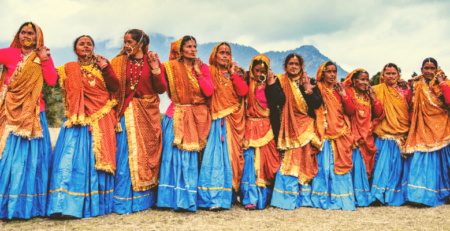
In the enchanting hills of Kumaon, the concept of Kul Devata holds a central place in the lives of the people. Kul Devata, or the family deity, is more than just a spiritual figure; it is a symbol of protection, legacy, and blessings. This sacred bond between a family and its Kul Devata is an ancient tradition, deeply ingrained in the cultural fabric of Kumaon, a region nestled in the Uttarakhand Himalayas.
What is a Kul Devata?
The term Kul Devata is derived from the Sanskrit words “Kul,” meaning family or clan, and “Devata,” meaning deity. Thus, a Kul Devata refers to the ancestral god or goddess worshipped by a particular family or clan, believed to offer protection, guidance, and blessings to the lineage. These deities are often associated with specific places, mountains, rivers, or temples, and their worship forms an essential part of the spiritual practices of the Kumaoni people.
Cultural Significance of Kul Devata Worship
Worshipping the Kul Devata is not just a personal or family affair; it carries the weight of collective memory and continuity. It is a means of honoring the ancestors and seeking blessings for prosperity, good health, and success. The worship rituals are usually performed during key family events like births, weddings, and festivals. The Kul Devata is believed to protect the family from evil, prevent misfortunes, and bring harmony and peace into their lives.
Prominent Kul Devatas in Kumaon
The Kumaon region is home to a wide variety of Kul Devatas, with each family having its own specific deity. Some of the most revered Kul Devatas in Kumaon are:
- Nanda Devi
Nanda Devi, the goddess of the mountains, is one of the most venerated deities in Kumaon. Known as the protector of the land, Nanda Devi is worshipped by many families across the region. The grand Nanda Devi Raj Jat, a sacred pilgrimage, honors her, and the goddess is believed to safeguard the entire region and its people. Her worship is closely tied to the mountains of Kumaon, and many families make pilgrimages to temples dedicated to Nanda Devi. - Brahma
In some families, Lord Brahma, the creator god in Hindu mythology, is worshipped as the Kul Devata. Worshipping Brahma signifies a deep connection with the cycle of creation and continuity of life. The belief in Brahma as a Kul Devata is particularly prevalent among families in the region that follow traditional spiritual practices. - Kartikeya
Kartikeya, the son of Lord Shiva, is another popular Kul Devata for many families in Kumaon. Known as the god of war, Kartikeya is believed to protect the family and ensure their safety during difficult times. Families often invoke his blessings for strength, courage, and protection. - Chandi Devi
Chandi Devi, a fierce and powerful goddess, is worshipped by many Kumaoni families seeking protection and blessings. She is known to bless devotees with prosperity, and her worship is considered highly auspicious. Her temples are often located in scenic, remote locations, and visiting them is a sacred journey for many Kumaoni families. - Golu Devata
Golu Devata is a folk deity deeply loved and respected in Kumaon. Associated with justice and fairness, Golu Devata is believed to fulfill vows and help devotees in their time of need. The deity is particularly famous for resolving disputes and ensuring fairness. Many Kumaoni families revere Golu Devta for his role as a protector and a dispenser of justice. - Narsingh Devata
Narsingh Devta is a powerful deity worshipped by many Kumaoni families. He is an incarnation of Lord Vishnu, depicted as half-man and half-lion, and is known for his strength and ferocity in protecting devotees from evil forces. Narsingh Devta is particularly revered for safeguarding people from harm and is believed to bring peace and prosperity. Temples dedicated to Narsingh Devta can be found in various parts of Kumaon, and his worship is especially prominent in the mountainous regions. - Bhairav Nath
Bhairav Nath is another important Kul Devata, often associated with protection and the dispelling of negative energies. Bhairav Nath is a fierce form of Lord Shiva and is worshipped for his ability to ward off evil spirits and remove obstacles in one’s life. His worship is especially prevalent in the Kumaon region, where families invoke his blessings for strength, courage, and spiritual protection. Bhairav Nath’s temples are considered sacred, and people often visit them to seek his protection and guidance. - Ma Bhagwati
Ma Bhagwati, a manifestation of the divine feminine, is widely worshipped as a Kul Devata in Kumaon. Revered as the goddess of power, strength, and prosperity, Ma Bhagwati is believed to protect devotees from all harm and to bless them with spiritual growth. Many families invoke her blessings for success in endeavors and for safeguarding their loved ones. Temples dedicated to Ma Bhagwati are found in several parts of Kumaon, and her worship plays a significant role during festivals, especially in the autumn season when the energy of the goddess is believed to be at its peak. - Ma Durga
Goddess Durga, the warrior goddess who triumphs over evil, is another important Kul Devata for many Kumaoni families. Durga, symbolizing divine strength and protection, is revered for her ability to protect her devotees from any form of negative influence and evil forces. The worship of Durga is especially prominent during the Navaratri festival, a time when families and communities come together to celebrate her power and seek her blessings. Temples dedicated to Durga can be found throughout Kumaon, and her energy is invoked during critical times of need.
Rituals and Worship Practices
The worship of the Kul Devata varies from family to family, but there are certain common practices followed in the region. These rituals are generally performed during significant life events such as weddings, festivals, or family gatherings. The worship often takes place in the family’s ancestral home or a designated temple, where offerings such as flowers, fruits, and traditional sweets are made. The family gathers together to pray, recite prayers, and seek the blessings of the Kul Devata.
In some cases, the worship may involve visits to sacred sites, temples, or natural places like rivers, forests, or mountains where the Kul Devata is believed to reside. Pilgrimages to these places are considered acts of devotion, and families often travel long distances to pay their respects.
The Role of Kul Devata in Modern Kumaoni Society
In today’s fast-paced world, the significance of Kul Devata worship may seem to fade as people move away from their ancestral homes and adopt more urban lifestyles. However, for many Kumaonis, the bond with the Kul Devata remains unbroken. It continues to serve as a source of spiritual strength and family unity. The practices surrounding Kul Devata worship are passed down through generations, ensuring the preservation of the tradition for future generations.
Moreover, the growing recognition of Kumaon’s rich cultural heritage has led to a resurgence of interest in traditional practices, including Kul Devata worship. Many young people are rediscovering the importance of connecting with their ancestral roots and preserving the customs that have defined their families for centuries.
The worship of Kul Devata is a cornerstone of Kumaoni culture, providing a sense of continuity, protection, and spiritual fulfillment. These deities, whether they are Nanda Devi, Golu Devta, Narsingh Devta, Bhairav Nath, Ma Bhagwati, Durga, or any other, represent the deep connection between the people and their land, ancestors, and traditions. In Kumaon, the Kul Devata is not just a family deity—it is a symbol of the enduring strength of community, culture, and faith. Whether in the remote mountain villages or the bustling towns of Kumaon, the reverence for the Kul Devata remains a living tradition that continues to shape the spiritual and cultural identity of the region.