Kumaon Kuldevi
Guardians of Family and Tradition
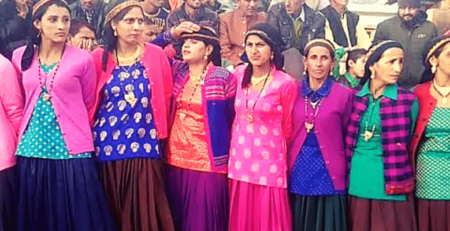
Kumaon, a picturesque region nestled in the Uttarakhand Himalayas, is rich in cultural and spiritual heritage. One of the most important elements of Kumaoni religious traditions is the worship of Kuldevi—the family deity revered by specific lineages and clans. This practice plays a significant role in maintaining family bonds, preserving ancestral customs, and fostering a deep sense of community. In this article, we explore the concept of Kumaon Kuldevi, its cultural importance, and the prominent deities associated with this tradition.
What is a Kumaon Kuldevi?
In Kumaon, the term Kuldevi refers to a goddess or deity that is worshipped by a particular family or clan. The Kuldevi is believed to protect the family from harm, guide them through challenges, and maintain the prosperity of the lineage. Families believe that by keeping their Kuldevi pleased, they ensure the well-being of their ancestors and future generations.
The practice of venerating a Kuldevi is central to the spiritual life of Kumaoni families, and it involves daily rituals, annual festivals, and significant life events. These deities are deeply embedded in the local culture, influencing everything from social customs to regional folklore.
Prominent Kumaon Kuldevis
While each family or clan may have its own specific Kuldevi, there are several prominent deities revered by many in the Kumaon region:
Ma Nanda Devi
Nanda Devi, the most revered Kuldevi in Kumaon, holds a central place in the region’s religious traditions. The goddess is considered the patron deity of the region, symbolizing victory, prosperity, and protection. According to local lore, Nanda Devi was brought to Kumaon by the Chand dynasty in 1665 from Junagadh, Gujarat. The dynasty’s kings installed her idol in the region as a symbol of divine protection and victory over their enemies.
Every year, a grand festival called Nanda Devi Mela is celebrated in her honor, drawing thousands of devotees from across the region. The festival is a vibrant display of Kumaoni culture, with processions, prayers, and rituals dedicated to the goddess. The reverence for Nanda Devi is not limited to the royal family but extends to all Kumaonis, making her a universal symbol of spiritual strength.
Ma Sunanda Devi
Ma Sunanda Devi is another important Kuldevi in Kumaon, especially among families associated with the Chand dynasty. Initially worshipped as a primary deity, her importance evolved with the installation of Nanda Devi, after which the two goddesses came to be regarded as sisters. Sunanda Devi continues to hold spiritual significance in Kumaon, with families maintaining her worship alongside that of Nanda Devi.
Ma Sansari Devi and Ma Anyari Devi
Sansari Devi and Anyari Devi are also celebrated as Kuldevis by various families in Kumaon. These deities are powerful female figures whose worship emphasizes the region’s reverence for the feminine divine. The Kuldevi worship practices surrounding Sansari and Anyari highlight the importance of female deities in Kumaoni spirituality, reflecting the region’s belief in the nurturing and protective power of women.
Ma Naina Devi
Ma Naina Devi is another highly revered Kuldevi in the Kumaon region, particularly in areas surrounding Nainital. The goddess Naina Devi is believed to have been the guardian deity of the region and is worshipped for protection and blessings. The Naina Devi Temple, located in Nainital, is a prominent pilgrimage site for devotees. According to legend, the eyes of the goddess Sati fell at the site, making Naina Devi a significant part of Kumaoni religious beliefs. Her temple attracts thousands of devotees who come to seek her blessings for health, prosperity, and spiritual growth.
Ma Durga & Ma Bhawani
Ma Durga & Ma Bhawani, both powerful deities in Kumaon, are worshipped as Kuldevis by several families in the region. As symbols of strength, courage, and divine protection, Durga & Bhawani are believed to offer shelter from negative influences and obstacles. Their worship is most prominent during the Navaratri festival, when they are honored for their triumph over evil forces. The fierce, yet nurturing, nature of these goddesses resonates deeply with Kumaoni traditions, where they are revered not only as protectors but as symbols of feminine power and resilience.
Kali Ma
Kali Ma, another fierce goddess revered in Kumaon, holds immense spiritual significance as a protector and destroyer of evil. Kali is often worshipped for her transformative powers, which help eliminate negative energies and pave the way for new beginnings. Many Kumaoni families revere Kali Ma as their Kuldevi, seeking her blessings for strength and protection. Her worship involves rituals that symbolize the destruction of negativity and the emergence of divine light. The worship of Kali Ma in Kumaon reflects the region’s deep respect for the transformative power of the divine feminine.
Cultural and Spiritual Importance
The worship of Kumaon Kuldevis is more than just a religious practice; it is a deeply ingrained cultural tradition. These deities are the pillars of family identity and continuity. By honoring their Kuldevi, Kumaoni families reaffirm their connection to their ancestors and their roots. This practice helps families maintain a sense of unity and ensures that the teachings of their forebears are passed down to future generations.
Rituals and festivals dedicated to the Kuldevis are significant events in the Kumaoni calendar. They serve as occasions for families to come together, celebrate, and reinforce their shared spiritual beliefs. These celebrations are not only an expression of devotion but also a reflection of the region’s vibrant culture, which blends spirituality, music, dance, and social harmony.
Kuldevi worship also serves to bind communities. In many villages, local shrines and temples dedicated to the Kuldevi become focal points of social interaction and collective worship. People from different families and clans join together to celebrate their shared faith, creating a sense of belonging that transcends individual family units.
The Enduring Legacy of Kumaon Kuldevi
The worship of Kumaon Kuldevi continues to play a vital role in shaping the spiritual landscape of the region. Despite the changes brought about by modernization, the reverence for these deities remains steadfast. The Kuldevis are symbols of protection, family legacy, and continuity, ensuring that the spiritual practices of Kumaon are passed down through generations.
In a rapidly changing world, where urbanization and globalization are transforming rural traditions, the role of Kuldevi worship in Kumaon serves as a reminder of the region’s deep-rooted spirituality and its commitment to preserving cultural heritage. Understanding the role of these deities offers a glimpse into the profound spiritual life of the Kumaoni people, reflecting their enduring connection to the divine and their ancestors.
Kumaon Kuldevi encapsulates the rich spiritual and cultural heritage of the region. These deities are not just symbols of faith, they are guardians of family traditions, spiritual beliefs, and communal identity. As Kumaon continues to evolve, the worship of Kuldevis will undoubtedly remain an integral part of the region’s cultural fabric, offering strength and guidance to the families who revere them.