Kilmode
The Resilient Fruit of Uttarakhand
Kilmora, scientifically known as Berberis asiatica, is a remarkable fruit native to the Himalayan region, including Uttarakhand. Renowned for its resilience and diverse uses, Kilmora is a staple in the local diet and traditional medicine.
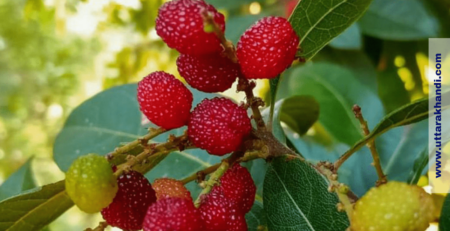
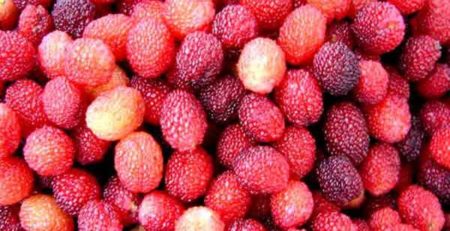
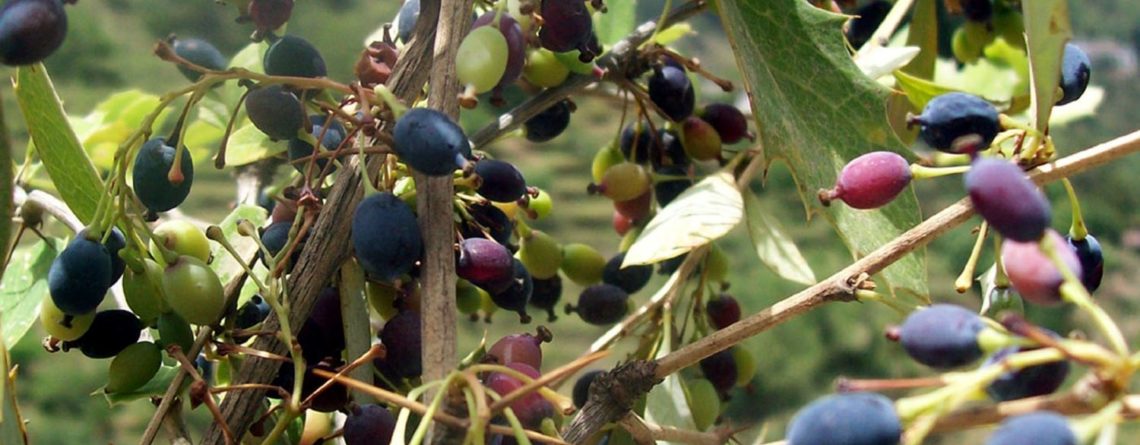
Kilmora grows on a thorny shrub or small tree, reaching up to 3 meters in height. The fruit is small, usually about 1 cm in diameter, and can be red, orange, or yellow when ripe. It has a tart flavor and is encased in a thick, waxy skin. The plant is adapted to the rugged terrain of Uttarakhand and thrives in elevations between 1,500 and 2,500 meters.
In childhood, everyone from areas where Kilmora or Kilmode grows must have enjoyed this fruit. The plant is always in high demand due to its medicinal uses. The root of this plant is very valuable and is used in a variety of medicines. Although it is a plant, its branches and roots are very strong and solid. It is a thorny plant with thorns on both the leaves and the branches.
The ripe fruit is purple and has a sweet and sour taste. The taste of Kilmora or Kilmode is unique and cannot be compared with other flavors.
Due to its medicinal properties, this plant is disappearing quickly.
Nutritional Benefits
Kilmora is rich in essential nutrients, including vitamins, minerals, and antioxidants. It contains a high level of vitamin C, which supports immune function and skin health. The fruit is also a source of dietary fiber, which aids in digestion and promotes overall gastrointestinal health. Additionally, Kilmora has been found to possess anti-inflammatory and antimicrobial properties.
Culinary Uses
In Uttarakhand, Kilmora is used in various traditional dishes and preparations. The fruit can be consumed fresh, though it is more commonly dried and used to make preserves, jams, and chutneys. Kilmora is also added to local recipes to enhance flavor, particularly in curries and rice dishes. The fruit’s tangy taste makes it a versatile ingredient in both sweet and savory dishes.
Medicinal Properties
Kilmora holds a significant place in traditional medicine due to its numerous health benefits. It is used to treat gastrointestinal issues, including indigestion and diarrhea. The fruit is also believed to have anti-diabetic properties, helping to regulate blood sugar levels. Additionally, Kilmora is used in traditional remedies for respiratory problems and skin conditions.
Cultural Significance
Kilmora is deeply embedded in the cultural practices of Uttarakhand. The fruit is often featured in local festivals and traditional ceremonies, symbolizing the region’s rich natural resources. It is cherished not only for its nutritional and medicinal value but also for its role in local traditions and folklore.
Kilmode and Kilmora
In some regions of Uttarakhand, Kilmora is locally referred to as Kilmode. Despite the different names, they refer to the same fruit. The term “Kilmode” is used interchangeably with “Kilmora,” reflecting the local dialects and traditions of the area.
Challenges and Conservation
Despite its importance, Kilmora faces challenges such as habitat loss and overharvesting. Conservation efforts are being made to protect Kilmora shrubs and promote sustainable harvesting practices. Local communities are increasingly involved in these efforts, recognizing the need to preserve this valuable fruit and its ecosystem.
Kilmora is a vital fruit of Uttarakhand, celebrated for its nutritional benefits, medicinal properties, and cultural significance. Its unique flavor and versatile uses make it an important part of the region’s agricultural heritage. As awareness of Kilmora grows, efforts to conserve and promote this resilient fruit will ensure its continued presence in the future of Uttarakhand’s rich natural landscape.