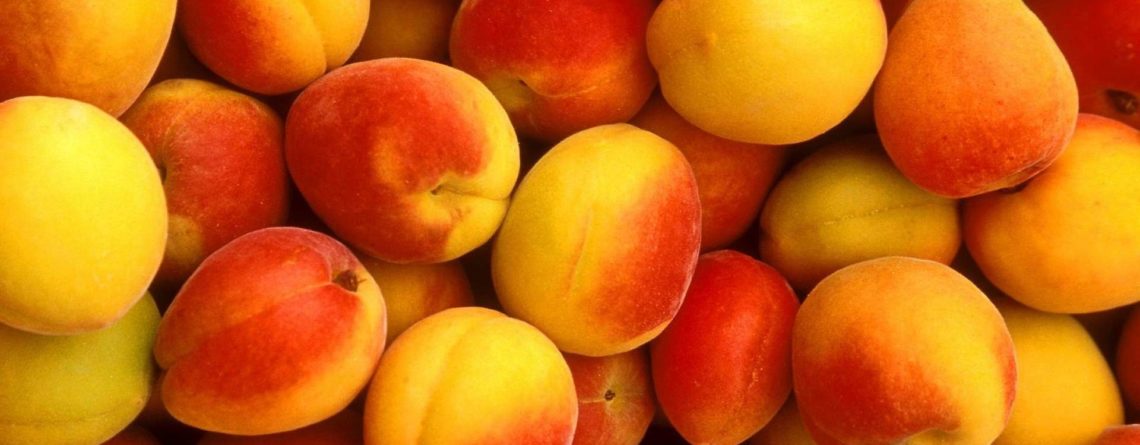
Khumani Fruit
The Delightful Apricot of Uttarakhand
Khumani, known locally as Khumani or Khumani in Uttarakhand, is a cherished fruit native to the Himalayan region. Its succulent taste and diverse uses make it a significant part of local agriculture and cuisine. This article delves into the characteristics, benefits, and cultural importance of Khumani in Uttarakhand.
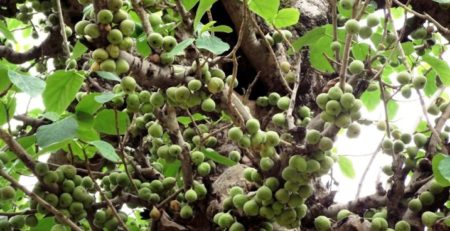
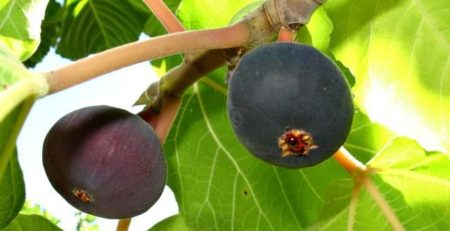
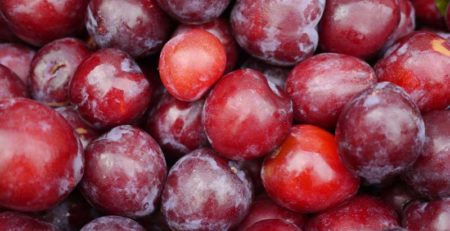
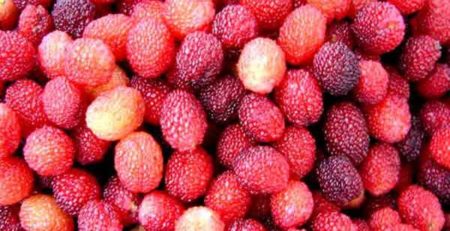
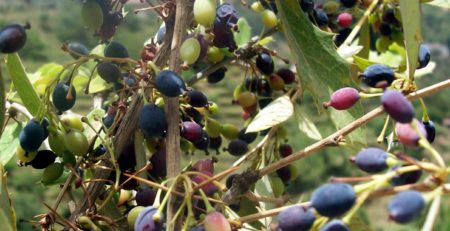
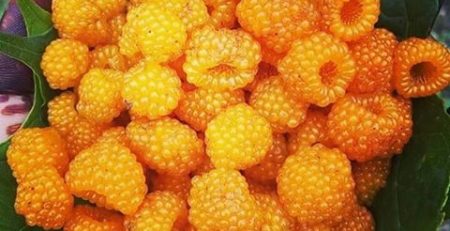
Khumani, or apricot (Prunus armeniaca), is a small, golden-orange fruit with a velvety skin. It is typically about the size of a large cherry and contains a sweet, juicy flesh. The fruit is renowned for its distinctive flavor and aroma. Khumani trees thrive in the temperate climate of Uttarakhand, usually at elevations between 1,500 to 2,500 meters, where the cool mountain air helps enhance the fruit’s flavor. This fleshy and juicy fruit is widely cultivated in Uttarakhand, and it is a popular choice due to its bright yellow-red color, which is a treat for the eyes as well as the taste buds.
Nutritional Benefits
Khumani is packed with essential nutrients, including vitamins A, C, and E, as well as dietary fiber and antioxidants. These nutrients contribute to a range of health benefits:
- Vitamin A: Supports eye health and immune function.
- Vitamin C: Boosts the immune system and promotes skin health.
- Fiber: Aids digestion and helps maintain a healthy gut.
- Beta-Carotene: Provides the fruit’s distinctive golden-orange color and contributes to overall health.
Khumani is particularly rich in beta-carotene, iron, potassium, and antioxidants, making it a healthy choice. The fruit also contains significant amounts of dietary fiber, which aids in digestion and promotes a healthy gut.
Culinary Uses
In Uttarakhand, Khumani is a versatile fruit used in various culinary applications:
- Fresh Consumption: Enjoyed as a refreshing snack or dessert.
- Preserves and Jams: Often made into delicious apricot jams and preserves.
- Beverages: Used to create traditional drinks and flavorings.
- Cooking: Added to local dishes for a sweet and tangy flavor.
Khumani is also dried to make apricot leather or used in baking, where its sweet and tangy profile enhances the taste of cakes and pastries.
Medicinal Properties
Traditional medicine in Uttarakhand values Khumani for its therapeutic properties:
- Digestive Health: The fruit’s high fiber content aids in digestion and prevents constipation.
- Skin Health: The vitamins and antioxidants contribute to healthy, radiant skin.
- Boosting Immunity: Regular consumption helps strengthen the immune system.
Khumani is sometimes used in homemade remedies to treat digestive issues and skin conditions. Additionally, dried apricots are a rich source of iron and can be beneficial for those with anemia. Apricot oil is also known for its benefits for the skin and hair.
Cultural Significance
Khumani holds a special place in Uttarakhand’s cultural landscape. It is featured in local festivals, traditional recipes, and folk songs. The fruit is a symbol of the region’s agricultural richness and is often associated with the changing seasons, especially during the harvest period.
Harvesting Khumani is a community event, where families come together to pick the ripe fruit and prepare it for various uses. The fruit’s presence in local customs reflects its importance in daily life and cultural practices.
Challenges and Conservation
Despite its significance, Khumani faces challenges such as changing climate conditions and habitat loss. Efforts are underway to promote sustainable farming practices and conserve Khumani orchards. These initiatives aim to ensure the fruit’s availability for future generations while maintaining the ecological balance of the region.
Khumani is more than just a fruit; it is a vital part of Uttarakhand’s heritage, offering a range of health benefits, culinary delights, and cultural value. Its sweet flavor, nutritional richness, and role in local traditions make it a standout fruit in the Himalayan region. As conservation efforts continue, Khumani is poised to remain a cherished part of Uttarakhand’s agricultural and cultural landscape.