Khuded: The Melancholic Folk Song of Uttarakhand
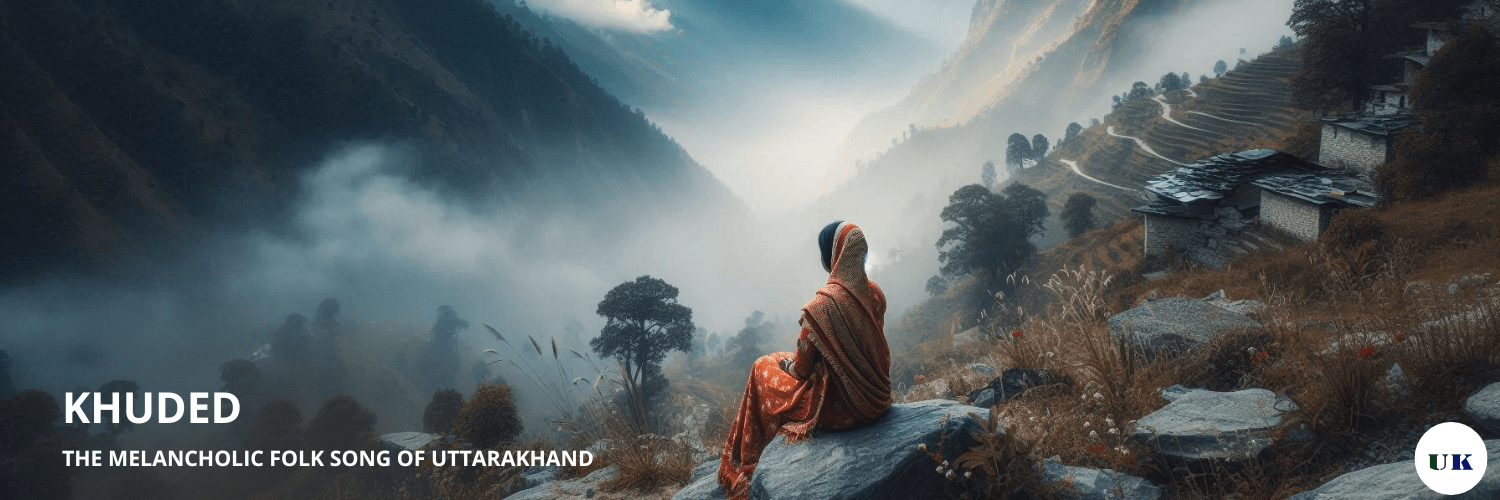
Khuded is a deeply emotional and culturally significant folk tradition that captures the heartache and longing experienced by the people of Uttarakhand. Through its melancholic melodies and evocative lyrics, Khuded serves as a powerful reminder of the emotional toll of migration and separation, while also celebrating the resilience and enduring spirit of those who wait. As a living tradition, Khuded continues to evolve, touching the hearts of all who listen and keeping the rich cultural heritage of Uttarakhand alive.
Explore Khuded, the melancholic folk song of Uttarakhand’s Garhwal and Kumaon regions, renowned for its soulful melodies and poignant themes that deeply resonate with the cultural narrative of the area.
Khuded stands out as a deeply emotional and evocative folk song from both Garhwal and Kumaon, celebrated for its ability to convey a profound sense of melancholy and introspection. This traditional song captures the essence of Uttarakhand’s emotional landscape through its soulful melodies and reflective lyrics. Often performed during moments of personal or communal sorrow, Khuded addresses themes of loss, longing, and nostalgia, providing a musical outlet for expressing the complexities of human emotions.
The song’s melodies are characterized by their slow, mournful tunes, which enhance the emotional depth and resonance of the lyrics. These melodies are typically accompanied by traditional instruments that add to the somber and reflective mood of the performance. Khuded is not just a musical expression but also a cultural artifact that reflects the rich heritage and emotional experiences of the people from Garhwal and Kumaon.
In Uttarakhand, Khuded is performed in various settings, including community gatherings and religious events, where its melancholic tones offer a space for collective reflection and empathy. Through its evocative and poignant nature, Khuded continues to be a significant part of the folk music tradition in both Garhwal and Kumaon, capturing the heart of the region’s cultural and emotional expression.
The Themes of Khuded
The word “Khuded” in the local dialect translates to “yearning” or “longing,” which perfectly encapsulates the essence of these songs. Khuded songs typically express the sorrow of being apart from loved ones, whether due to migration, war, or other circumstances that have led to physical separation. These songs often portray the emotional turmoil of women who are left behind when their husbands, sons, or brothers migrate to distant lands in search of work or to serve in the armed forces.
The lyrics of Khuded are filled with vivid imagery and deep emotions, painting a picture of the loneliness and despair felt by those who wait for the return of their loved ones. The songs often describe the desolate landscapes, the changing seasons that seem to mirror the singer’s inner sorrow, and the hope that one day, the loved one will return.

The Cultural Context of Khuded
Khuded has a special place in the cultural landscape of Uttarakhand, where migration has long been a significant part of life. The mountainous terrain and limited economic opportunities have historically led many men to leave their homes in search of employment, often for extended periods. This migration has left a profound impact on the social fabric of the region, with Khuded emerging as a powerful expression of the emotional consequences of this separation.
Khuded songs are usually sung by women, who pour their emotions into the melodies as a way of coping with the pain of waiting. The songs serve as a means of communal support, where women come together to share their experiences and find solace in the shared expression of their grief.

The Role of Khuded in Tradition
Khuded is more than just a folk song; it is a form of emotional release and a way to preserve the collective memory of the community. Through Khuded, the people of Uttarakhand have maintained a connection to their past, passing down stories of love, loss, and resilience from one generation to the next.
The tradition of Khuded has also played a role in strengthening the bonds within the community. In times of hardship, these songs have brought people together, providing comfort and a sense of solidarity in the face of adversity.
Khuded in Contemporary Times
While the themes of Khuded remain timeless, the tradition has evolved over the years. Contemporary artists and folk musicians have brought Khuded to new audiences, both within and outside Uttarakhand. These modern interpretations of Khuded often blend traditional melodies with contemporary music styles, making the songs accessible to younger generations while preserving the essence of the original.
Efforts to document and promote Khuded have also helped to ensure that this emotional and cultural heritage is not lost. Folk festivals, recordings, and performances continue to keep the tradition of Khuded alive, allowing it to resonate with new audiences who may not have experienced the hardships that originally inspired these songs but can still connect with the universal themes of love and longing.