Kafal (kafal fruit)
The Wild Jewel of Uttarakhand
Kafal (Myrica esculenta), a small, red, wild berry, is one of the most beloved fruits of Uttarakhand. This fruit, native to the Himalayan region, holds a special place in the hearts of the local people, symbolizing the arrival of summer and the rich biodiversity of the hills.
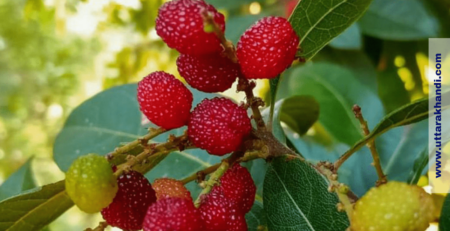
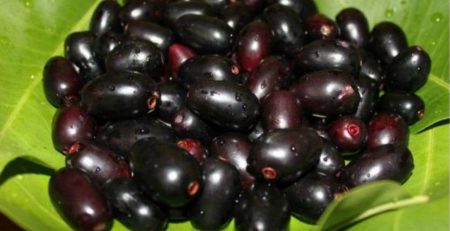
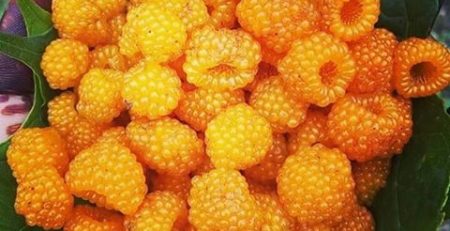
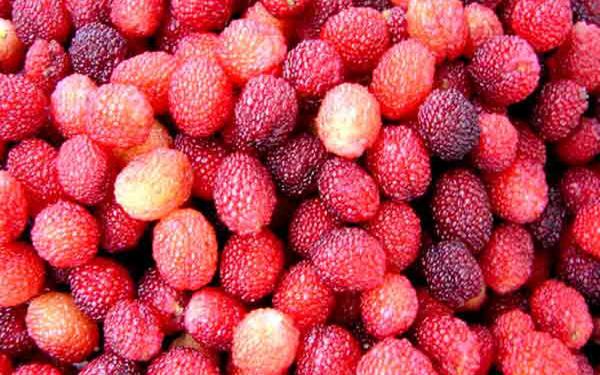
Kafal is a very popular fruit in the hilly region of Uttarakhand. It grows on trees, and the average tree size is smaller than that of mango trees. The fruit itself is much smaller than a mango, with a size similar to that of an almond. Fully ripened kafal has a dark red or blackish color and tastes wonderfully sweet, while half-ripened kafal has a pinkish hue and offers a sweet and sour flavor.
Kafal Fruit is found in the hilly regions at high altitudes. These areas, at the tops of mountains, have lower temperatures, making them relatively cooler compared to the low-altitude regions (valleys or the bottom of mountains). Since kafal grows in cooler regions, which are not favorable for mangoes, mangoes and kafal do not grow in the same regions.
The kafal Fruit is a seasonal delight, ripening during the late spring and early summer months, especially from April to June. During this time, locals enthusiastically harvest the fruit, celebrating its arrival as a sign of the changing seasons and the bounty of nature.
Beyond its delicious flavor, kafal fruit is packed with numerous health benefits, making it a significant part of the local diet. Rich in vitamins, antioxidants, and dietary fiber, the fruit is known for its potential to aid digestion and boost immunity. It also has anti-inflammatory properties and is believed to provide relief from respiratory issues. In Uttarakhand, kafal fruit is commonly consumed fresh or used to prepare traditional jams, jellies, and beverages, reflecting the cultural significance of this fruit in local customs and culinary practices. Its seasonal harvesting fosters community bonding, as families and friends come together to enjoy and celebrate the unique offerings of their rich natural environment.
Description and Appearance Kafal berries are small, round, and reddish-purple when ripe. They grow on trees that can reach up to 15 meters in height, typically found at elevations between 1,500 and 2,100 meters in the foothills of the Himalayas. The fruit has a sweet and tangy flavor, making it a favorite summer treat. Due to its perishable nature, Kafal is typically consumed fresh or sold by local vendors along the roadside.
Nutritional Benefits Kafal is not just a tasty fruit but also packed with nutrients. It is a good source of vitamins, especially vitamin C, which boosts immunity. It also contains antioxidants that help protect the body from free radicals, promoting skin health and reducing inflammation. The fruit is also rich in dietary fiber, aiding digestion and contributing to overall gastrointestinal health.
Culinary and Traditional Uses In Uttarakhand, Kafal is primarily eaten fresh, but it is also used to make juices and local beverages. While it is not commonly used in elaborate dishes, the fruit’s distinct flavor makes it a popular snack, especially for children. Its cultural significance is evident in local folklore and songs, where Kafal is often celebrated as a symbol of abundance and natural beauty.
Medicinal Properties Kafal Fruit is also known for its medicinal properties. In traditional medicine, the bark and leaves of the Kafal tree are used to treat a variety of ailments, including respiratory issues and skin disorders. The fruit itself is believed to have anti-inflammatory and digestive benefits, making it a valuable natural remedy in the region.
Cultural Significance For the people of Uttarakhand, Kafal is more than just a fruit—it is a symbol of the changing seasons and the connection between the land and its people. The fruit ripens in early summer, marking the beginning of the season and bringing joy to the local communities. In folklore, Kafal is often linked with stories of longing and fulfillment, reflecting its deep-rooted cultural importance.
Challenges and Conservation Despite its popularity, the Kafal tree is under threat due to deforestation and overharvesting. Efforts are being made to conserve Kafal trees and promote sustainable harvesting practices to ensure that future generations can enjoy this unique fruit.
Here are some frequently asked questions (FAQs) about Kafal (Myrica esculenta):
• What is Kafal?
Kafal is a small, wild fruit found in the Himalayan regions, particularly in Uttarakhand, Himachal Pradesh, and Nepal. It is known for its sweet-tangy flavor and is typically harvested in late spring to early summer. Kafal grows on trees that can reach up to 15 meters in height.
• What does Kafal taste like?
When fully ripe, Kafal has a sweet and juicy taste with a slight tanginess. Unripe or partially ripe Kafal can be more sour with a hint of sweetness.
• When is the best time to harvest Kafal?
Kafal is harvested during the months of April to June, when the fruit is fully ripe and ready for consumption.
• What are the health benefits of Kafal?
Kafal is rich in Vitamin C, antioxidants, and dietary fiber. It is known to help boost immunity, promote skin health, aid digestion, and reduce inflammation. It also has medicinal properties that may help with respiratory issues and skin conditions.
• Can Kafal be used for medicinal purposes?
Yes, apart from its fruit, parts of the Kafal tree, such as the bark and leaves, are used in traditional medicine to treat ailments like respiratory problems and skin disorders. The fruit itself is believed to have anti-inflammatory and digestive benefits.
• How is Kafal consumed?
Kafal is most commonly eaten fresh. However, it is also used in making jams, jellies, juices, and local beverages in Uttarakhand. The fruit is often enjoyed as a seasonal snack, especially by children.
• Where does Kafal grow?
Kafal grows in high-altitude regions, typically between 1,500 and 2,100 meters above sea level, in the foothills of the Himalayas. It is commonly found in regions of Uttarakhand, Himachal Pradesh, and Nepal.
• Is Kafal a seasonal fruit?
Yes, Kafal is a seasonal fruit that ripens during the spring and early summer months. It is a popular fruit during the months of April to June.
• What is the cultural significance of Kafal?
Kafal holds great cultural importance in Uttarakhand. It symbolizes the arrival of summer and the changing seasons. Local communities celebrate the fruit’s harvest, and it features prominently in local songs, folklore, and traditions.
• Is Kafal endangered?
Due to deforestation and overharvesting, the Kafal tree faces some threats. Conservation efforts are being made to protect the trees and ensure sustainable harvesting practices for future generations.
• What are some common names for Kafal?
Kafal is scientifically known as Myrica esculenta and is also called Myrica integrifolia or Myrica nagi. In the Kumaoni dialect of Uttarakhand, it is referred to as “kaafo.”
• Can Kafal be stored for a long time?
Due to its perishable nature, Kafal does not store well for long periods. It is best consumed fresh or made into preserves like jams or jellies if you wish to keep it for a longer duration.
• Can Kafal be eaten when it is not fully ripe?
Yes, while fully ripe Kafal is sweet and tangy, unripe Kafal has a sour taste. It is typically eaten fresh when ripe, but in some cases, it may be consumed while still slightly green or unripe for its tanginess.
• Can I grow Kafal in my garden?
Kafal trees grow best in high-altitude regions with cool, temperate climates. If you live in a similar environment and have the right conditions, you may be able to grow Kafal trees, but it requires specific knowledge of its cultivation and care.
• What is the best way to eat Kafal?
The best way to eat Kafal is to enjoy it fresh after plucking it from the tree. It is delicious as a snack or can be mixed into fruit salads or used in making local beverages.
The Kumaon region is especially known for this fruit. Ranikhet, Almora, and Nainital districts are well-known for their kafal. In the local Kumaoni language, this fruit is called ‘kaafo.’ or ‘Kaphol,’ highlighting its deep-rooted significance in the culture and traditions of the area. It is a symbol of the natural beauty and rich biodiversity of the Kumaon hills, where the fruit is celebrated during its short but eagerly anticipated harvest season.
Kafal Fruit is harvested from tall, wild trees, often reaching several meters in height, during the months of May and June. The trees are found in the hills of Nepal and Northern India, at altitudes between 1,000 and 2,000 meters above sea level. At full maturity, kafal turns into a reddish-purple, ellipsoid-shaped fruit. Scientifically, kafal is most commonly referred to as Myrica esculenta, though it is also known as Myrica integrifolia and Myrica nagi. In ancient Sanskrit, kafal is called Kaiphala or Katphala and is believed to possess medicinal properties.