Jhumeila: The Joyful Folk Song of Uttarakhand
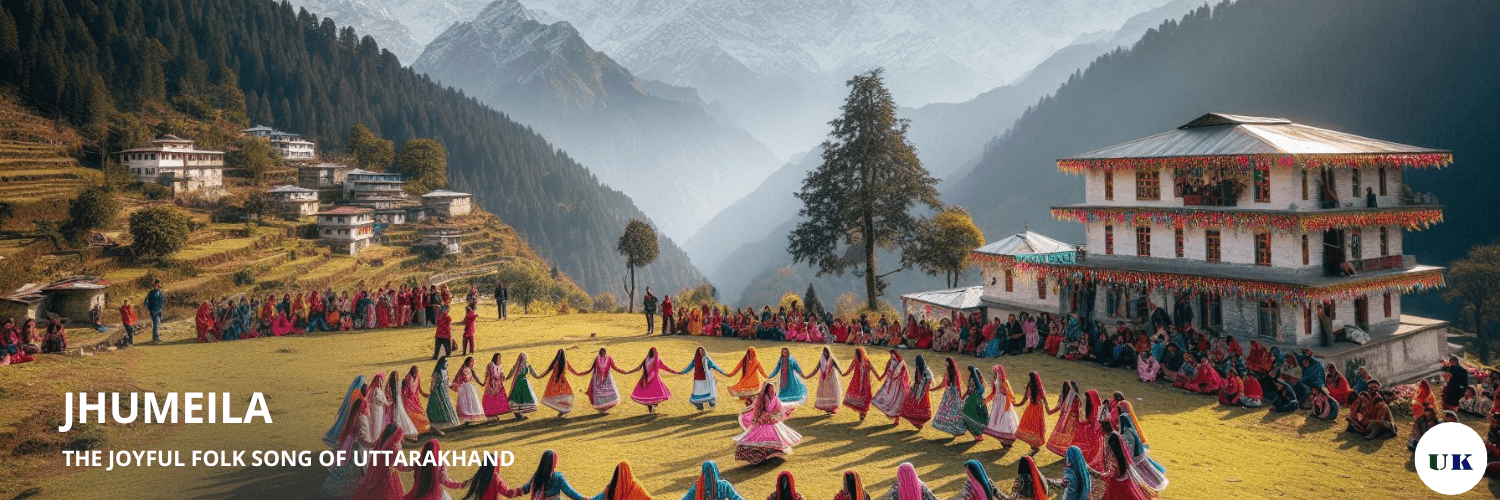
Jhumeila is a joyful and expressive folk tradition that embodies the spirit of Uttarakhand. Through its melodic songs, it captures the beauty of the region’s landscape, the warmth of its people, and the richness of its cultural heritage. Whether sung during a festive gathering or while working in the fields, Jhumeila continues to be a source of joy and a celebration of life in the hills of Uttarakhand.
Jhumeila is a traditional folk song from Uttarakhand, celebrated for its lively and rhythmic melodies that capture the essence of the region’s rural life. Unlike the more spiritual and ceremonial Jaggar, Jhumeila is primarily associated with the joy and celebration of everyday life, especially during festivals and social gatherings.
The Themes of Jhumeila
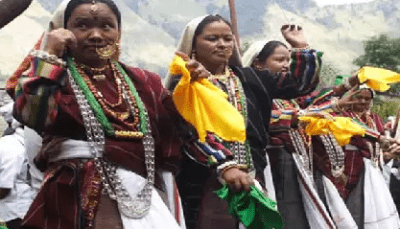
Jhumeila songs often revolve around themes of love, nature, and the simplicity of rural life. They depict the beauty of the Himalayan landscape, the changing seasons, and the emotions of love and longing. Many Jhumeila songs are sung by women, often in groups, as they engage in daily chores or during community gatherings. The songs are typically call-and-response, with one singer leading and the others joining in chorus.
Jhumeila is not only a reflection of the natural beauty of Uttarakhand but also a celebration of its people and their way of life. The lyrics of Jhumeila songs frequently express the joys and sorrows of love, the challenges of life in the mountains, and the close-knit relationships within the community.
The Role of Jhumeila in Social Life
Jhumeila is an essential part of the social life in Uttarakhand. It is often performed during festivals, weddings, and other community events, where the lively tunes and heartfelt lyrics bring people together in celebration. The songs are accompanied by traditional instruments like the dhol and thali (a metal plate), adding to the festive atmosphere.
In addition to being a form of entertainment, Jhumeila serves as a way to pass down cultural values and traditions from one generation to the next. The songs often contain moral lessons, stories of valor, and expressions of communal identity, making them an important vehicle for cultural transmission.

Jhumeila in Contemporary Times
While Jhumeila remains popular in rural Uttarakhand, it has also gained recognition beyond the region. Folk artists and cultural groups have brought Jhumeila to wider audiences through performances at cultural festivals and on media platforms. Efforts to preserve and promote this folk tradition have helped to keep it alive in the face of modernization and changing social dynamics.
In recent years, there has been a renewed interest in Jhumeila, with new compositions being created that blend traditional melodies with contemporary themes. This evolution of Jhumeila reflects its enduring relevance and adaptability as a folk tradition.
Jhumeila is a cherished folk song that embodies the festive spirit and cultural richness of Garhwal, Uttarakhand. Traditionally performed during celebrations and community gatherings, this song is characterized by its infectious rhythms and lively melodies, which bring people together in a shared expression of joy. The term “Jhumeila” itself reflects the dance-like quality of the performance, where the rhythm encourages lively movement and communal participation.
The song’s lyrics often celebrate themes of nature, life in the hills, and the vibrant local traditions, providing a window into the everyday experiences and cultural values of the Garhwal region. With its upbeat tempo and engaging tunes, Jhumeila fosters a sense of unity and excitement among participants, making it a central feature of local festivals and gatherings.
The music accompanying Jhumeila typically involves traditional instruments such as the dhol and damau, which enhance its rhythmic and energetic character. These performances are not just musical expressions but also social events that reinforce community bonds and cultural heritage. Through its vibrant celebration of life and tradition, Jhumeila continues to be a beloved part of Garhwal’s cultural landscape, keeping the region’s rich folk traditions alive and thriving.