Jagar: The Multipurpose Folk Song of Uttarakhand
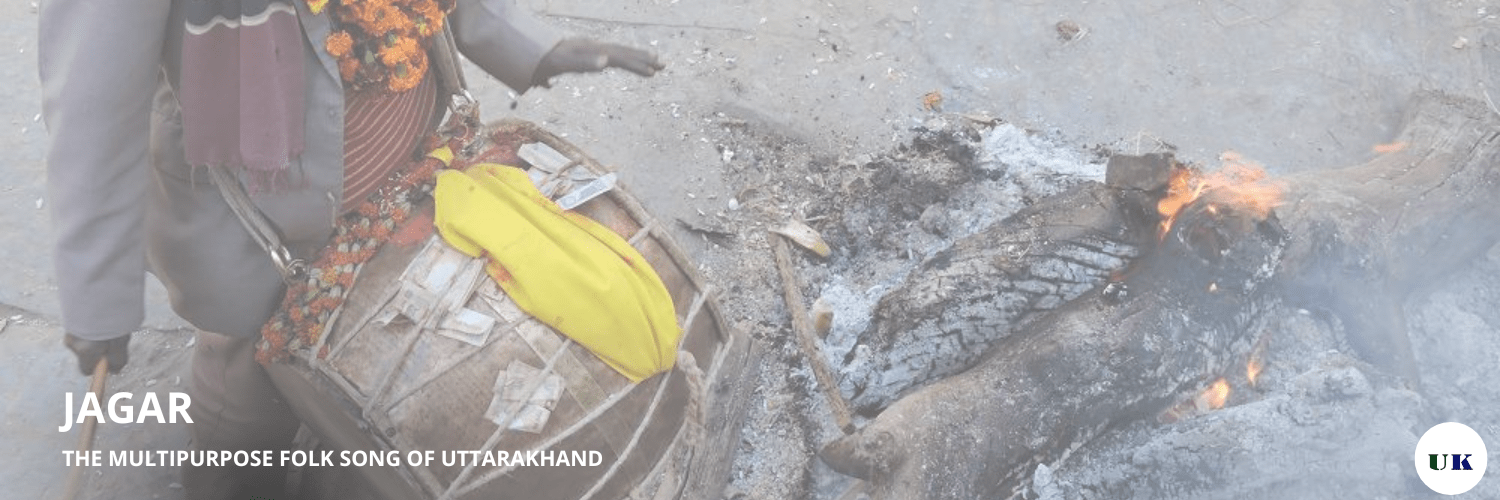
Jagar is one of the most celebrated and versatile folk traditions in Uttarakhand, India. Rooted in the ancient cultural practices of the region, Jagar serves a dual purpose: it is used both for worshipping spirits and ghosts, as well as for offering prayers to various gods and goddesses. This unique blend of the spiritual and the religious makes Jagar an indispensable part of Uttarakhand’s rich cultural tapestry.
The Origins of Jagar
The origins of Jagar can be traced back to the indigenous communities of Uttarakhand, who have long believed in the presence of both benevolent and malevolent spirits. These beliefs have been passed down through generations, and Jagar evolved as a means to communicate with these spirits, appease them, and seek their blessings or forgiveness.
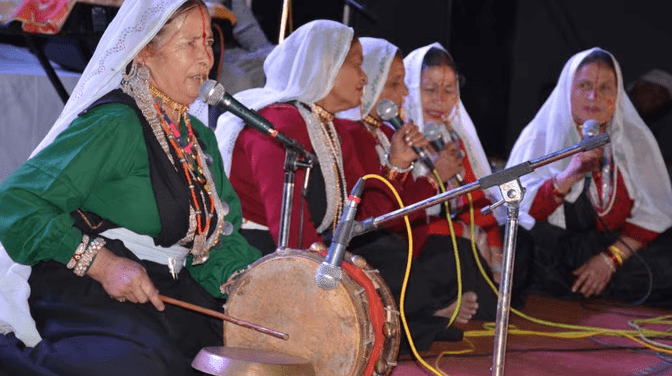
Jagar is traditionally performed by a Jagariya, a spiritual leader or shaman who is believed to have the ability to invoke and communicate with spirits. The Jagariya, accompanied by musicians playing traditional instruments like the dhol (a double-headed drum) and damau (a kettledrum), sings Jagar to call upon the spirits, often during special rituals or ceremonies known as “Jagar.”
The Dual Role of Jagar
What sets Jagar apart from other folk traditions is its dual role in the cultural and religious life of Uttarakhand. On one hand, it is used in rituals to worship and communicate with spirits and ghosts, often to address issues like illness, misfortune, or disturbances believed to be caused by unhappy spirits. These rituals are deeply rooted in the region’s animistic beliefs, where nature and spirits play a significant role in daily life.
On the other hand, Jagar is also used as a religious hymn during prayers to various gods and goddesses. In this context, Jagar serves as a form of devotion, expressing reverence and seeking divine blessings. The same melodies and rhythms that are used to call upon spirits can be employed to honor deities, showcasing the fluidity with which Jagar transitions between the spiritual and the sacred.
The Cultural Significance of Jagar
Jagar is more than just a folk song; it is a living tradition that reflects the worldview of the people of Uttarakhand. It embodies their beliefs, values, and the deep connection they maintain with both the spiritual and natural worlds. Despite the influence of modernization and changing social dynamics, Jagar continues to be an integral part of religious and cultural ceremonies in the region.
In recent years, efforts have been made to preserve and promote Jagar, recognizing its significance as a cultural heritage. Performances of Jagar are now being showcased at cultural festivals and events, bringing this ancient tradition to a broader audience and ensuring its survival for future generations.
Discover Jhumeila, the joyful folk song of Uttarakhand that celebrates the rich cultural heritage and lively traditions of the region. Enjoy its vibrant rhythms and uplifting melodies that capture the essence of Uttarakhand’s festive spirit.
Jagar is a prominent and multifaceted folk song from Uttarakhand, distinguished by its unique ability to adapt to various cultural and religious contexts. Originally rooted in the region’s traditional practices, Jagar serves multiple purposes, making it an integral part of both devotional and celebratory events. It is often performed during rituals and ceremonies dedicated to worshipping spirits and deities, where its profound and melodious tones invoke a sense of reverence and spiritual connection. Additionally, Jagar is a key component of communal celebrations, where its energetic and rhythmic qualities contribute to the festive atmosphere.
The song’s versatility extends to its role as a religious hymn, where it is used in prayers and offerings to various gods and goddesses, enriching the spiritual experience of the participants. The rich cultural heritage embedded in Jagar reflects the diverse traditions of Uttarakhand, showcasing the song’s ability to transcend specific occasions and resonate deeply with the community. Through its dynamic use in different contexts, Jagar continues to be a vital expression of Uttarakhand’s cultural and spiritual life, preserving and celebrating the region’s heritage in a multifaceted and enduring manner.