Haridwar

“Haridwar, where the Ganges flows with divine grace and the spirit of India finds its soul.”

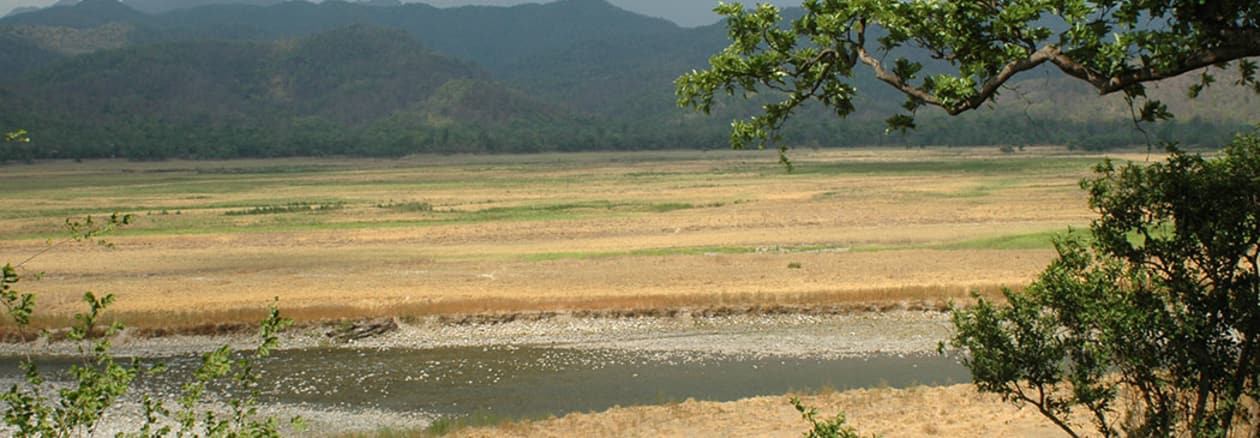
Haridwar, a prominent city in the Haridwar district of Uttarakhand, India, is not only an important religious center but also a hub of cultural and industrial development. The city, located on the banks of the Ganges River and nestled at the foothills of the Shivalik ranges, is known for its sacred significance and its role in the spiritual and cultural fabric of India.

A Holy City for Hindus

Haridwar, historically referred to as Mayapuri, Gangadwára, and Kapilasthana, has been a site of profound religious significance for centuries. It is regarded as one of the seven holiest places for Hindus. The city serves as a gateway for pilgrims traveling to the Char Dham (Badrinath, Kedarnath, Gangotri, and Yamunotri), making it a key starting point in their spiritual journey.

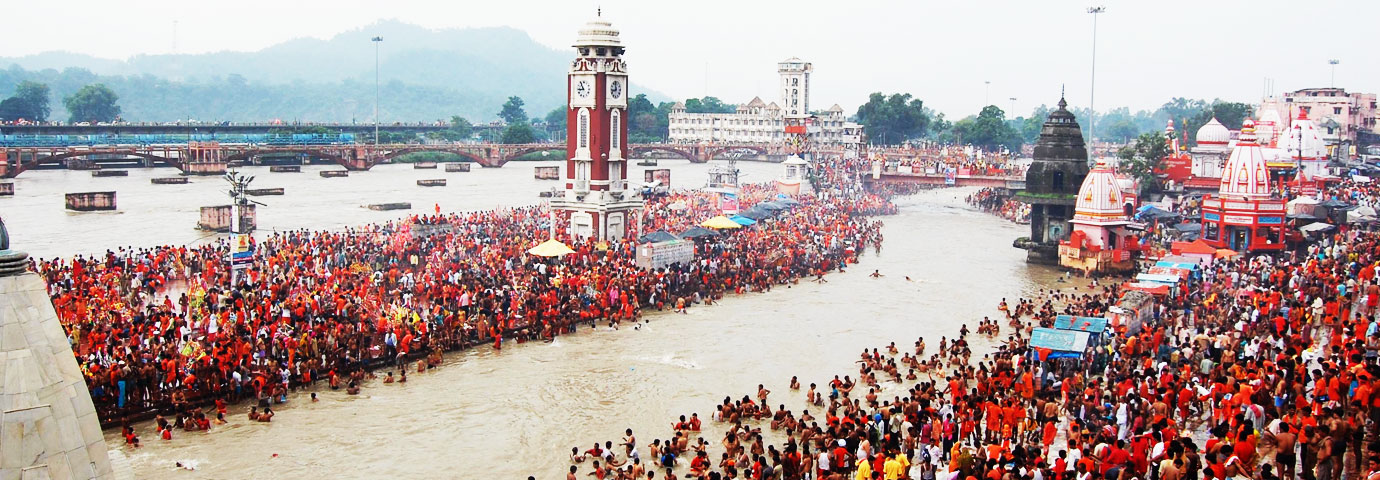
One of the key highlights of Haridwar is the Kumbh Mela, which occurs every 12 years and attracts millions of devotees. Pilgrims gather in Haridwar to take part in the sacred ritual of bathing in the Ganges, believing it will cleanse them of their sins and lead them toward moksha (liberation).

The Sacred Ganga and Legend

Haridwar is believed to be the spot where the holy river Ganga descended to the earth, as per Hindu mythology. It is said that Lord Shiva released the mighty river from his hair, which then flowed through the region, bringing life and spiritual vitality. The sacred site of Brahma Kund, where it is believed that drops of the “elixir of immortality” (amrita) fell during the churning of the ocean, is located at Har Ki Pauri, the most sacred ghat in the city.

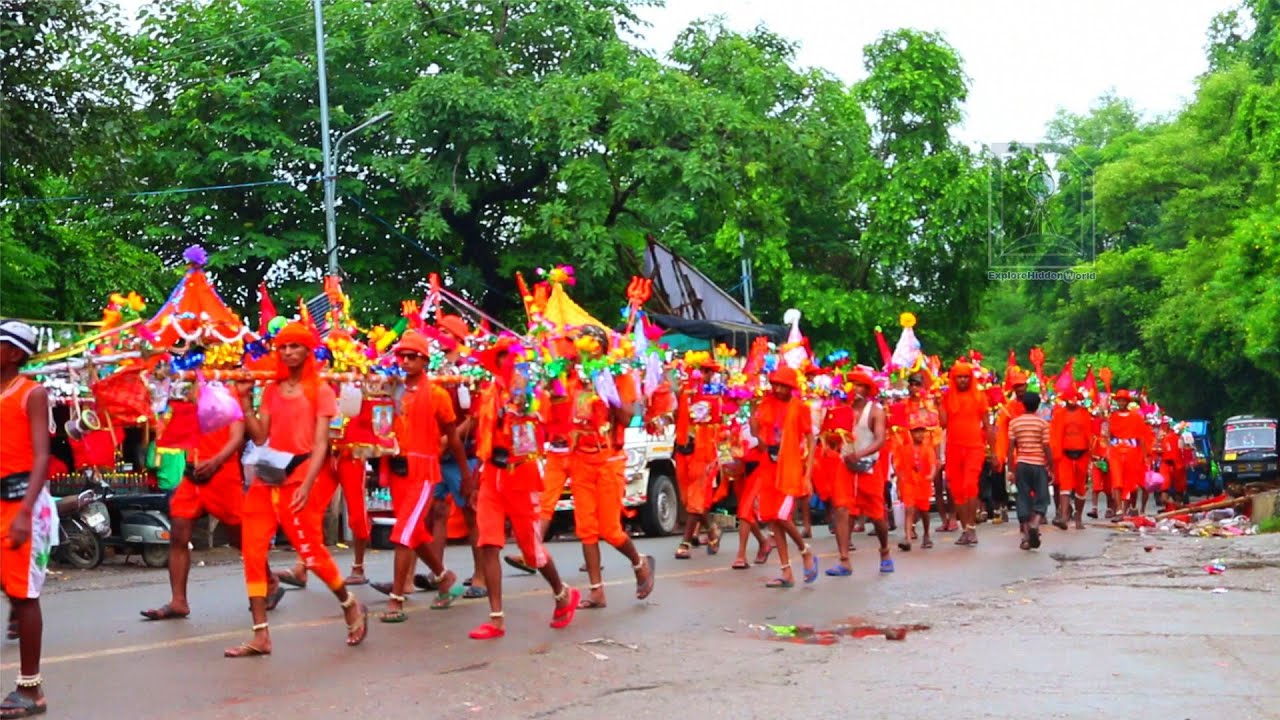
Every year, Haridwar sees millions of pilgrims visiting its ghats to offer prayers and immerse themselves in the holy waters of the Ganges. The city’s significance is amplified during the Kanwar Mela, where devotees carry water from the Ganges and walk hundreds of kilometers to various Shiva shrines.

A Historical Hub

Haridwar has a rich historical heritage, which dates back thousands of years. It has been mentioned in ancient scriptures such as the Mahabharata, where it is referred to as Gangadwára. The city has witnessed the rise and fall of various empires, including the Maurya, Kushan, and Mughal Empires. Haridwar’s history is intertwined with significant events and legends, including the penance of King Bhagiratha to bring the Ganga down to earth.

The city also bears the traces of ancient architectural grandeur, with many havelis, temples, and shrines that reflect the religious and cultural practices of centuries past.

Spiritual and Cultural Legacy

Haridwar’s allure is not limited to its religious significance. The city has long been a center for learning and cultural exchange. It is home to the Gurukul Kangri Vishwavidyalaya, a prestigious institution that has provided traditional education since 1902, and is known for its contributions to preserving India’s ancient heritage.

The rich tradition of Ayurvedic medicine thrives in Haridwar, which has long been a center for herbal remedies. The city is also famous for its vibrant markets, where pilgrims and visitors can purchase everything from sacred idols and religious offerings to natural remedies and traditional arts and crafts.

Modern Development and Industrialization

While Haridwar remains deeply rooted in its spiritual heritage, it has also evolved into a modern city. The establishment of industries like Bharat Heavy Electricals Limited (BHEL) and the development of the State Industrial Development Corporation of Uttarakhand (SIDCUL) have contributed to Haridwar’s growing industrial landscape. This juxtaposition of spirituality and development creates a unique blend that attracts visitors from all walks of life.

If you’re looking for RTI filing services in Haridwar, you can easily access them through our trusted legal partner site, RTIGuru. They provide comprehensive assistance for filing RTI applications, including drafting guidance, tracking, and tutorials to make the process smooth and straightforward.

Haridwar is a city where ancient traditions blend seamlessly with modern progress, offering a unique experience for those who visit. Whether one is a spiritual seeker, a cultural enthusiast, or an industrialist, Haridwar provides a kaleidoscope of experiences. From the holy ghats of the Ganges to the industrial corridors, Haridwar stands as a testament to the enduring power of faith, culture, and progress in the heart of India.
Here are some frequently asked questions (FAQs) about Haridwar:

What is Haridwar known for?
Haridwar is a sacred city for Hindus, known for its religious significance. It is one of the seven holiest places in Hinduism. The city is famous for the Har Ki Pauri ghat, where pilgrims gather to take a holy dip in the Ganges. Haridwar is also known for the Kumbh Mela, a major religious festival that attracts millions of devotees.

Why is Haridwar important in Hinduism?
Haridwar is considered the “Gateway to God” and is an important pilgrimage destination. It is believed to be the place where the Ganges River descends from the Himalayas to the plains. The city is also associated with several Hindu legends, including the story of Bhagirath, who brought the Ganges to Earth for the salvation of his ancestors.

How do I reach Haridwar?
Haridwar is well-connected by road, rail, and air. The nearest railway station is Haridwar Junction, which has direct trains to major cities in India. The nearest airport is Jolly Grant Airport in Dehradun, located about 35 kilometers away. The city is easily accessible by buses and taxis from nearby towns and cities.

What is the significance of Har Ki Pauri?
Har Ki Pauri is one of the most sacred ghats in Haridwar, where pilgrims gather to perform rituals and take a holy dip in the Ganges River. It is believed that taking a dip here washes away sins and leads to liberation (moksha). It is also the site of the evening Ganga Aarti, a mesmerizing ritual that attracts many visitors.

What is the Kumbh Mela, and when is it held in Haridwar?
The Kumbh Mela is one of the largest religious gatherings in the world, held every 12 years in Haridwar. During the Mela, millions of devotees come to take a ritual bath in the Ganges River, which is believed to purify them and grant them salvation. The next Kumbh Mela in Haridwar is scheduled to take place in 2025.

What are the major tourist attractions in Haridwar?
Some popular tourist attractions in Haridwar include:

  • Har Ki Pauri: The most sacred ghat in Haridwar.
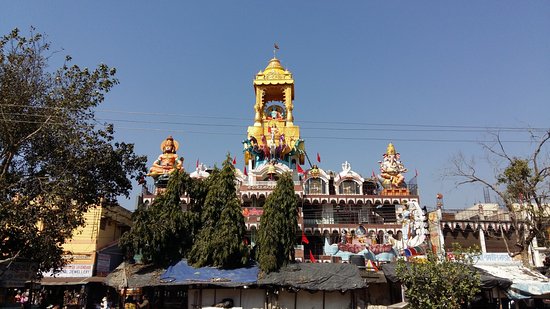
  • Mansa Devi Temple: A hilltop temple dedicated to the goddess Mansa Devi.
  • Chandi Devi Temple: A temple dedicated to the goddess Chandi, located on the Neel Parvat.
  • Brahma Kund: The spot where the Kumbh Mela is celebrated and considered sacred.
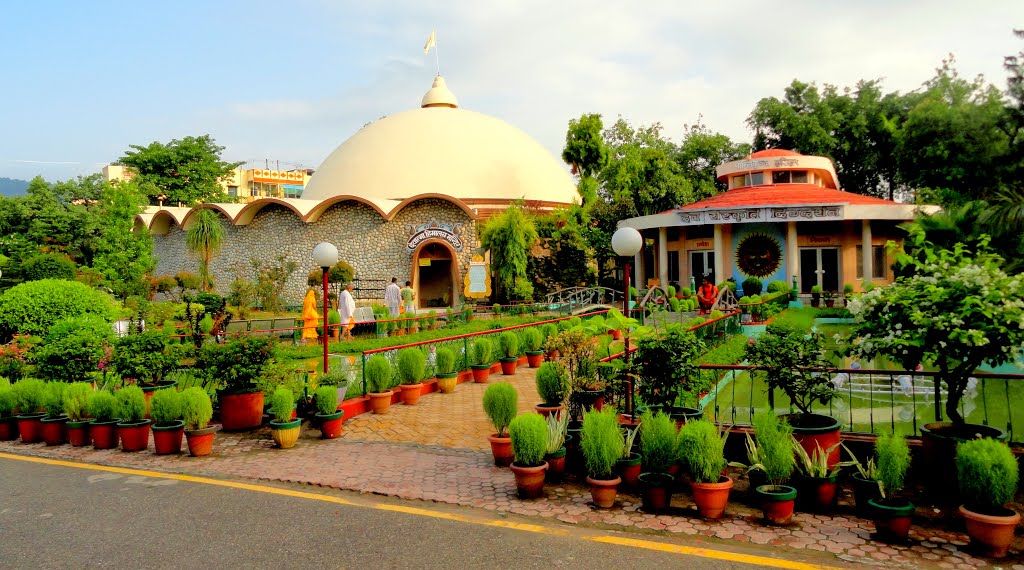
  • Shanti Kunj: An Ashram dedicated to the promotion of spiritual and social activities.

Is Haridwar safe for tourists?
Yes, Haridwar is generally safe for tourists. However, as with any popular tourist destination, it is important to exercise caution regarding personal belongings and to follow local customs and rules, especially in religious places.

When is the best time to visit Haridwar?
The best time to visit Haridwar is during the winter months, from October to March, when the weather is cool and pleasant. The summer months (April to June) can be hot, and the monsoon season (July to September) might cause disruptions, particularly during heavy rains.

What is the significance of the Kanwar Yatra?
The Kanwar Yatra is a major pilgrimage in which devotees, known as “Kanwariyas,” carry water from the Ganges River to their hometowns and offer it at Shiva temples. This annual event, especially during the month of Shravan (July-August), draws millions of participants to Haridwar.

What is the cultural heritage of Haridwar?
Haridwar has a rich cultural heritage that includes traditional music, dance, art, and cuisine. The city is also home to various Gurukuls (traditional schools) and Ayurvedic centers. Additionally, the city’s historical and religious significance has led to the preservation of old temples, ghats, and ashrams.

Kanwar Yatra

Kanwar Yatra A Sacred Journey in the Month of Sawan India is a land where faith flows as freely as its rivers, and among its many vibrant spiritual traditions, the Kanwar Yatra stands out as a symbol of intense devotion, endurance, and unity. Observed annually during the holy month of Sawan [...]

Top 10 Winter Locations in Uttarakhand

Top 10 Winter Locations in Uttarakhand Uttarakhand offers stunning winter destinations, including Auli for skiing, Nainital’s snow-covered lake town, Mussoorie’s charming hills, Kausani’s breathtaking views, Chopta’s pristine landscapes, Binsar’s serene wildlife sanctuary, Haridwar for a spiritual retreat, Ranikhet’s peaceful beauty, Pithoragarh’s Himalayan vistas, and Tehri Lake for winter sports and [...]

Best Places to Visit in Haridwar

Best Places to Visit in Haridwar Haridwar offers spiritual and scenic beauty, with key attractions like Har Ki Pauri, Mansa Devi Temple, and Chandi Devi Temple. Rajaji National Park provides wildlife experiences, while Sapta Rishi Ashram and Shanti Kunj Ashram offer peaceful retreats. The Haridwar Ropeway and Bhimgoda Tank add [...]

Religious Fraud in Haridwar

Religious Fraud in Haridwar Religious Fraud in Haridwar exposed through Priya’s experience at Pitru Puja, where promises of healing by a spiritual guru turned into a shocking revelation. A story of faith, exploitation, and disillusionment. Religious fraud is a serious issue that has affected many regions across the world, and Haridwar, [...]

Rajaji National Park

Rajaji National Park Rajaji National Park, located in Uttarakhand, India, spans 820 km² across Haridwar, Dehradun, and Pauri Garhwal districts. Known for its diverse wildlife, it became a tiger reserve in 2015. The park, named after C. Rajagopalachari, offers eco-tourism activities like safaris and trekking amidst the Shivalik hills. Rajaji National [...]

Vaishno Devi Temple, Haridwar

Vaishno Devi Temple, Haridwar Explore the Vaishno Devi Temple in Haridwar, a sacred Hindu shrine dedicated to Goddess Durga. Located near Saptarishi Ashram, this replica of the famous Jammu temple offers spiritual solace, stunning views of the Ganges, and a peaceful ambiance for worship and meditation. The Vaishno Devi Temple in [...]

Shantikunj

Shantikunj Shantikunj, located in Haridwar, Uttarakhand, is a renowned spiritual center established by Shriram Sharma and Bhagwati Devi Sharma in 1971. It serves as the headquarters of the Gayatri Pariwar movement and houses Dev Sanskriti Vishwavidyalaya, promoting spiritual growth, holistic education, and social service. A place of peace, meditation, and [...]

Patanjali Yog Peeth

Patanjali Yog Peeth Patanjali Yog Peeth, founded by Ramdev and Balkrishna, is a leading wellness center in Haridwar promoting yoga, Ayurveda, and holistic health practices. With its focus on physical, mental, and spiritual well-being, it offers yoga courses, Ayurvedic treatments, and educational programs to help individuals lead a healthier life. [...]