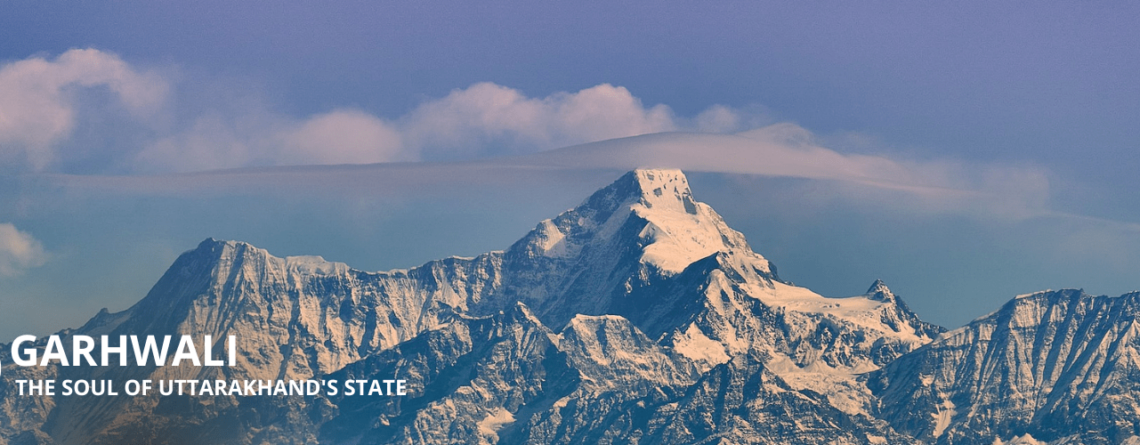
Garhwali Language
The Heartbeat of Garhwal’s Cultural Legacy
The Garhwali language is a cherished element of the Garhwal region’s cultural and linguistic heritage in Uttarakhand, India. As an Indo-Aryan dialect, Garhwali is deeply intertwined with the history and traditions of its speakers, predominantly found in districts such as Dehradun, Tehri, and Pauri. The language not only serves as a medium of communication but also as a vibrant expression of the region’s unique identity.
The History of the Garhwali Language
The Garhwali language, an integral component of the Garhwal region’s identity, has a rich and storied history that reflects the cultural evolution of this Himalayan area. As an Indo-Aryan dialect, Garhwali belongs to the larger family of languages that have influenced and shaped the linguistic landscape of northern India.
Origins and Early Development Garhwali’s roots trace back to the ancient Vedic period, with its origins deeply intertwined with the broader Indo-Aryan language family. The region’s strategic location in the northern part of India, surrounded by diverse linguistic and cultural influences, contributed to the unique development of Garhwali. The language evolved from early Prakrit dialects and Sanskrit, incorporating elements from neighboring languages and cultures over the centuries.
Medieval Period During the medieval period, Garhwali continued to develop and gain distinct characteristics. The language was influenced by various regional rulers and the local administration. As Garhwal came under different rulers, including the Chand rulers who established their kingdom in the region, the Garhwali language absorbed various linguistic features from neighboring regions and administrative practices.
Colonial and Post-Colonial Era The colonial period brought further changes to Garhwali, as British rule introduced new educational and administrative systems. While English became the language of administration and education, Garhwali persisted as a vital medium for local communication and cultural expression. Despite the challenges posed by colonial policies, Garhwali maintained its prominence in oral traditions, folk literature, and local rituals.
Modern Era and Revival In the modern era, Garhwali has faced challenges from the dominance of Hindi and English, which have become more prevalent in education, media, and governance. However, there has been a resurgence of interest in preserving and promoting the language. Efforts by cultural organizations, educational institutions, and local communities are helping to revitalize Garhwali through literature, folklore, music, and media. These initiatives aim to ensure that Garhwali remains a vibrant part of the region’s cultural heritage.
Current Status Today, Garhwali is recognized as a significant regional language, with ongoing efforts to preserve and promote its use. Various educational programs, cultural events, and media productions are dedicated to keeping the language alive and relevant. The language continues to be a crucial part of Garhwal’s cultural identity, reflecting the region’s rich history and heritage.
Regional Origin and Linguistic Classification
Garhwali is predominantly spoken in the Garhwal region, which encompasses several districts including Tehri, Pauri, Uttarkashi, and Rudraprayag. It belongs to the Indo-Aryan branch of the Indo-European language family, positioning it alongside Hindi and Sanskrit in terms of its linguistic roots. Specifically, Garhwali is classified under the Western Pahari group of languages, sharing similarities with Kumaoni and other regional languages in the northern hill states of India.
Script and Dialects
The language is written in the Devanagari script, the same script used for Hindi and other major Indian languages. Garhwali, like many regional languages, is not monolithic but features several dialects. These dialects vary based on geography and local influences, resulting in differences in vocabulary, pronunciation, and grammatical usage. Such variations contribute to the rich tapestry of Garhwali linguistic and cultural identity.
Oral Tradition and Literature
Garhwali boasts a rich tradition of oral literature that includes folk songs, stories, proverbs, and ballads. This oral heritage is integral to cultural expression, preserving historical narratives, and conveying moral lessons. Folk songs and stories often reflect the agrarian lifestyle, religious practices, and communal values of the Garhwali people. The language’s oral traditions have played a crucial role in maintaining cultural continuity through generations.
Influence and Borrowings
Garhwali has been influenced by various neighboring languages, including Kumaoni, Hindi, and even Tibetan. These influences are evident in the language’s vocabulary and expressions, reflecting the historical and cultural interactions between the Garhwali people and surrounding communities. Such linguistic borrowing highlights the dynamic nature of Garhwali as it adapts and integrates elements from other languages.
Current Usage and Challenges
Despite its cultural significance, Garhwali faces challenges in contemporary times, particularly due to the increasing dominance of Hindi in urban areas and educational institutions. The younger generation, especially in cities, often prefers Hindi, leading to a gradual decline in the daily use of Garhwali. This shift poses a threat to the language’s survival, making it imperative to focus on revitalization efforts.
Preservation Efforts
Efforts to preserve and promote Garhwali are ongoing and include a range of initiatives. Local organizations, cultural groups, and educational institutions are actively involved in documenting the language, producing literature, and incorporating Garhwali into school curricula. Media projects and cultural programs aim to raise awareness and encourage the use of Garhwali in various spheres of public life.
🏔 Learn Garhwali – Basic Words & Phrases 🌿
Garhwali is a beautiful language spoken in the Garhwal region of Uttarakhand. Here’s a handy table to help you learn some basic Garhwali words and phrases along with their Roman English and English translations.
🎉 Birthday Wishes in Garhwali & Roman English 🎂✨
Birthdays are special moments, and wishing someone in their native language adds warmth and love. Here’s a collection of birthday wishes in Garhwali, along with their Roman English and English translations for easy understanding. 💖🎁
| 🎂 English | 🇬🇦 Garhwali | 🔠 Roman English |
|---|---|---|
| Happy Birthday! | जन्मदिणा की बधाई च! | Janmadina ki badhai cha! |
| Wishing you a joyful and prosperous life! | भगवान तुज सुख-समृद्धि दियून! | Bhagwan tuj sukh-samriddhi diyun! |
| May you always stay happy and blessed! | तु हमेसा खुश रौ, भगवान तेरू रक्षा कर। | Tu hamesa khush rau, Bhagwan teru raksha kar. |
| May all your dreams come true! | भगवान तेरू सब सपनू साकार कर। | Bhagwan teru sab sapnu sakar kar. |
| Have a wonderful year ahead! | तेरू आगला साल आनंदमयी हो। | Teru agla saal anandamayi ho. |
| Wishing you lots of happiness and success! | तेरू जीवन मा खूब खुशी और सफ़लता ल्याव। | Teru jeevan ma khoob khushi aur safalta lyav. |
| May God bless you with good health and long life! | भगवान तुज तन्दुरुस्ती और लम्बी उमर दि। | Bhagwan tuj tandurusti aur lambi umar di. |
| Enjoy your special day! | आपण विशेष दिन का आनंद ले। | Aapan vishesh din ka anand le. |
| Keep smiling always! | हमेसा मुस्कान बणै रख। | Hamesa muskan banai rakh. |
| Stay blessed and keep shining! | भगवान तुज हमेशा आशीर्वाद दियून! | Bhagwan tuj hamesa ashirwad diyun! |
🌸 Spread love and happiness with these Garhwali birthday wishes! 🎈✨
🏔 Learn Garhwali – Common Words & Phrases 🌿
Garhwali is a rich and melodious language spoken in the Garhwal region of Uttarakhand. Here’s a detailed guide with common words and phrases to help you learn and communicate in Garhwali easily.
📖 Basic Greetings & Conversations
| 📝 English | 🇬🇦 Garhwali | 🔠 Roman English |
|---|---|---|
| Hello | नमस्कार | Namaskar |
| How are you? | तू के छा? / आप के छा? | Tu ke cha? / Aap ke cha? |
| I am fine | मैं बढ़िया छुं | Main badhiya chun |
| What is your name? | तेरू नाम के छ? | Tero naam ke cha? |
| My name is… | मेरो नाम … छु | Mero naam … chu |
| Where are you from? | तू कहाँ का छा? | Tu kahan ka cha? |
| I am from… | मैं … सौं छु | Main … saun chu |
| Nice to meet you | तुज मिलक बढ़िया लागु | Tuj milak badhiya lagu |
| Thank you | धन्यवाद | Dhanyavaad |
| Welcome | स्वागतम् | Swagatam |
| Sorry | माफ कर | Maaf kar |
| Yes | हाँ | Haan |
| No | न | Na |
| Goodbye | फेरि मल्यां | Feri malya |
| Take care | ध्यान राख | Dhyan rakh |
🍽 Food & Eating
| 📝 English | 🇬🇦 Garhwali | 🔠 Roman English |
|---|---|---|
| Water | पाणी | Pani |
| Food | खाना | Khana |
| Tea | चा | Cha |
| Milk | दूध | Doodh |
| Salt | नून | Noon |
| I am hungry | मैं भूख लगूं छु | Main bhukh lagu chu |
| I am thirsty | मैं प्यास लगूं छु | Main pyaas lagu chu |
| Give me food | मणि खाना दि | Mani khana di |
| The food is tasty | खाना बढ़िया छु | Khana badhiya chu |
🏡 Common Phrases for Daily Life
| 📝 English | 🇬🇦 Garhwali | 🔠 Roman English |
|---|---|---|
| Come here | इथर आ | Ithar aa |
| Go there | उत्थर जा | Utthar ja |
| Sit down | बठ जा | Bath ja |
| Stand up | खड़ा हो | Khada ho |
| What are you doing? | तू के करनु छा? | Tu ke karanu cha? |
| I don’t understand | मैं नई बुझे | Main nai buje |
| Please help me | मेरी मदद कर | Meri madad kar |
| I am busy | मैं ब्यस्त छु | Main byast chu |
| Be careful | ध्यान राख | Dhyan rakh |
| Speak slowly | धीरे बोल | Dheere bol |
| Wait for a while | थोड़ा रूक | Thoda rook |
| Let’s go | चल, जालूं | Chal, jalun |
🚗 Travel & Directions
| 📝 English | 🇬🇦 Garhwali | 🔠 Roman English |
|---|---|---|
| Where is this place? | यो ठाउँ कहाँ छ? | Yo thaun kahan cha? |
| Left | बायां | Baya |
| Right | दायां | Daya |
| Straight | सीधा | Sidha |
| Stop | रोको | Roko |
| Move forward | आगै जा | Aage ja |
| How far is this place? | यो ठाउँ कति दूर छ? | Yo thaun kati door cha? |
| Which way should I go? | मैं कुन बाटो जालूं? | Main kun bato jalun? |
🌟 Family & Relationships
| 📝 English | 🇬🇦 Garhwali | 🔠 Roman English |
|---|---|---|
| Mother | माजी | Maaji |
| Father | बाबू जी | Babuji |
| Brother | दिदा / दादा / भैजि/भुला | Dida/Dada/Bhaiji/Bhula |
| Sister | भैण/बहिन /दीदी /भुली | Bhain / Bahin / Didi / Bhuli |
| Son | बेटा/लौंडा/छोरा/नौना | Beta / Lauda / Chora / Naona |
| Daughter | बेटी / लौंडी / छोरी / नौनी | Beti / Laudi / Chori / Naoni |
| Husband | पती/कजै / घौरवोल | Pati / Kajai / Ghaurvol |
| Wife | पत्नी / काज्याणी / घौरवाली / ब्वारी | Patni / Kajyani / Ghaurwali / Bwari |
| Friend | दगड्या | Dagadya |
🏡 Emotions & Expressions
| 📝 English | 🇬🇦 Garhwali | 🔠 Roman English |
|---|---|---|
| I am happy | मैं खुश छु | Main khush chu |
| I am sad | मैं दुखी छु | Main dukhi chu |
| I am tired | मैं थक ग्ये छु | Main thak gye chu |
| I am scared | मैं डर ग्ये छु | Main dar gye chu |
| I love you | मैं तुज प्रेम करनु छु | Main tuj prem karanu chu |
| I miss you | मैं तुज याद करनु छु | Main tuj yaad karanu chu |
| I am angry | मैं गुस्से मा छु | Main gusse ma chu |
| You are beautiful | तू बढ़िया लागु | Tu badhiya lagu |
This guide gives you a strong start to learning Garhwali! Keep practicing these words and phrases daily, and you’ll get better over time.
🏔 Learn Garhwali – Friendship, Love & Emotions 💙
Garhwali is a beautiful and heartfelt language, perfect for expressing friendship, love, and emotions in a warm and personal way. Here’s a detailed guide to help you express yourself fluently!
🤝 Friendship & Bonding
| 📝 English | 🇬🇦 Garhwali | 🔠 Roman English |
|---|---|---|
| Friend | मीत / संगी | Meet / Sangi |
| Best friend | सब स्यारो मीत | Sab syaro meet |
| You are my best friend | तू मेरू सब स्यारो मीत छ | Tu meru sab syaro meet cha |
| Let’s hang out | चल, गुमण जालूं | Chal, guman jalun |
| I trust you | मैं तेरू भरोसा करनु छु | Main teru bharosa karanu chu |
| You are like a brother/sister to me | तू मेरू भाई/बहिन जैसिक छु | Tu meru bhai/bahin jaisik chu |
| I enjoy spending time with you | मैं तेरू संग बठण मा आनन्द पाउँ छु | Main teru sang bathan ma anand paun chu |
| Stay in touch | संप्रक मा रह | Sampark ma rah |
💕 Romantic Expressions & Love
| 📝 English | 🇬🇦 Garhwali | 🔠 Roman English |
|---|---|---|
| I love you | मैं तुज प्रेम करनु छु | Main tuj prem karanu chu |
| I like you | मैं तुज पसंद करनु छु | Main tuj pasand karanu chu |
| You are very beautiful/handsome | तू बहुत सुन्दर/श्याणु छु | Tu bahut sundar/syanu chu |
| My heart beats for you | मेरू दिल तेरू खातर धडकण करनु छु | Meru dil teru khatar dhadkan karanu chu |
| Will you be mine? | तू मेरू होलु? | Tu meru holu? |
| I miss you | मैं तुज याद करनु छु | Main tuj yaad karanu chu |
| You make me happy | तू मणि खुशी करनु छु | Tu mani khushi karanu chu |
| I can’t live without you | मैं तेरू बिना नई रहण सकनु | Main teru bina nai rahan saknu |
| You are my everything | तू मेरू सब कु छ | Tu meru sab ku cha |
| Hold my hand | मेरू हाथ पकड | Meru haath pakad |
| I will always love you | मैं स्याद तुज प्रेम करनु छु | Main syad tuj prem karanu chu |
| You are the reason for my smile | मेरू मुस्काण तेरू खातर छ | Meru muskan teru khatar cha |
😍 Compliments & Affectionate Words
| 📝 English | 🇬🇦 Garhwali | 🔠 Roman English |
|---|---|---|
| You have a beautiful smile | तेरू मुस्काण बढ़िया लागु | Teru muskan badhiya lagu |
| Your eyes are beautiful | तेरू आँखि बढ़िया लागु | Teru aankhi badhiya lagu |
| You are very sweet | तू बहुत स्याणु छु | Tu bahut syanu chu |
| I love your voice | मैं तेरू आवाज पसंद करनु छु | Main teru awaaz pasand karanu chu |
| You are special to me | तू मेरू खातर खास छु | Tu meru khatar khaas chu |
| You look amazing | तू जबरदस्त लागु | Tu jabardast lagu |
| Your presence makes my day | तेरू मौजूदगी मेरू दिन बढ़िया करनु छु | Teru maujoodgi meru din badhiya karanu chu |
😢 Sad & Emotional Expressions
| 📝 English | 🇬🇦 Garhwali | 🔠 Roman English |
|---|---|---|
| I am sad | मैं दुखी छु | Main dukhi chu |
| My heart is broken | मेरू दिल टूट ग्ये | Meru dil toot gye |
| I feel lonely | मैं अकेलो महसुस करनु छु | Main akelo mahsus karanu chu |
| I miss the old days | मैं पुराणा दिन याद करनु छु | Main purana din yaad karanu chu |
| I am crying | मैं रोण छु | Main ron chu |
| Please don’t leave me | मणि ना छोड | Mani na chod |
| I will never forget you | मैं तुज कहलीं नई भूलण | Main tuj kehlin nai bhulan |
| Life is tough | जिणा मुस्किल छ | Jina mushkil cha |
🎉 Celebrations & Festivities
| 📝 English | 🇬🇦 Garhwali | 🔠 Roman English |
|---|---|---|
| Happy birthday! | जन्मदिन की बधाई! | Janmadin ki badhai! |
| Congratulations! | बधाई छ! | Badhai cha! |
| Wishing you happiness | मैं तेरू खुशी चाहनु छु | Main teru khushi chahanu chu |
| Have a great day! | बढ़िया दिन बिता | Badhiya din bita |
| Let’s celebrate! | चल, खुशियाली मना | Chal, khushiyali mana |
🤗 Emotions & Everyday Feelings
| 📝 English | 🇬🇦 Garhwali | 🔠 Roman English |
|---|---|---|
| I am happy | मैं खुश छु | Main khush chu |
| I am excited | मैं उत्साहित छु | Main utsahit chu |
| I am nervous | मैं घबराण छु | Main ghabran chu |
| I am angry | मैं गुस्से मा छु | Main gusse ma chu |
| I feel blessed | मैं धन्य महसुस करनु छु | Main dhanya mahsus karanu chu |
These friendship, love, and emotional phrases will help you express yourself naturally in Garhwali! 🌿
Here are some frequently asked questions (FAQs) related to the Garhwali language:
What is Garhwali?
Garhwali is a language spoken primarily in the Garhwal region of Uttarakhand, India. It belongs to the Indo-Aryan language family and has several dialects.
Where is Garhwali spoken?
Garhwali is spoken mainly in the Garhwal region of Uttarakhand, including districts like Dehradun, Tehri, Pauri, Chamoli, and Rudraprayag.
Is Garhwali a dialect or a language?
Garhwali is considered a language, although some may refer to it as a dialect of Hindi due to its similarities. However, Garhwali has its own distinct vocabulary, grammar, and cultural significance.
How many people speak Garhwali?
It is estimated that around 2-3 million people speak Garhwali. However, the number may vary due to migration and the influence of other languages like Hindi.
What script is used to write Garhwali?
Traditionally, Garhwali was written in the Devanagari script, which is also used for Hindi and Sanskrit. However, the Garhwali script, Garhwali Lipi, has been used in some historical documents.
Is Garhwali related to Hindi?
Garhwali shares many linguistic features with Hindi but is distinct in terms of vocabulary, pronunciation, and grammar. While Hindi speakers may understand some Garhwali, the reverse is not always true due to the differences in syntax and expressions.
Are there different dialects of Garhwali?
Yes, Garhwali has various dialects depending on the region within Garhwal. Some examples include the Tehri, Pauri, Rudraprayag, and Chamoli dialects. The variations mainly differ in pronunciation and certain word choices.
What is the cultural significance of Garhwali?
Garhwali is an important part of the culture and identity of the people of the Garhwal region. It is used in folk songs, local rituals, and traditional stories. Garhwali also plays a vital role in preserving the heritage and history of the region.
Is Garhwali taught in schools?
In some areas of Uttarakhand, Garhwali is taught in schools, but it is not always part of the formal curriculum. Many schools emphasize Hindi and English as the primary languages of instruction.
How can I learn Garhwali?
Learning Garhwali can be done through community interactions, online courses, language books, and speaking with native speakers. There are also various resources available online for learning the basics of the language.
Is Garhwali in danger of disappearing?
Like many regional languages, Garhwali is at risk of becoming endangered due to the dominance of Hindi and English in educational and professional settings. Efforts are being made to preserve the language through documentation and cultural programs.
What are some common phrases in Garhwali?
Here are a few common phrases in Garhwali:
- Ram Ram – Hello
- Kaso chh? – How are you?
- Main theek chh – I am fine
- Aaja – Come here
- Badai ho – Congratulations
These are just a few basic phrases, and the language has a rich array of expressions used in different contexts.
The Garhwali language is a cornerstone of the Garhwal region’s cultural heritage, representing a deep connection to its historical and social fabric. Through ongoing efforts to preserve and promote Garhwali, the language continues to thrive as a symbol of regional pride and identity. It remains a crucial element in celebrating and sustaining the rich traditions and cultural legacy of Garhwal, ensuring that the language and its heritage endure for future generations.
Garhwali is more than just a language; it is a repository of cultural heritage and identity for the people of the Garhwal region. While facing challenges from modern influences and migration, the ongoing efforts to preserve and promote Garhwali reflect the community’s commitment to maintaining their linguistic and cultural legacy. Through continued support and revitalization initiatives, Garhwali can continue to be a vibrant part of Uttarakhand’s rich cultural mosaic.