Garhwal Rifles
Legacy of Courage and Commitment
Garhwal Rifles is a legendary regiment of the Indian Army, renowned for its courage, resilience, and exceptional military achievements. With a history spanning more than a century, the regiment has earned a reputation as one of the most decorated and prestigious units in the Indian Armed Forces. The regiment’s soldiers, primarily hailing from the Garhwal region of Uttarakhand, are known for their indomitable spirit, discipline, and unmatched bravery. This article explores the history, significant contributions, and the remarkable legacy of the Garhwal Rifles.
Formation and Early Years
The Garhwal Rifles was raised in 1887 by the British Indian Army to consolidate and organize the martial strength of the Garhwali people. It was initially raised as the 26th Regiment of Bengal Native Infantry, later re-designated as the Garhwal Rifles. The regiment’s formation was part of the larger British initiative to organize ethnic groups in India with proven martial skills, especially in the hill regions, into specialized units within the army.
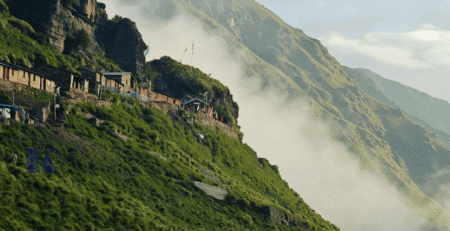
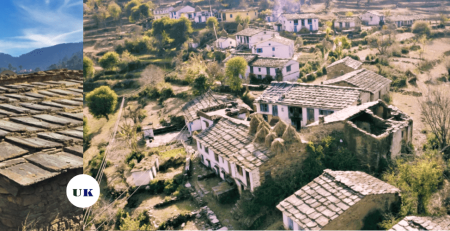
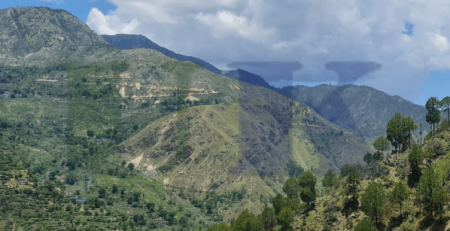
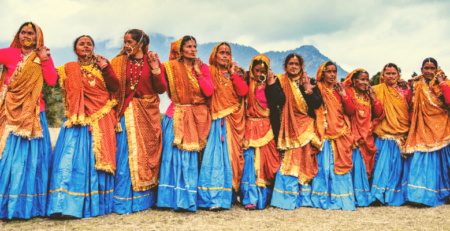
The Garhwali people, indigenous to the mountainous regions of Uttarakhand, were well known for their physical endurance, traditional fighting skills, and deep-rooted valor. The British recognized these qualities and recruited soldiers from the Garhwal region to form the backbone of the regiment. The soldiers’ loyalty, discipline, and commitment to the regiment’s ideals quickly made the Garhwal Rifles one of the most respected units within the British Indian Army.
Role in World War I and World War II
The Garhwal Rifles, like many other regiments of the Indian Army, played a critical role in the World War I (1914-1918) and World War II (1939-1945). In both wars, the regiment proved itself through remarkable acts of bravery, which significantly contributed to its growing reputation.
During World War I, the Garhwal Rifles served in various theaters, including the Middle East and East Africa. They participated in several campaigns, including the Mesopotamian Campaign, where they showcased exceptional resilience and tactical efficiency. The regiment faced numerous challenges, but the soldiers’ ability to adapt to different combat environments and their unwavering resolve earned them numerous accolades.
World War II saw the Garhwal Rifles continue to distinguish itself. The regiment fought in multiple important battles, including in North Africa, Italy, and Burma. The Garhwal Rifles were part of the famous Indian 4th Division, which saw intense combat during the Battle of Monte Cassino and in the difficult terrains of Burma. The regiment’s performance in these theaters was exemplary, and its soldiers received numerous military honors for their gallantry and selfless service.
Post-Independence Role
After India gained independence in 1947, the Garhwal Rifles continued to serve with distinction in the newly formed Indian Army. The regiment played a vital role in several conflicts, maintaining its reputation as a regiment of supreme courage and determination.
One of the most notable post-independence contributions of the Garhwal Rifles came during the 1947-48 Indo-Pakistani War, also known as the First Kashmir War. The regiment’s soldiers participated in the defense of the newly formed Jammu and Kashmir state, protecting it from invasions by Pakistani forces. The soldiers’ performance during this conflict earned the Garhwal Rifles the highest accolades for valor and leadership.
Throughout the decades that followed, the Garhwal Rifles continued to excel in a range of military operations. Their most significant recent contribution came during the Kargil War (1999), when the regiment once again showcased its legendary bravery in the face of extremely challenging conditions. Positioned in the Kargil sector of Jammu and Kashmir, the Garhwal Rifles played a crucial role in the recapture of Indian territory from Pakistani forces. The regiment’s soldiers fought fiercely in the mountainous terrain of Kargil, facing harsh weather conditions, difficult logistics, and entrenched enemy positions. Their performance during this operation earned them widespread recognition and admiration, with several of its soldiers being awarded the Param Vir Chakra, India’s highest gallantry award.
Gallantry and Decorations
Over the years, the Garhwal Rifles has earned a multitude of military decorations and honors in recognition of its outstanding contributions to the Indian Army and the nation. The regiment has earned gallantry awards, including Param Vir Chakra, Mahavir Chakra, Vir Chakra, and Sena Medals, among others.
The Param Vir Chakra is the highest military honor that can be awarded to an Indian soldier, and the Garhwal Rifles has been the recipient of this prestigious award multiple times. These decorations are a testament to the regiment’s enduring legacy of sacrifice and bravery.
One of the most notable recipients of the Param Vir Chakra from the Garhwal Rifles was Major Somnath Sharma. Major Sharma was posthumously awarded the Param Vir Chakra for his heroic actions during the First Kashmir War in 1947. His courage and leadership during the defense of Badgam helped secure the crucial Jammu-Srinagar Highway, and he made the ultimate sacrifice in the line of duty. His name remains synonymous with the regiment’s legacy of valor.
Distinctive Features and Traditions
The Garhwal Rifles, like other regiments in the Indian Army, is steeped in rich traditions and practices that distinguish it from other units. The regiment is known for its high standards of discipline, commitment, and esprit de corps. Soldiers of the Garhwal Rifles are celebrated for their resilience, as they undergo rigorous training designed to prepare them for the harshest conditions and most demanding combat scenarios.
The insignia of the Garhwal Rifles consists of a crossed rifle, signifying their expertise in marksmanship and infantry warfare, adorned with a garland of laurels, symbolizing honor and valor. This emblem encapsulates the regiment’s pride and tradition of excellence.
The regiment also boasts a strong sense of camaraderie and loyalty. These values are passed down through generations of soldiers, creating a brotherhood that transcends time. The bond between soldiers of the Garhwal Rifles is one of unwavering support and respect, which has been crucial to the regiment’s continued success on the battlefield.
Peacekeeping and Internal Security Operations
In addition to its combat achievements, the Garhwal Rifles has also contributed significantly to peacekeeping and internal security operations within India. The regiment has been involved in various operations aimed at maintaining law and order in volatile regions of India, including Jammu and Kashmir, the Northeast, and other areas affected by insurgency and civil unrest.
The Garhwal Rifles’ role in UN peacekeeping missions has also been noteworthy. The regiment’s soldiers have been deployed in various international peacekeeping operations, where they have carried out their duties with distinction, contributing to global peace and stability.
Training and Modernization
As India modernizes its military to address contemporary security challenges, the Garhwal Rifles has kept pace with advancements in warfare and technology. The regiment has incorporated modern training techniques, equipment, and weaponry, ensuring that its soldiers are equipped to handle the evolving nature of warfare.
In addition to their physical and mental training, soldiers of the Garhwal Rifles are trained in advanced weapon systems, including modern firearms, artillery, and specialized equipment. They undergo simulated training in challenging environments, such as mountains, deserts, and forests, preparing them for the complex and varied combat scenarios they may face.
The Legacy of the Garhwal Rifles
The Garhwal Rifles is a testament to the courage, discipline, and sacrifice of the Indian soldier. The regiment’s storied history, its remarkable achievements in battle, and its dedication to the service of the nation have earned it an esteemed place in Indian military history. Today, the Garhwal Rifles continues to inspire future generations of soldiers with its legacy of excellence.
The regiment’s soldiers remain a symbol of the enduring strength of the Indian Army, representing the finest qualities of loyalty, bravery, and patriotism. The Garhwal Rifles has demonstrated time and again that, whether on the battlefield or in peacekeeping missions, the regiment’s commitment to India’s defense is unwavering.
For the people of Uttarakhand and for all of India, the Garhwal Rifles remains an institution of pride, and its legacy will continue to resonate for generations to come.
Here are the FAQs about the Garhwal Rifles :
When was the Garhwal Rifles established?
The Garhwal Rifles was established in 1887 as the 39th (Garhwal) Regiment of the Bengal Army.
Where is the Garhwal Rifles primarily based?
The regiment is composed mainly of Garhwali people from seven districts in Uttarakhand’s Garhwal division.
What is the size of the Garhwal Rifles?
The Garhwal Rifles has over 26,000 soldiers, including 21 regular battalions and additional Territorial Army and Rashtriya Rifles battalions.
What is the role of the Garhwal Rifles in mechanized infantry?
The 1st Battalion of the Garhwal Rifles was converted to mechanized infantry and is part of the Mechanised Infantry Regiment.
What is the significance of the Garhwal Scouts?
The Garhwal Scouts is a specialized battalion of the regiment, known for its high-altitude warfare and reconnaissance capabilities. They are stationed at Joshimath and are nicknamed “The Snow Leopards.”
What is the motto of the Garhwal Rifles?
The regiment’s motto is “Yudhaya Krit Nishchaya” (Fight with Determination), and its war cry is “Badri Vishal Lal Ki Jai.”
Where is the regimental center of the Garhwal Rifles located?
The regimental center is located in Lansdowne, Pauri Garhwal, Uttarakhand.
What prestigious awards has the Garhwal Rifles won?
The Garhwal Rifles has won three Victoria Crosses and one Ashoka Chakra, among many other prestigious awards.
In which wars has the Garhwal Rifles participated?
The regiment has been involved in several wars, including the First and Second World Wars, the 1962 Sino-Indian War, the 1965 and 1971 Indo-Pakistan Wars, and the Kargil War.
What are some key battle honours of the Garhwal Rifles?
Some key battle honours include Tithwal, Jammu and Kashmir, Nuranang, Gadra Road, Kargil, and Operation Pawan.
What is the Garhwal Rifles’ role in peacekeeping missions?
The Garhwal Rifles played an important role in peacekeeping missions, such as Operation Pawan in Sri Lanka.
What are some of the medals and accolades awarded to Garhwal Rifles soldiers?
Soldiers of the regiment have been decorated with numerous medals, including Param Vishisht Seva Medals, Shaurya Chakras, and several battle honours for their bravery and dedication.
What makes Garhwal Rifles known for extreme high-altitude warfare?
Garhwal Rifles soldiers are specially trained for extreme high-altitude warfare, particularly in challenging terrains like the Himalayas.
What is the Garhwal Rifles’ regimental insignia?
The regimental insignia of the Garhwal Rifles is a Maltese cross with the Ashoka Emblem in the center.
What are the Garhwal Rifles’ traditions and legacy?
The Garhwal Rifles has a strong legacy of valor, courage, and service, and its soldiers are known for their resilience and dedication, earning the regiment the nickname “The Gallant Bhullas.”
What notable role did the Garhwal Rifles play in the Kargil War?
The regiment earned accolades for its contributions in the Battle of Hilli, Dras, and Batalik during the Kargil War.
How is the Garhwal Rifles regarded in Indian military history?
The regiment is highly regarded for its military excellence, with a proud tradition of service and sacrifice for the nation.
What is the significance of the Snow Leopards nickname?
The Garhwal Scouts, stationed in Joshimath, are nicknamed “The Snow Leopards” due to their expertise in high-altitude operations and reconnaissance.
Has the Garhwal Rifles ever been involved in international operations?
Yes, the regiment has been involved in international operations such as Operation Pawan in Sri Lanka.
What is the Garhwal Rifles’ legacy in modern warfare?
The Garhwal Rifles continues to be a formidable force in modern warfare, especially in mountainous and high-altitude operations, and is known for its unwavering dedication to national defense.
Garhwal Rifles is not just a military unit – it is a symbol of India’s military heritage, valor, and resilience. From its early days under British India to its crucial role in post-independence wars and peacekeeping efforts, the regiment has consistently exemplified excellence. The Garhwal Rifles’ legacy is woven into the fabric of India’s history, and its soldiers’ bravery will continue to inspire and define the spirit of the Indian Armed Forces.