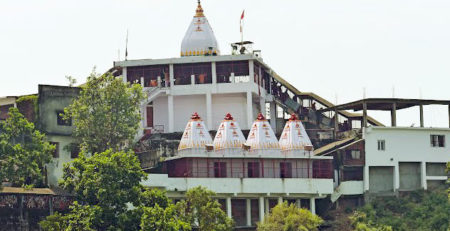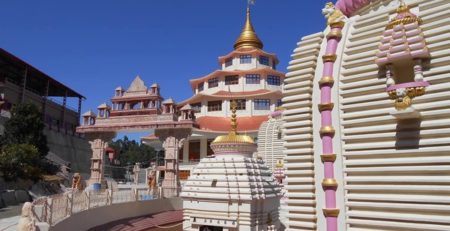
Devidhura Temple
A Unique Cultural and Religious Heritage in Uttarakhand
Located approximately 75 kilometers from Almora in Uttarakhand, Devidhura is an ancient and revered site. Situated in the Champawat district, the temple at Devidhura is renowned for its unique celebration of ‘Bagwal’ during Raksha Bandhan. The significance of Devidhura lies in its rich historical and cultural heritage, making it a distinctive destination.
The Bagwal Festival
One of the notable features of Devidhura is the unique Bagwal festival, held annually on Raksha Bandhan. During this festival, fruits and stones are thrown at one another in a dramatic and intense display. The festival attracts thousands of participants, and it involves four major clans—Chamyal, Gahrwal, Lamgadiya, and Walig—along with warriors from seven different groups. The festival continues until participants are injured and blood is shed. Originally, human sacrifice was part of the tradition, but it was replaced after an elderly woman’s penance, where the deity advised that blood equivalent to one person should be used, leading to the current practice of using fruits and stones.
Legend , Miracle and History
According to local legend, the practice of human sacrifice was once prevalent here. When the time came for the elderly woman’s son to be sacrificed, she performed penance to the deity. The deity instructed her that instead of a human sacrifice, blood equivalent to that of one person should be used. Since then, the practice was changed, and Bagwal now involves the throwing of fruits and stones until injuries and bleeding occur.
Devidhura, a sacred site in Uttarakhand, is renowned not only for its historical and cultural significance but also for its miraculous aspects. The temple’s legends and practices contribute to its mystical reputation:
The Bagwal Festival: The most famous miracle associated with Devidhura is the Bagwal festival, held annually on Raksha Bandhan. This unique festival, which was once marked by animal sacrifice, now involves throwing fruits and stones, symbolizing a transformative divine intervention. The story goes that a revered elder woman prayed to the goddess to replace the practice of animal sacrifice with a ritual involving human blood in a less harmful manner. In response, the goddess decreed that blood equivalent to that of a single person should be shed, leading to the present practice of throwing fruits and stones until blood is drawn.
Divine Intervention: The transition from animal sacrifice to the current ritual is considered a miraculous event. The divine intervention is believed to have spared the lives of countless animals, showcasing the goddess’s compassion and responsiveness to devotees’ prayers.
Healing Powers: Local lore also suggests that the temple possesses healing powers. Devotees claim that worshiping at Devidhura and participating in the Bagwal festival can bring about significant personal and spiritual healing, reinforcing the temple’s reputation as a place where miracles occur.
Preservation of Tradition: The temple has become a symbol of the preservation of ancient traditions in a modern context. The continuity of the Bagwal festival, despite its evolving nature, highlights the temple’s role in maintaining cultural heritage while adapting to contemporary values.
Devidhura’s miracles, especially those related to the Bagwal festival and its transition from sacrificial rites to symbolic rituals, continue to inspire awe and reverence among devotees and visitors alike.
Temple Features
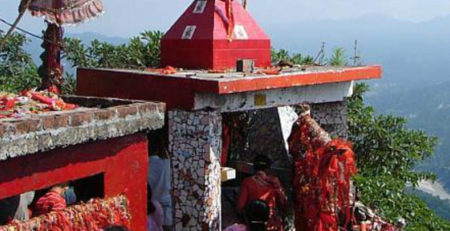
The Devidhura temple is celebrated for its religious and historical significance. The temple houses ancient religious artifacts and sculptures that reflect its traditional beliefs and practices. It serves as a prominent pilgrimage site, drawing devotees and tourists alike for its religious rites and cultural festivities.
Cultural Significance
The Bagwal festival at Devidhura is not just a religious ritual but also a cultural celebration. It symbolizes the local culture and traditional beliefs of Uttarakhand. The festival, which takes place on Raksha Bandhan, sees participation from thousands of people from the village and surrounding areas, preserving this ancient tradition.
Modern Changes
Over time, there have been some modern adaptations to the Bagwal festival. Although the core traditions and religious significance remain intact, the practice of human sacrifice has been replaced by the throwing of fruits and stones. This change reflects how traditions can be preserved while adapting to contemporary values and practices.
Conclusion
Devidhura is a historic and cultural treasure that holds a special place in Uttarakhand’s religious and cultural landscape. The Bagwal festival, with its religious importance and cultural vibrancy, makes Devidhura a unique and cherished location. The site not only represents a center of religious faith but also stands as a significant part of the cultural heritage of the region.