Chanchari: The Heartbeat of Garhwali and Kumaoni Folk Culture

Chanchari is a beautiful reflection of the Kumaoni and garhwali way of life, filled with joy, warmth, and a deep sense of community. Its lively rhythms, soulful lyrics, and spirited dance movements make it a captivating experience for both performers and audiences. As an enduring symbol of Kumaon’s cultural identity, Chanchari continues to connect generations, celebrating the region’s rich heritage with every beat and melody.
Chanchari is one of the most celebrated folk songs and dance forms in the Kumaon region of Uttarakhand. Known for its lively rhythm and communal spirit, Chanchari is traditionally performed during festivals, social gatherings, and cultural events. The song’s upbeat tempo, combined with synchronized group dancing, makes it a key part of Kumaoni festivities.
The lyrics of Chanchari often revolve around themes of love, nature, and rural life, reflecting the joys and struggles of everyday existence in the hills. The dance associated with Chanchari involves participants forming a circle and moving rhythmically to the beats, creating an atmosphere of unity and collective celebration. Whether it’s during a harvest festival or a community celebration, Chanchari brings people together, fostering a sense of belonging and cultural pride. Its vibrant melodies and energetic dance moves continue to be an integral part of Kumaoni tradition, preserving the region’s rich cultural heritage.
The Musical Structure of Chanchari
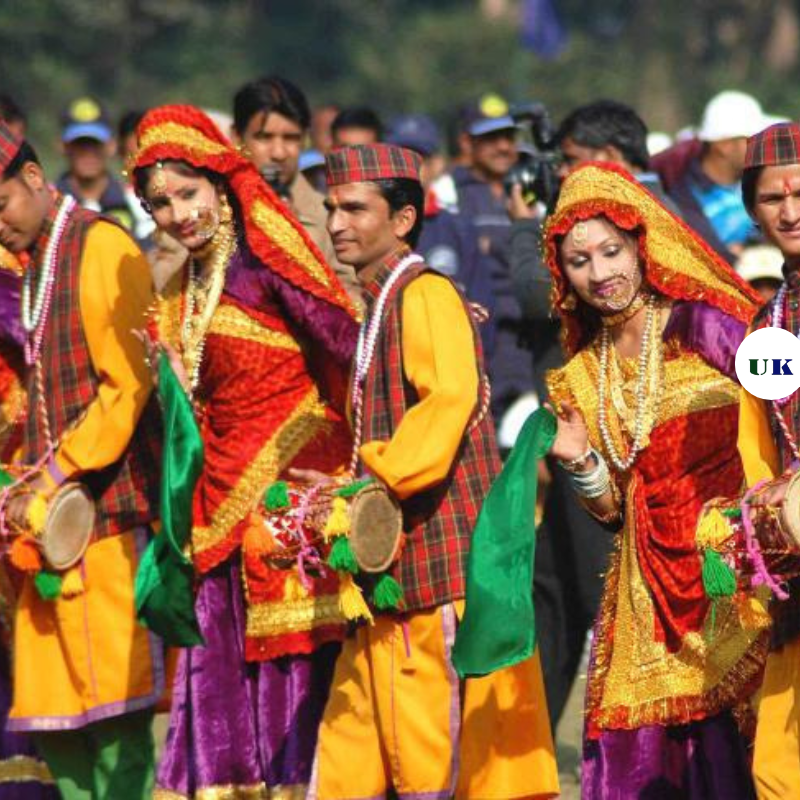
Chanchari’s music is defined by rhythmic beats produced by traditional instruments such as the dhol, damau, and hurka. The dhol and damau, which are drum-like instruments, provide the base rhythm, while the hurka, a smaller drum, adds intricate beats and fills. The music is complemented by vocals that follow a call-and-response pattern, with one singer leading and the others responding in unison. The lyrics are often repetitive, allowing participants to easily join in, even if they don’t know the full song.
The songs typically express themes like love, the beauty of nature, and the joys and struggles of life in the mountains. These themes resonate with the daily experiences of the Garhwali and Kumaoni people, making the music deeply relatable. The lyrics are filled with poetic imagery that reflects the region’s deep connection to nature, with references to blooming flowers, flowing rivers, and majestic mountains.
Cultural Preservation and Evolution
Over the years, Chanchari has evolved while retaining its core elements. Traditional Garhwali and Kumaoni Chanchari songs are being reinterpreted by contemporary artists, blending them with modern instruments and arrangements while preserving the essence of the original melodies. Cultural organizations in Uttarakhand are actively working to document and promote Chanchari, ensuring that it remains a vibrant part of the regional identity.
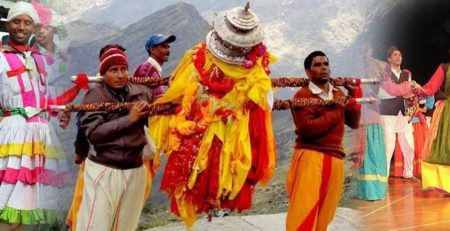
In villages across Garhwal and Kumaon, Chanchari is still performed in its original form, keeping the tradition alive in its most authentic state. During special events and gatherings, it’s common to see entire communities come together to sing and dance, passing on the tradition to younger generations.
The Dance and Its Symbolism
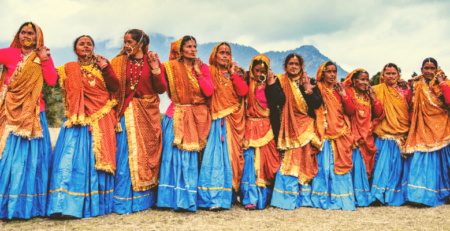
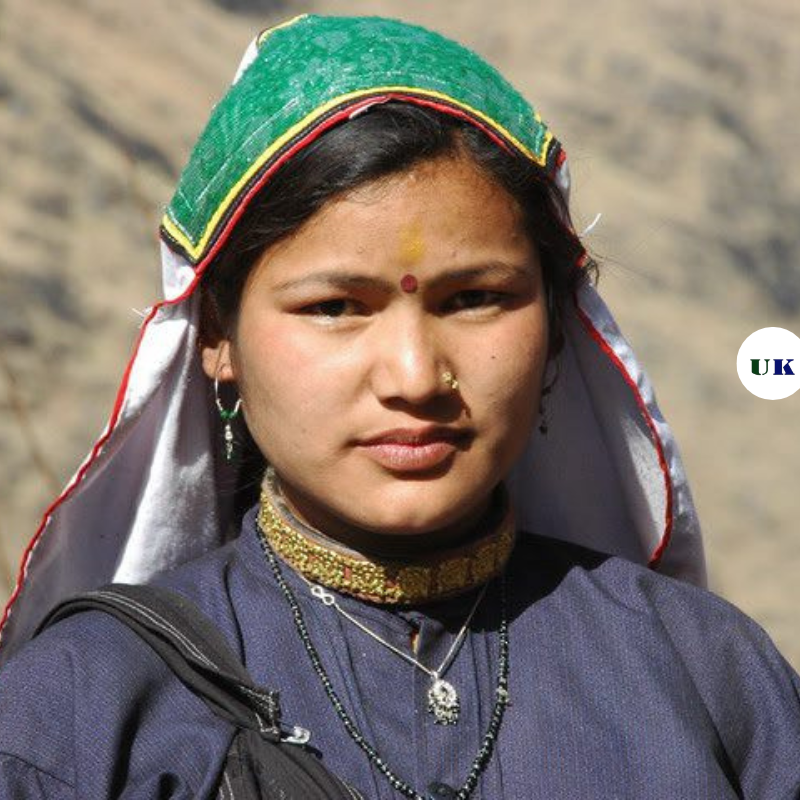
The circular formation in which Chanchari is danced is symbolic of unity and togetherness. Participants, often dressed in traditional Garhwali and Kumaoni attire, hold hands and move in synchronized steps to the rhythm of the music. The dance starts slowly and gradually picks up pace, building excitement and energy among the participants. The circular pattern also symbolizes the cyclical nature of life, with its endless rhythm of seasons, celebrations, and rituals.
Chanchari is inclusive and open to all, allowing people of all ages and backgrounds to participate. The simplicity of the dance steps and the repetitive nature of the music make it accessible, ensuring that everyone, from young children to the elderly, can join in. This inclusiveness strengthens community bonds and keeps the tradition alive across generations.
Occasions for Performing Chanchari
Chanchari is performed during a wide range of social and religious events, making it an integral part of Garhwali and Kumaoni cultural life. Some of the occasions include:
- Festivals: Chanchari is a central feature during festivals like Harela (celebrating the onset of the monsoon) and Ghughuti (welcoming spring). These festivals are deeply connected to nature and agriculture, and Chanchari captures the celebratory mood through its lively rhythms and joyous themes.
- Weddings: During weddings, Chanchari songs are sung to bless the bride and groom and bring good fortune. The songs highlight the importance of love, fidelity, and the blessings of elders in the couple’s new journey together.
- Seasonal Celebrations: With its themes of nature and life cycles, Chanchari is often performed during seasonal transitions, marking key times like harvest season or the first bloom of spring.
Chanchari is a beautiful and dynamic representation of the cultural spirit of Garhwal and Kumaon. Through its joyous music and rhythmic dance, it continues to bring people together, fostering unity and celebrating the essence of community life. Whether performed in a remote village or on a larger stage, Chanchari remains a vital part of Garhwali and Kumaoni identity, echoing the melodies and stories of regions rich in tradition and natural beauty. As it evolves and adapts, Chanchari remains timeless, preserving the unique cultural heritage of Uttarakhand while offering a window into the soul of these two regions.