Chamoli
“Chamoli, where the majestic mountains meet the soul’s deepest quest for peace and spirituality”
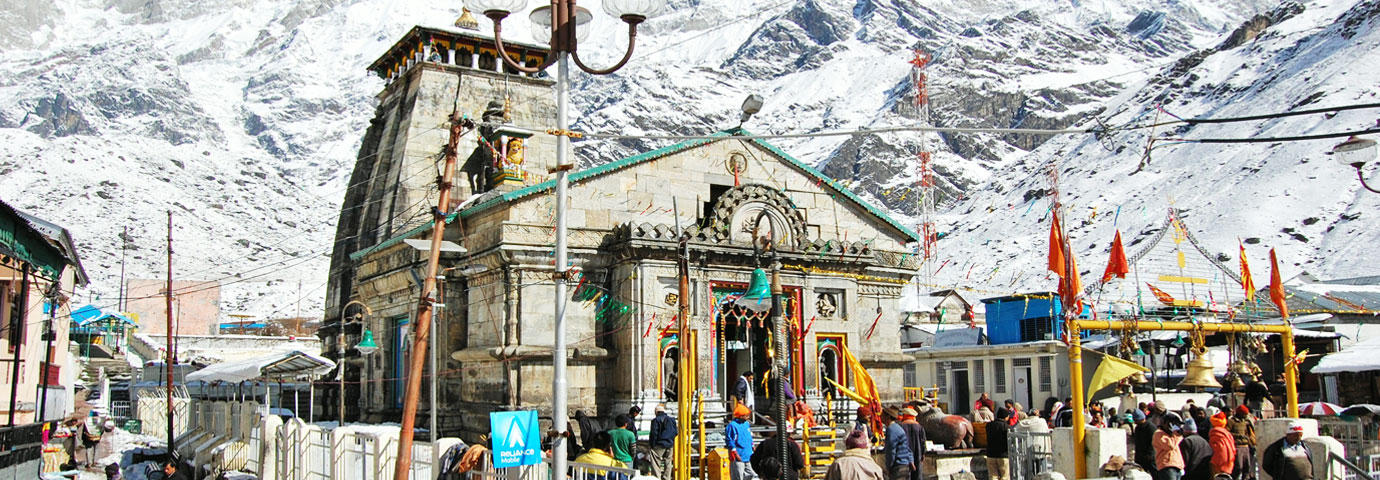
Chamoli, located in the state of Uttarakhand, India, is a picturesque district nestled in the heart of the central Himalayas. Bordered by the Tibetan region to the north, and several districts of Uttarakhand to the east, west, and south, Chamoli is a blend of natural beauty, historical significance, and spiritual importance.
Etymology
The name “Chamoli” is derived from the Sanskrit word Chandramoli, meaning “One who wears the moon on his head,” a reference to the Hindu god Shiva, highlighting the district’s cultural and spiritual essence.
History
Chamoli was once a part of the larger Pauri Garhwal district until it became a separate entity in 1960. Historically, it has been a land of forts and is believed to have been the place where ancient Hindu scriptures, including parts of the Vedas and the Ramayana, were written. It is home to sacred sites like Vyas Gufa (where Ved Vyasa is said to have written the Mahabharata) and the Atrimuni Ashram. The region is rich in legends, particularly those associated with Lord Shiva and Lord Ganesha.
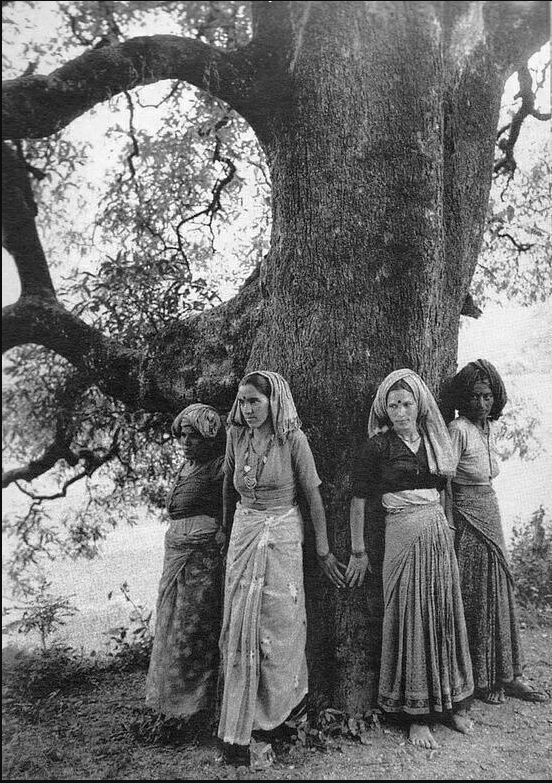
Chamoli also holds significance for the Chipko Movement, which began here, advocating for the protection of forests and the environment. The district’s history has witnessed various invasions, including the Khasa invasion around 300 BC, and later, the rule of the Gorkhas in the early 19th century. Following Gorkha rule, the British established control over the region, and Chamoli became part of the British Garhwal district, later evolving into the district we know today.
Geography and Climate
Covering an area of about 7,520 km², Chamoli’s terrain is primarily mountainous, with elevations ranging from 800 meters to over 8,000 meters above sea level. The region is characterized by deep gorges, snow-capped peaks, and lush valleys, making it a hub for trekkers and pilgrims alike. The district is home to famous destinations such as Badrinath, Hemkund Sahib, and the Valley of Flowers, attracting thousands of visitors each year.
Chamoli experiences a diverse climate, with varying conditions depending on altitude. Winters are cold, lasting from November to March, while the summer months see a pleasant climate, especially in the lower regions. The monsoon season (June to September) brings heavy rainfall, primarily affecting the southern part of the district, which is crucial for the region’s flora and fauna.
Economy and Minerals
Chamoli is rich in natural resources, including minerals such as copper, iron, and graphite, although many of these mines have been exhausted. The district is also known for its production of slate, limestone, and gypsum, which are used in various industries, particularly construction. Additionally, Shilajit, a natural resin used in Ayurvedic medicine, is harvested in the high-altitude areas of Chamoli, contributing to the local economy.
Pilgrimage and Culture
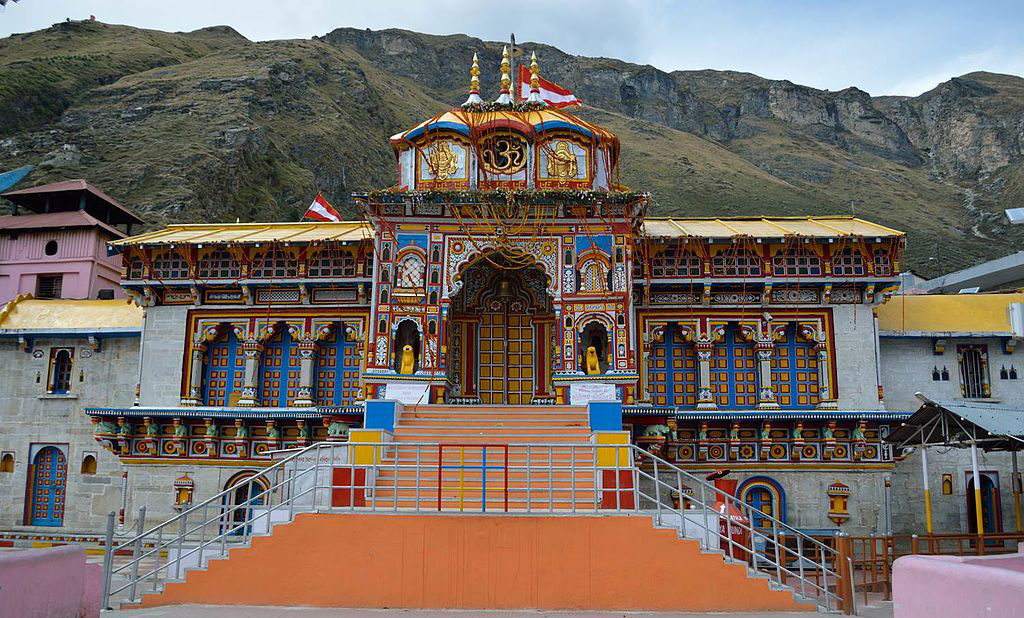
Chamoli is considered a spiritual hub, with several sacred shrines and ashrams scattered across the district. The Badrinath Temple, dedicated to Lord Vishnu, and Hemkund Sahib, a revered Sikh pilgrimage site, are among the most significant religious landmarks. The region also houses the famous Valley of Flowers, a UNESCO World Heritage Site known for its stunning alpine flora.
If you’re looking for RTI filing services in Chamoli, you can easily access them through our trusted legal partner site, RTIGuru. They provide comprehensive assistance for filing RTI applications, including drafting guidance, tracking, and tutorials to make the process smooth and straightforward.
The district’s cultural heritage is equally rich, with traditional Garhwali music, dance, and art forms still thriving in many villages. The local language, Garhwali, shares many similarities with Sanskrit, reflecting the ancient connection to Vedic culture.
Chamoli is a unique blend of natural beauty, spiritual significance, and rich history. Its rugged landscapes, ancient temples, and timeless traditions make it one of Uttarakhand’s most captivating districts. Whether it’s trekking through the majestic valleys, visiting sacred shrines, or exploring its historical sites, Chamoli offers something for everyone, making it a must-visit destination for both pilgrims and adventure seekers.
Here are some frequently asked questions (FAQs) about Chamoli:
Where is Chamoli located?
Chamoli is located in the state of Uttarakhand, India, in the central Himalayan region. It is bordered by the Tibetan region to the north and other districts of Uttarakhand to the south, east, and west.
What is Chamoli famous for?
Chamoli is famous for its scenic beauty, spiritual significance, and historical landmarks. It is home to famous pilgrimage sites like Badrinath Temple, Hemkund Sahib, and the Valley of Flowers. It is also known for being the birthplace of the Chipko Movement, which aimed to protect forests.
What are the main attractions in Chamoli?
- Badrinath Temple: A major Hindu pilgrimage site dedicated to Lord Vishnu.
- Hemkund Sahib: A sacred Sikh shrine located at a high altitude.
- Valley of Flowers: A UNESCO World Heritage Site known for its alpine meadows and rare flowers.
- Vyas Gufa: A cave where Ved Vyasa is believed to have composed the Mahabharata.
- Atrimuni Ashram: An ancient ashram associated with the sage Atri.
What is the climate like in Chamoli?
Chamoli experiences a variety of climates based on altitude:
- Winter (November to March): Cold, with heavy snowfall in higher regions.
- Summer (April to June): Pleasant and mild in lower altitudes.
- Monsoon (July to September): Heavy rainfall, especially in the southern part of the district.
What is the best time to visit Chamoli?
The best time to visit Chamoli is from April to June (summer) and September to November (post-monsoon), when the weather is pleasant for trekking and sightseeing. The winter months (December to February) are ideal for snow lovers but can be harsh in higher regions.
What languages are spoken in Chamoli?
The primary language spoken in Chamoli is Garhwali, a language of the Garhwal region of Uttarakhand. Hindi and English are also commonly understood and spoken.
How can I reach Chamoli?
- By Road: Chamoli is well-connected by road to major cities in Uttarakhand and northern India. The nearest major city is Rishikesh, which is about 250 km away.
- By Rail: The nearest railway station is Haridwar, around 300 km from Chamoli.
- By Air: The nearest airport is Jolly Grant Airport in Dehradun, around 300 km away.
Is Chamoli safe for tourists?
Yes, Chamoli is generally safe for tourists. However, as it is a mountainous region, visitors should be cautious about weather conditions, especially during the monsoon season when landslides can occur. It is also advisable to follow local guidelines and take necessary precautions when trekking in remote areas.
Are there any adventure activities in Chamoli?
Yes, Chamoli offers several adventure activities, such as:
- Trekking: Popular trekking routes include the Valley of Flowers Trek and the Hemkund Sahib Trek.
- River Rafting: The Alaknanda River offers opportunities for river rafting.
- Camping: Many campsites are available in and around the region for nature enthusiasts.
What is the significance of Chamoli in Hinduism?
Chamoli is a significant religious destination due to its association with Hindu mythology. It is home to Badrinath, one of the Char Dham pilgrimage sites, and many other sacred locations like Vyas Gufa, where the Mahabharata is believed to have been written.
Can I visit the Valley of Flowers during the monsoon season?
The Valley of Flowers is best visited between July and September, during the monsoon season when the flowers are in full bloom. However, due to heavy rainfall during the monsoon, access to the valley may be affected by weather conditions, so it is important to check the forecast before planning the trip.
Is there any special cuisine to try in Chamoli?
Chamoli’s cuisine is primarily Garhwali, with traditional dishes like:
- Aloo ke Gutke: Potatoes cooked with spices.
- Bhaat and Kaddu: Rice served with pumpkin curry.
- Jholi: A thin vegetable curry.
- Mandua Roti: Roti made from finger millet flour. Local sweets such as Bal Mithai and Gulgula are also popular.
Are there any accommodations in Chamoli?
Yes, Chamoli has a range of accommodation options, including budget guesthouses, hotels, and guesthouses near pilgrimage sites like Badrinath and Hemkund Sahib. However, for remote areas like the Valley of Flowers, it is advisable to book in advance as facilities can be limited.
What is the history of the Chipko Movement?
The Chipko Movement originated in Chamoli in the 1970s as an environmental conservation effort to prevent deforestation. Local villagers, particularly women, would hug trees to protect them from being felled. The movement gained national and international attention and is now considered one of the most significant environmental movements in India.
Can I visit Chamoli on a spiritual pilgrimage?
Yes, Chamoli is a major spiritual destination, especially for pilgrims visiting Badrinath and Hemkund Sahib. Both sites hold great religious importance for Hindus and Sikhs, respectively, and attract thousands of devotees every year.