Brahma Kamal
The Sacred Flower of Uttarakhand
The Brahma Kamal (Saussurea obvallata), Uttarakhand’s state flower, is a rare and revered marvel found in the higher reaches of the Himalayas, growing at elevations of 3,000 to 4,600 meters. This unique flower, which blooms in the heart of the monsoon season, is known for its striking appearance and deep cultural significance. The name “Brahma Kamal” translates to “The Lotus of Brahma,” symbolizing purity, spirituality, and the divine.
Appearance and Habitat
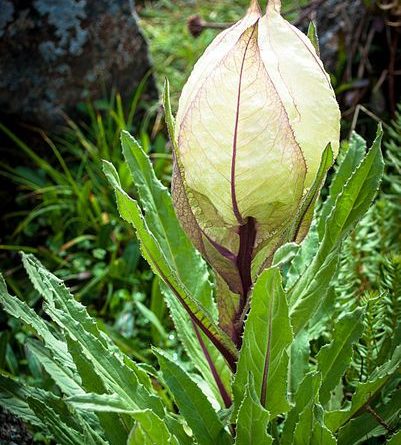
The flowerheads of the Brahma Kamal are a mesmerizing shade of purple, hidden within layers of yellow-green, boat-shaped bracts that shield the delicate blooms from the harsh mountain climate. These papery bracts provide protection in the cold alpine environment, ensuring the flower’s survival in extreme conditions. The plant thrives in high-altitude areas such as the Valley of Flowers and Kedarnath Wildlife Sanctuary, where it blooms during the peak of the monsoon season.
Despite its beauty, the flower remains elusive due to its short blooming period, which typically lasts until mid-October. Afterward, the plant’s above-ground parts wither away, only to reappear in full glory in April.
Mythological and Spiritual Significance
The Brahma Kamal holds a special place in Hindu mythology. It is closely associated with Lord Brahma, the creator of the universe, who is often depicted seated on a large lotus and holding one in his hand. The flower’s name is believed to reference this sacred connection, as “Kamal” means lotus, and “Brahma” refers to the deity. Some ancient texts describe Brahma as being born from a lotus that emerged from Lord Vishnu’s navel, further reinforcing the flower’s divine connection.
In Uttarakhand, the Brahma Kamal is considered a sacred offering, especially in revered temples like Kedarnath and Badrinath. Devotees believe that offering this rare flower to the gods brings blessings and fulfills desires. Its deep spiritual significance has made it a symbol of purity and transcendence in the region’s culture.
Cultural and Ecological Importance
Beyond its mythological roots, the Brahma Kamal plays an important ecological role in the high-altitude environments where it grows. The flower’s ability to survive in extreme conditions exemplifies nature’s resilience and beauty at such heights. For local communities, it is not only a symbol of spiritual connection but also a representation of the region’s rich biodiversity.
The Brahma Kamal also holds medicinal value in traditional practices. Its thick, fleshy leaves are sometimes used in herbal remedies, although its sacred status discourages over-harvesting. Conservation efforts are ongoing to protect this rare flower, which faces threats from climate change and human activity.
The Lotus of Brahma: Symbol of Purity and Divinity
As Uttarakhand’s state flower, the Brahma Kamal embodies the spiritual essence of the region. It serves as a bridge between the natural and divine worlds, symbolizing purity, resilience, and the profound connection between the people of Uttarakhand and their sacred landscape.
This rare and beautiful flower is a reminder of the majesty of nature, as well as the enduring traditions and beliefs that define the region. Whether seen as a botanical wonder or a spiritual symbol, the Brahma Kamal continues to inspire awe and reverence in all who encounter it.
FAQ on the Brahma Kamal: Uttarakhand’s State Flower
What is the Brahma Kamal?
The Brahma Kamal (Saussurea obvallata) is a rare and revered flower found in the higher reaches of the Himalayas. It is Uttarakhand’s state flower and is known for its striking beauty and deep cultural significance.
Where does the Brahma Kamal grow?
The flower thrives in high-altitude regions, particularly between 3,000 and 4,600 meters. It can be found in areas such as the Valley of Flowers and the Kedarnath Wildlife Sanctuary.
When does the Brahma Kamal bloom?
The Brahma Kamal blooms during the monsoon season, with its short blooming period lasting until mid-October. The plant reappears in full bloom in April after its above-ground parts wither away during winter.
What does the Brahma Kamal look like?
The flowerheads are a mesmerizing purple, hidden within yellow-green, boat-shaped bracts that protect the blooms from the harsh alpine climate. These papery bracts help the flower survive extreme cold conditions.
Why is the Brahma Kamal considered sacred?
The flower is deeply rooted in Hindu mythology and is associated with Lord Brahma, the creator of the universe. It is often offered in temples like Kedarnath and Badrinath, symbolizing purity, spirituality, and divine blessings.
What cultural significance does the flower hold?
The Brahma Kamal is considered a sacred offering in Uttarakhand, believed to bring blessings and fulfill desires. It also represents the resilience and biodiversity of the region, acting as a bridge between the natural and spiritual worlds.
Does the Brahma Kamal have medicinal uses?
Yes, the thick, fleshy leaves of the Brahma Kamal are used in traditional herbal remedies. However, its sacred status discourages over-harvesting to ensure conservation.
What threats does the Brahma Kamal face?
The flower faces threats from climate change and human activities like over-collection. Conservation efforts are in place to protect this rare and ecologically significant species.
Why is the flower called “The Lotus of Brahma”?
The name “Brahma Kamal” translates to “The Lotus of Brahma.” It symbolizes purity and divinity and is believed to be connected to Lord Brahma, who is often depicted with a lotus.
How does the Brahma Kamal contribute to Uttarakhand’s identity?
As Uttarakhand’s state flower, the Brahma Kamal embodies the region’s spiritual essence, rich biodiversity, and cultural traditions. It inspires awe and reverence, representing the unique heritage of the Himalayas.