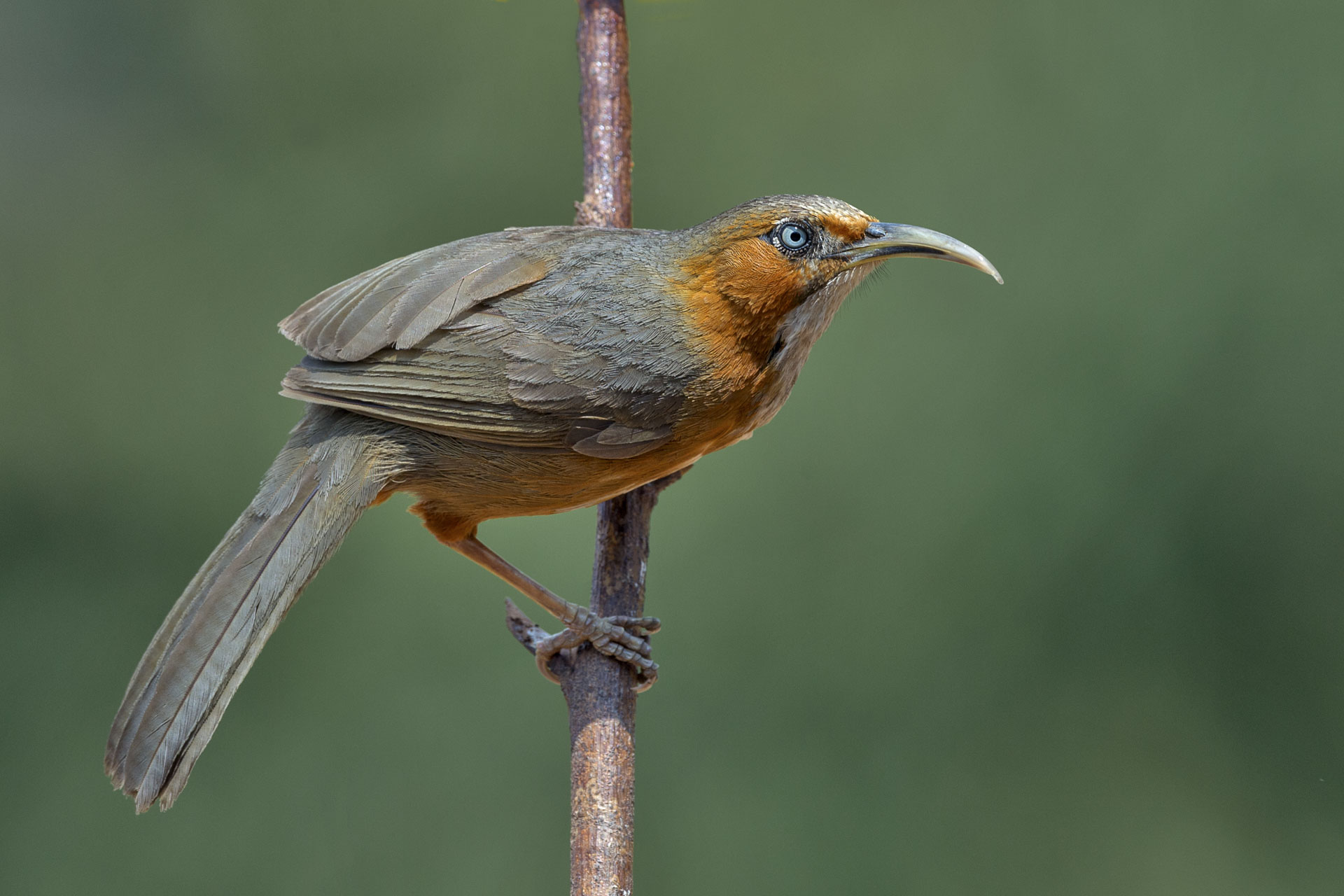
Uttarakhand Birds
Uttarakhand birds thrive in the state’s diverse landscapes, from dense forests to high-altitude meadows, making it a haven for birdwatchers and nature enthusiasts. Home to over 600 bird species, the region boasts the majestic Himalayan Monal, the state bird known for its dazzling plumage. Other notable species include the Lammergeier, Cheer Pheasant, and Himalayan Griffon. These birds inhabit various ecosystems, ranging from the oak and rhododendron forests of Chopta to the alpine expanses of the Valley of Flowers. Migratory birds also visit during different seasons, adding to the region’s avian diversity.
Uttarakhand birds can be spotted in renowned birdwatching destinations like Jim Corbett National Park, Pangot, and Kedarnath Wildlife Sanctuary. These locations offer breathtaking sights of parakeets, warblers, thrushes, and birds of prey soaring through the skies. Whether you are an avid birder or a casual observer, the rich avifauna of Uttarakhand provides a mesmerizing experience in the heart of the Himalayas.
📍 Best Birdwatching Locations in Uttarakhand
🌲 Binsar Wildlife Sanctuary
Located in Almora district, Binsar is a paradise for bird lovers, with over 200 species thriving in its lush forests. The sanctuary offers spectacular views of the Himalayas and is home to Monals, Jays, and Vultures.
🐅 Jim Corbett National Park
While famous for its Bengal Tigers, Jim Corbett is also a birdwatcher’s delight with over 650 species recorded. Raptors like Crested Serpent Eagles and water birds like Kingfishers are commonly spotted here.
⛰️ Kedarnath Wildlife Sanctuary
High-altitude birds like Snow Partridge, Himalayan Snowcock, and Western Tragopan are found in this Himalayan sanctuary, which is a significant biodiversity hotspot.
🏞️ Sattal & Pangot
These picturesque locations near Nainital boast a stunning variety of colorful songbirds, including the Asian Paradise Flycatcher, Minivets, and Woodpeckers.
🌊 Asan Barrage
A must-visit for winter birdwatching, Asan Barrage attracts migratory birds like Bar-headed Geese, Northern Pintails, and Ruddy Shelducks from Siberia and Central Asia.
🦜 Rare & Endangered Birds of Uttarakhand
👑 Western Tragopan (Tragopan melanocephalus)
- Status: Vulnerable
- Location: High-altitude forests in Kedarnath Wildlife Sanctuary
- Fact: Known as the “King of Pheasants,” it has one of the most colorful plumages among Himalayan birds.
🎭 Cheer Pheasant (Catreus wallichii)
- Status: Near Threatened
- Location: Oak forests of Kedarnath and Mussoorie
- Fact: It camouflages itself among dry leaves, making it difficult to spot.
❓ Himalayan Quail (Ophrysia superciliosa)
- Status: Possibly Extinct
- Last Seen: 1876 near Mussoorie
- Fact: Despite several efforts, no confirmed sighting has been recorded in over 100 years.
🦢 Migratory Birds in Uttarakhand
🛫 Bar-headed Goose (Anser indicus)
- Migrates from: Tibet and Mongolia
- Found in: Asan Barrage, Tehri Lake
- Fact: It flies at heights up to 9,000 meters, higher than Mount Everest.
🍂 Ruddy Shelduck (Tadorna ferruginea)
- Migrates from: Russia and Central Asia
- Found in: Nainital Lakes, Ramganga River
- Fact: Also called “Brahminy Duck,” it mates for life.
🦅 Birds of Prey in Uttarakhand
🕊️ Himalayan Griffon Vulture (Gyps himalayensis)
- Status: Near Threatened
- Found in: Corbett National Park, Binsar
- Fact: One of the largest vultures in the world, with a wingspan of up to 2.8 meters.
⚡ Golden Eagle (Aquila chrysaetos)
- Status: Least Concern
- Found in: High-altitude regions of Kedarnath and Valley of Flowers
- Fact: A powerful hunter, it can capture prey as large as a fox.
🌈 Colorful Birds of Uttarakhand
🦚 Himalayan Monal (Lophophorus impejanus)
- Status: Least Concern
- Found in: Kedarnath Wildlife Sanctuary
- Fact: The state bird of Uttarakhand, admired for its brilliant iridescent feathers.
🎀 Asian Paradise Flycatcher (Terpsiphone paradisi)
- Status: Least Concern
- Found in: Sattal, Pangot forests
- Fact: The male has an extraordinarily long white tail, sometimes longer than its body.
🌙 Nocturnal Birds & Owls of Uttarakhand
🔍 Collared Owlet (Glaucidium brodiei)
- Status: Least Concern
- Found in: Kedarnath and Mussoorie forests
- Fact: The smallest owl species in the Himalayas, only 15 cm long.
🦉 Brown Fish Owl (Ketupa zeylonensis)
- Status: Least Concern
- Found in: Jim Corbett National Park
- Fact: Unlike most owls, it is active during the day and hunts for fish.
⚠️ Threats to Birdlife in Uttarakhand
- 🌲 Deforestation – Loss of natural nesting sites.
- 🌡️ Climate Change – Disturbing migratory patterns.
- 🛢️ Pollution – Contaminating wetlands, impacting water birds.
- 🚫 Poaching & Illegal Trade – Some birds are hunted for their feathers or as pets.
🌍 Conservation Efforts & How You Can Help
- 🏞️ Wildlife Sanctuaries: Protected areas help conserve bird habitats.
- 👀 Responsible Birdwatching: Avoid disturbing birds in their natural habitat.
- 📢 Awareness Programs: Support organizations working on bird conservation.
🌱 How You Can Help
✅ Support Wildlife Sanctuaries – Visit eco-friendly tourism destinations to help fund conservation efforts.
✅ Avoid Disturbing Bird Habitats – Keep a safe distance while birdwatching.
✅ Reduce Plastic Waste – Protect wetlands and birds from pollution.
✅ Join Birdwatching Programs – Spread awareness about bird conservation.
✅ Plant Trees – Create natural habitats for birds.
FAQs about Birds of Uttarakhand
What makes Uttarakhand a great place for birdwatching?
Uttarakhand’s diverse geography, ranging from lush forests and grasslands to high-altitude meadows and riverbanks, makes it an ideal habitat for a wide variety of bird species. The state boasts over 600 recorded bird species, including both resident and migratory birds. Uttarakhand is home to some of the most renowned birdwatching destinations in India, such as Pangot, Sattal, Jim Corbett National Park, Binsar Wildlife Sanctuary, and Kedarnath Wildlife Sanctuary. The region’s varying altitudes allow bird enthusiasts to witness everything from Himalayan raptors to vibrant forest birds, making it a paradise for ornithologists and wildlife photographers.
Which is the state bird of Uttarakhand?
The Himalayan Monal (Lophophorus impejanus) is the official state bird of Uttarakhand. This dazzling pheasant, also known as the “Bird of Nine Colors,” exhibits iridescent plumage with shades of blue, green, red, and gold. Found at elevations ranging from 2,500 to 4,500 meters, it prefers dense rhododendron forests and alpine meadows. The Himalayan Monal is particularly common in protected areas such as the Kedarnath Wildlife Sanctuary, Valley of Flowers, and Nanda Devi Biosphere Reserve. Due to its striking beauty, it is often sought after by birdwatchers and photographers visiting Uttarakhand’s high-altitude regions.
What are some rare bird species found in Uttarakhand?
Uttarakhand is home to several rare and elusive bird species that attract birdwatchers from around the world. These include:
- Himalayan Griffon (Gyps himalayensis): One of the largest Old World vultures, known for its crucial role in scavenging ecosystems.
- Satyr Tragopan (Tragopan satyra): A brilliantly colored pheasant with red and orange plumage, often spotted in rhododendron forests.
- Collared Owlet (Glaucidium brodiei): The smallest owl species in Uttarakhand, measuring only 15 cm in length.
- Bar-Tailed Treecreeper (Certhia himalayana): A tiny bird known for its camouflage against tree bark while foraging for insects.
- Black Francolin (Francolinus francolinus): Found in grasslands and foothills, this ground-dwelling bird is recognized by its striking black-and-golden feathers.
Where can I go for birdwatching in Uttarakhand?
Uttarakhand offers some of the best birdwatching locations in India, each with unique ecosystems that attract different bird species. Some of the top birdwatching destinations include:
- Pangot and Sattal (Near Nainital): These are among India’s best birding spots, home to over 250 species, including woodpeckers, flycatchers, and thrushes.
- Binsar Wildlife Sanctuary: A dense forested area rich in oak and rhododendron trees, making it an excellent habitat for the Black-headed Jay, Eurasian Jay, and Himalayan Woodpecker.
- Jim Corbett National Park: India’s first national park is not just famous for tigers but also houses raptors, kingfishers, hornbills, and migratory species.
- Chopta and Kedarnath Wildlife Sanctuary: These areas are known for high-altitude birds like the Monal, Tragopan, and Snow Partridge.
Which migratory birds visit Uttarakhand?
Uttarakhand serves as a winter and summer stopover for several migratory bird species traveling from distant regions such as Siberia, Central Asia, and Europe. Some of the most notable migratory birds include:
- Bar-headed Geese (Anser indicus): These geese fly over the Himalayas at altitudes of more than 29,000 feet, one of the highest migrations in the world.
- Black Stork (Ciconia nigra): Prefers riverbanks and marshlands, seen in Rajaji and Corbett National Parks.
- Eurasian Wigeon (Mareca penelope): Found in large flocks in wetlands like Bhimtal and Sattal during winter.
- Ruddy Shelduck (Tadorna ferruginea): Also called the “Brahminy Duck,” it is often seen along the Ganges and other freshwater lakes.
What is the best time for birdwatching in Uttarakhand?
Birdwatching in Uttarakhand is a year-round activity, but the best seasons vary based on the species you want to observe.
- Winter (November to February): The ideal season to witness migratory birds like the Bar-headed Geese, Wagtails, and Ducks in lower-altitude regions and wetlands.
- Spring and Summer (March to June): The best time for spotting high-altitude species such as the Himalayan Monal, Koklass Pheasant, and Tragopans. Many birds also engage in breeding during this time.
- Monsoon (July to September): While birding is challenging due to rain, it is an excellent period to see resident birds in lush green surroundings.
How can I identify birds while birdwatching?
Bird identification requires patience and keen observation. The key factors to note when identifying birds include:
- Size and shape: Compare the bird’s overall structure with familiar species.
- Color patterns and markings: Look for distinctive colors, streaks, or patches.
- Beak shape and size: Helps determine the bird’s diet and species classification.
- Habitat and behavior: Birds prefer specific environments, such as forests, wetlands, or mountains.
- Calls and songs: Many birds have unique vocalizations that make identification easier.
To improve identification, use a bird field guide or apps like Merlin Bird ID and eBird, which provide sound recognition and image matching tools.
Are there any bird conservation efforts in Uttarakhand?
Yes, Uttarakhand has implemented several conservation initiatives to protect its rich avian biodiversity. Key conservation efforts include:
- Wildlife Sanctuaries and Protected Areas: Parks like Jim Corbett, Rajaji, and Binsar provide safe habitats for birds.
- Anti-Poaching Laws and Regulations: The Indian government enforces strict policies to prevent illegal bird trade and hunting.
- Eco-Tourism and Birding Awareness Programs: Many eco-tourism projects encourage responsible birdwatching, reducing human impact on fragile ecosystems.
- Afforestation and Habitat Restoration: Several initiatives focus on restoring degraded forests, ensuring nesting and feeding grounds remain intact.
Can I take guided birdwatching tours in Uttarakhand?
Yes, many professional tour operators and eco-lodges offer guided birdwatching excursions across Uttarakhand. These tours are conducted by experienced naturalists who help in identifying bird species and understanding their behaviors. Some popular guided tours include:
- Pangot and Sattal Birding Tour: Perfect for spotting over 250 species, including woodpeckers and flycatchers.
- Binsar Wildlife Sanctuary Exploration: Offers sightings of Himalayan birds like the Kalij Pheasant and Blue-Capped Redstart.
- Corbett National Park Bird Safari: Known for migratory species, raptors, and water birds.
Guided tours enhance the birdwatching experience by providing expert knowledge on species identification and ecological importance.
What should I carry for birdwatching in Uttarakhand?
For a successful birdwatching experience, it is essential to carry:
- Binoculars (8×42 or 10×42) for clear and distant viewing.
- Field guide or bird identification app to help recognize species.
- Neutral-colored clothing to blend with surroundings and avoid disturbing birds.
- Notebook and camera to record observations.
- Sunscreen, hat, and insect repellent for protection during long hours outdoors.
Uttarakhand’s diverse bird population makes it one of the most exciting birdwatching destinations in India. Whether you’re a seasoned ornithologist or a beginner, the state’s breathtaking landscapes and incredible avian species offer an unforgettable experience.
Why is Uttarakhand called a birdwatcher’s paradise?
Uttarakhand is home to over 600 bird species, including rare and endangered ones, making it a top destination for birdwatching. The state’s varying landscapes, from dense forests and grasslands to alpine meadows and riverbanks, provide the perfect habitat for diverse birdlife. Birdwatchers can spot everything from majestic raptors like the Himalayan Griffon to colorful pheasants like the Himalayan Monal. Additionally, Uttarakhand serves as a crucial stopover for migratory birds traveling between Central Asia and India, adding to its rich avian diversity.
What are the best bird sanctuaries in Uttarakhand?
Uttarakhand has several protected areas that serve as excellent birdwatching spots. Some of the best sanctuaries include:
- Binsar Wildlife Sanctuary: Known for high-altitude forest birds such as the Eurasian Jay and Black-headed Jay.
- Jim Corbett National Park: Home to over 650 bird species, including kingfishers, hornbills, and raptors.
- Kedarnath Wildlife Sanctuary: A prime location for spotting Himalayan Monals and Tragopans.
- Askot Wildlife Sanctuary: Lesser-known but rich in unique bird species.
- Rajaji National Park: A great spot for migratory birds and waterfowl.
Are there any endemic bird species found only in Uttarakhand?
While Uttarakhand does not have species that are entirely endemic, it provides a crucial habitat for several birds that are rare in other parts of India. Some of these include:
- Western Tragopan (Tragopan melanocephalus): Found in the higher altitudes of Uttarakhand.
- White-throated Tit (Aegithalos niveogularis): A small bird seen in oak and conifer forests.
- Cheer Pheasant (Catreus wallichii): A globally threatened species found in specific grassland regions.
How do migratory birds survive the harsh winters in Uttarakhand?
Many migratory birds travel to Uttarakhand to escape the extreme cold of Siberia and Central Asia. During winter, these birds descend to lower altitudes where temperatures are milder, and food sources such as insects, berries, and fish are available. Birds like the Bar-headed Goose and Ruddy Shelduck settle in wetlands and lakes across Uttarakhand, where they can find ample food and shelter. Their thick feathers, fat reserves, and efficient metabolic systems help them survive the colder months.
Which birds of prey can be seen in Uttarakhand?
Uttarakhand is home to several species of raptors, which are crucial for maintaining the ecological balance. Some of the most notable birds of prey include:
- Himalayan Griffon (Gyps himalayensis): One of the largest vultures in the world.
- Steppe Eagle (Aquila nipalensis): A winter migrant found in open grasslands.
- Mountain Hawk-Eagle (Nisaetus nipalensis): A powerful hunter seen in forested areas.
- Eurasian Sparrowhawk (Accipiter nisus): Prefers dense woodlands for hunting smaller birds.
- Black Kite (Milvus migrans): Commonly seen soaring in urban and rural landscapes.
Are there any night birds in Uttarakhand?
Yes, Uttarakhand is home to several nocturnal bird species, including various owls and nightjars. Some common night birds include:
- Collared Owlet (Glaucidium brodiei): One of the smallest owls, active during twilight hours.
- Brown Fish Owl (Ketupa zeylonensis): Found near water bodies, preying on fish and amphibians.
- Jungle Nightjar (Caprimulgus indicus): A well-camouflaged bird known for its distinctive calls at night.
What role do birds play in Uttarakhand’s ecosystem?
Birds are essential for maintaining ecological balance in Uttarakhand. They help in:
- Pollination: Birds like the sunbird aid in the pollination of flowering plants.
- Pest Control: Raptors and insectivorous birds keep populations of rodents and insects in check.
- Seed Dispersal: Fruit-eating birds such as the Himalayan Bulbul help in forest regeneration by dispersing seeds.
- Scavenging: Vultures and eagles clean up animal remains, preventing the spread of diseases.
What is the biggest threat to birds in Uttarakhand?
Despite its rich birdlife, Uttarakhand faces several threats to its avian population, including:
- Deforestation: Loss of habitat due to urbanization and agriculture.
- Poaching and Illegal Trade: Some rare birds are targeted for their feathers or as exotic pets.
- Climate Change: Rising temperatures and erratic weather patterns affect bird migration and breeding.
- Pollution: Water pollution in lakes and rivers impacts aquatic birds, while air pollution affects all species.
What is the best way to photograph birds in Uttarakhand?
To capture stunning bird photographs, follow these tips:
- Use a telephoto lens (300mm or higher) for clear images from a distance.
- Wear neutral-colored clothing to blend into the surroundings.
- Visit during early mornings or late afternoons when birds are most active.
- Stay quiet and patient, as sudden movements can scare birds away.
- Use a tripod or monopod for stability, especially in low-light conditions.
Can birdwatching be a sustainable tourism activity in Uttarakhand?
Yes, birdwatching promotes eco-tourism by encouraging visitors to appreciate nature without harming the environment. Responsible birdwatching:
- Supports local economies by creating jobs for guides and tour operators.
- Encourages conservation by raising awareness about bird protection.
- Promotes sustainable tourism practices, such as using eco-friendly accommodations and reducing waste.
Do I need a permit for birdwatching in Uttarakhand’s wildlife reserves?
Yes, many national parks and sanctuaries in Uttarakhand require an entry permit for visitors. Permits can be obtained at park entry gates or online through official forest department websites. Some locations may also charge additional fees for cameras and guided tours. It’s advisable to check the latest regulations before planning a trip.
How can I contribute to bird conservation in Uttarakhand?
You can help protect birds in Uttarakhand by:
- Supporting conservation organizations that work to protect bird habitats.
- Participating in citizen science programs like eBird to document bird sightings.
- Avoiding plastic waste and pollution that harm birds and their ecosystems.
- Planting native trees and flowers to create bird-friendly environments.
- Spreading awareness about the importance of birds in maintaining ecological balance.
Are there any bird festivals in Uttarakhand?
Yes, Uttarakhand hosts bird festivals to promote awareness and conservation efforts. Some notable ones include:
- Uttarakhand Bird Festival: Organized by the state’s forest department, featuring guided birdwatching tours and workshops.
- Corbett Bird Festival: Held near Jim Corbett National Park, focusing on avian biodiversity and eco-tourism.