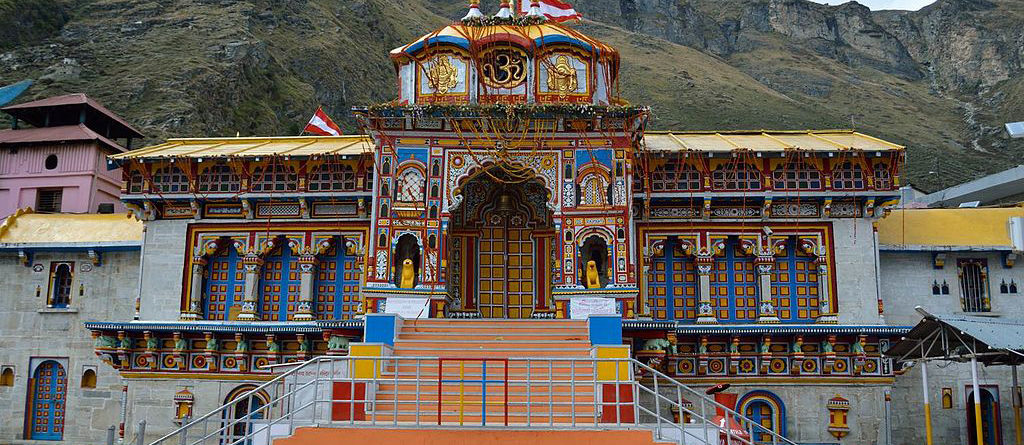
Badrinath
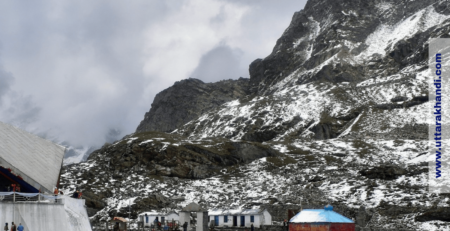
Badrinath Temple, located in the stunning Himalayas of Uttarakhand, is one of the Char Dham pilgrimage sites dedicated to Lord Vishnu. Surrounded by snow-capped peaks and lush valleys, this sacred temple is a center of devotion for millions of pilgrims who seek blessings and spiritual peace. It stands as a testament to India’s rich cultural and religious heritage.
Badrinath, situated in the Chamoli district of Uttarakhand, India, is one of the most revered pilgrimage sites for Hindus and a central location in the Char Dham Yatra. Nestled in the majestic Garhwal Himalayas, Badrinath holds not only religious significance but also cultural, historical, and natural importance. This holy town, which is visited by thousands of devotees and travelers every year, is an embodiment of faith, mythology, and divine beauty. It is famously known for the Badrinath Temple, which stands as a testament to centuries of devotion and reverence.
The Significance of Badrinath
Badrinath is one of the four sacred destinations in India’s Char Dham pilgrimage circuit, which also includes Yamunotri, Gangotri, and Kedarnath. It is also part of the Chota Char Dham circuit, often referred to as the smaller yet equally important pilgrimage circuit for devotees. The town is primarily known for its association with Lord Vishnu and is considered to be the divine abode of the deity in his form as Badri Vishal.
It is not just a pilgrimage destination, but also a place where spirituality is deeply woven into the fabric of life. Pilgrims and visitors come to seek the blessings of Lord Vishnu, reflect on their lives, and immerse themselves in the rich cultural traditions and natural beauty that surrounds the town.
Etymology of Badrinath
The name Badrinath is derived from the Sanskrit compound Badarīnātha, where “Badarī” means the jujube tree, and “Nātha” means Lord. This name symbolizes Lord Vishnu as the “Lord of the Jujube tree.” Another common name for Badrinath is Badarikashrama, which refers to the ancient forest where Lord Vishnu is believed to have meditated. The region’s name and its connection to Vishnu’s worship reinforce the spiritual significance of the place.
The Historical Journey of Badrinath
Badrinath’s history is deeply intertwined with the temple’s enduring legacy and the unyielding faith of its devotees. Historically, Badrinath was not easily accessible. Pilgrims would have to embark on long and arduous journeys, walking hundreds of miles through difficult terrain to reach the temple. The town has been repeatedly destroyed by natural calamities, including earthquakes and avalanches. Despite this, the temple was rebuilt several times, each time restoring the town’s spiritual grandeur.
In the early 20th century, the town was much smaller, consisting of only a handful of huts primarily occupied by the temple’s caretakers. But even in those days, it was a popular destination for devotees, who traveled great distances to reach this holy site. Over time, the town grew and developed, with infrastructure improving as more and more pilgrims visited.
By the 21st century, the popularity of Badrinath reached new heights. In 2006 alone, the temple attracted over 600,000 pilgrims—a significant rise from earlier years. It continues to be one of the most sought-after pilgrimage destinations in India, attracting thousands of visitors annually.
The Badrinath Temple: A Spiritual Marvel
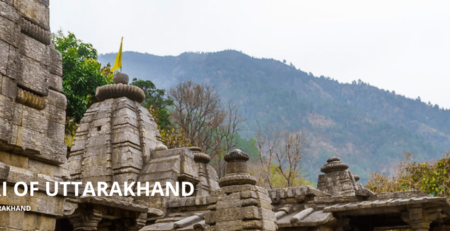
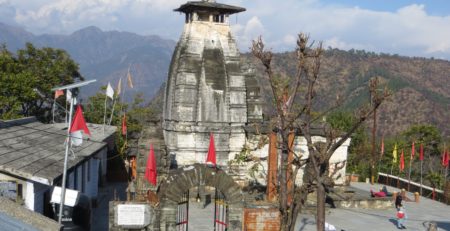
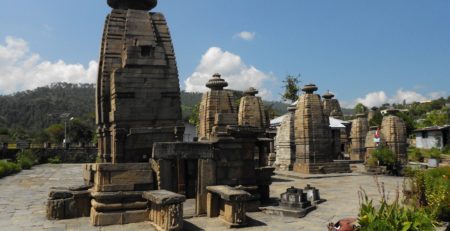
The heart of Badrinath is undoubtedly the Badrinath Temple, which is a marvel of architectural beauty and spiritual significance. The temple is dedicated to Lord Vishnu, specifically in his form of Badri Vishal. The temple stands at an altitude of approximately 10,279 feet (3,133 meters) above sea level, making it one of the highest temples in India.
According to legend, Adi Shankaracharya, the great Hindu philosopher and theologian, discovered a black stone idol of Lord Badrinarayan made from Shaligram stone in the Alaknanda River. The idol was initially enshrined by Shankaracharya in a cave near the famous Tapt Kund hot springs. The temple, as it exists today, was constructed in the 16th century by the King of Garhwal, who relocated the idol to its present location.
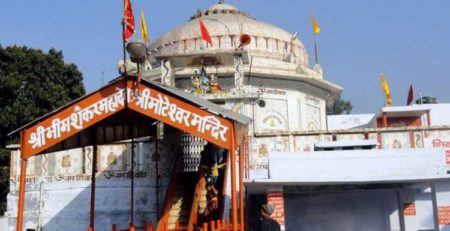
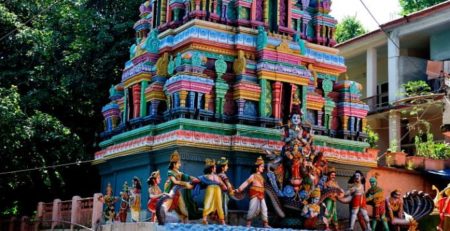
The structure of the temple is awe-inspiring. It is approximately 50 feet tall, with a gold-plated roof and a beautiful stone facade. The temple’s architecture is influenced by both Hindu and Buddhist designs, particularly the Vihara-style, which is evident in its brightly painted outer walls and arched windows. A broad staircase leads to the main entrance, a tall arched gateway that serves as the gateway to the holy sanctum.
Inside the temple, visitors are greeted with a mandapa, a large, pillared hall that leads to the garbha grha (sanctum sanctorum) where the idol of Lord Vishnu resides. The walls and pillars inside the mandapa are richly carved with intricate sculptures that depict various divine stories. The temple is an epitome of devotion, art, and architecture, offering a serene and spiritually uplifting experience to all who visit.
The Legends of Badrinath
Badrinath is not just a physical location; it is woven into the very fabric of Hindu mythology. According to the Bhagavata Purana, the region of Badarikashram (Badrinath) is considered sacred because Lord Vishnu, in his incarnations as Nara and Narayana, meditated here for the welfare of all living beings. The site is one of the most important in Hindu tradition, often mentioned in texts like the Mahabharata and the Ramayana.
In the Mahabharata, Lord Krishna refers to the sacredness of Badrinath, stating that Arjuna, in a former life, meditated here alongside Lord Vishnu. The town’s importance is further solidified by the fact that the Pandavas, the five brothers from the Mahabharata, are said to have passed through Badrinath during their final journey to heaven.
Another popular legend relates to the descent of the Ganga River. It is believed that the goddess Ganga was initially unable to descend to Earth in her full force, so she was divided into two channels. One of these channels became the Alaknanda River, which flows near Badrinath, making the town a sacred place of purification and sanctity.
Additionally, the area was once rich with Badri trees, from which Lord Vishnu, in his meditation, was sheltered by his consort Lakshmi, who stood by him to protect him from the harsh sunlight. It is said that she transformed into a Badri bush, and hence, Vishnu became known as Badri Vishal or Badrinath.
Badrinath and Its Significance in Other Religions
Badrinath’s spiritual significance is not limited to Hinduism alone. The region also holds importance in Jainism, where the Himalayas are called Ashtapad due to their eight major mountain peaks. According to Jain tradition, many Jain monks attained moksha (liberation) in this region, performing penance and spiritual austerities in the area. The mountains surrounding Badrinath, such as Nilkantha, Swargarohini, and Kailash, are revered in Jain texts as well.
Badrinath is also a place of historical significance, mentioned in the Padma Purana and other ancient scriptures. It is considered a center of spiritual treasures, offering divine blessings and wisdom to those who visit.
Natural Beauty and Attractions
Apart from its spiritual and historical importance, Badrinath is a feast for the eyes. The town is surrounded by towering mountains, lush green valleys, and flowing rivers, creating a breathtaking landscape. The Tapt Kund, a natural hot spring located near the temple, is believed to have healing properties. Devotees bathe in its warm waters before visiting the temple to purify themselves.
The Nilkantha Peak, which rises above the town, is another attraction for trekkers and mountaineers. This snow-covered peak is a popular destination for adventure enthusiasts seeking to explore the Himalayas.
Badrinath is a land of divine blessings, mythological legends, and natural beauty. It is a place where the physical and spiritual worlds converge, offering pilgrims a chance to connect with the divine. The Badrinath Temple, with its rich history, architectural splendor, and cultural significance, continues to draw devotees from all walks of life, who come seeking solace, salvation, and a deeper connection with the divine.
For anyone on a spiritual journey or looking to experience the serene beauty of the Himalayas, Badrinath is a must-visit destination, where every step taken on its sacred grounds leads to a path of enlightenment and spiritual awakening.
Here are some commonly asked questions that will help you learn more about Badrinath, its significance, attractions, and travel tips.
What is Badrinath famous for?
Badrinath is famous for being one of the holiest pilgrimage sites for Hindus, particularly for the Badrinath Temple, dedicated to Lord Vishnu. It is also part of the Char Dham Yatra and is known for its spiritual significance, natural beauty, and rich history.
Where is Badrinath located?
Badrinath is located in the Chamoli district of Uttarakhand, India. It is situated in the Garhwal Himalayas, at an altitude of about 10,279 feet (3,133 meters) above sea level, near the Alaknanda River.
How can I reach Badrinath?
You can reach Badrinath by road from Haridwar or Rishikesh, both of which are well-connected to major cities in India. The nearest airport is Jolly Grant Airport (Dehradun), and the nearest railway station is Rishikesh. From there, you can take taxis or buses to Badrinath. The town is accessible only during the summer months (from May to November) due to heavy snowfall during the winter.
When is the best time to visit Badrinath?
The best time to visit Badrinath is between May and November. The Badrinath Temple remains open from May to November, with the temple closing for winter in November and reopening in April or May the following year. The summer months (May to June) are ideal for pilgrimage, while the monsoon months (July to September) can have heavy rainfall, and winter (October to March) can be extremely cold and snowbound.
What is the Badrinath Temple?
The Badrinath Temple is a Hindu temple dedicated to Lord Vishnu, worshiped in his form as Badri Vishal. It is one of the Char Dham pilgrimage sites and one of the most important shrines in Hinduism. The temple features a golden canopy and is known for its Shaligram stone idol of Lord Vishnu, believed to be discovered by Adi Shankaracharya.
What are the attractions in Badrinath?
Apart from the Badrinath Temple, other key attractions include:
- Tapt Kund: A natural hot spring where devotees bathe before visiting the temple.
- Nilkantha Peak: A beautiful snow-capped peak offering stunning views.
- Brahma Kapal: A sacred place near the temple where people offer prayers for their ancestors.
- Mana Village: The last village before the Indo-China border, known for its ancient caves and the Vyas Gufa (cave of sage Vyasa).
What is the significance of Tapt Kund?
Tapt Kund is a natural hot spring located near the Badrinath Temple. Pilgrims bathe in the hot spring before visiting the temple to purify themselves. The water of Tapt Kund is believed to have healing properties, and bathing in it is considered an essential ritual before seeking the blessings of Lord Vishnu.
What is the story behind Badrinath?
According to Hindu mythology, Lord Vishnu meditated in this region in the form of Nara and Narayana to protect the world. The area was once lush with Badri trees, and the goddess Lakshmi provided shelter to Vishnu under these trees. It is said that the region was named Badrinath due to the abundance of these trees and Vishnu’s meditation here. The temple was established by Adi Shankaracharya in the 9th century.
Can I trek to Badrinath?
Yes, it is possible to trek to Badrinath, though it is a physically challenging journey. The most popular trek is the Badrinath to Mana village trek, which offers panoramic views of the Himalayas. While the town itself is accessible by road, the surrounding areas, like Nilkantha Peak, are great for adventure seekers.
What should I carry with me to Badrinath?
When traveling to Badrinath, make sure to carry:
- Warm clothes (even in summer, it can be cold at higher altitudes)
- Comfortable shoes for walking
- Personal toiletries and medical essentials
- A valid identity proof for registration at the temple
- A camera to capture the scenic views
- Religious offerings (if desired)
Is there any accommodation in Badrinath?
Yes, there are various accommodation options in Badrinath, ranging from budget guesthouses to more luxurious hotels. The GMVN (Garhwal Mandal Vikas Nigam) also offers guesthouses and dormitories for pilgrims. It is advisable to book accommodations in advance, especially during peak pilgrimage seasons.
What is the best way to perform rituals at Badrinath?
Devotees can visit the Badrinath Temple to offer prayers and perform rituals such as Aarti, Abhishek (ritual bathing of the idol), and offering flowers or other items as per tradition. Pind Daan can also be performed at Brahma Kapal to seek peace for deceased ancestors.
Are there any nearby places to visit?
Yes, Badrinath is close to several other sacred and scenic spots:
- Kedarnath: Another major Char Dham site, located about 40 km from Badrinath.
- Rishikesh: Famous for yoga and spirituality, situated 275 km from Badrinath.
- Haridwar: A popular pilgrimage town located about 300 km from Badrinath.
- Mana Village: Known for its ancient caves and religious significance, located near Badrinath.
Is there any food available in Badrinath?
Badrinath has several restaurants and dhabas (local eateries) that serve vegetarian food. Being a sacred place, non-vegetarian food is not available. You will find simple but wholesome meals like dal, rice, chapati, and seasonal vegetables.
Is Badrinath safe for solo travelers?
Badrinath is generally safe for solo travelers, but it’s important to take basic precautions. Be prepared for cold weather, especially during the evenings and mornings. Also, since it is a remote area, it is advised to plan your travel carefully, especially during the peak pilgrimage season.