Art and Craft of Uttarakhand
Uttarakhand art and craft heritage is rich and diverse, deeply rooted in the cultural and spiritual fabric of the region. The primary folk painting styles of Aipan and Peeth are used to decorate homes and temples, with intricate geometric and symbolic patterns that are painted during festivals and religious ceremonies. These designs are not just decorative but carry spiritual meanings, invoking blessings and prosperity. Pahadi woodwork is another significant craft in Uttarakhand, where artisans skillfully carve intricate designs on wooden furniture, temple structures, and household items. This form of craftsmanship is an expression of the region’s connection to nature, using locally available wood to create artful, functional items.
Uttarakhand textile craft is renowned for its Pashmina shawls, woolen products, and Ringal items. These textiles are handwoven with great care, reflecting the region’s craftsmanship and resourcefulness. Additionally, jewelry-making in Uttarakhand involves intricate silver and copper designs, often adorned with local gemstones, inspired by cultural and spiritual symbolism. The tradition of pottery is still practiced in Uttarakhand, where artisans craft both decorative and functional clay items. The Hudka, a traditional drum, is another important part of Uttarakhand’s folk music, maintaining rhythm during cultural performances. Jute products, including bags, mats, and idols, along with metalworks, such as utensils and religious idols, further highlight the region’s artisanal ingenuity. All these crafts showcase Uttarakhand’s deep connection to its environment, spirituality, and cultural traditions.
Uttarakhand is known for its rich and diverse tradition of art and crafts, each showcasing the region’s deep cultural, spiritual, and environmental ties. These include:
Paintings
Uttarakhand’s folk painting traditions are an essential part of its cultural heritage. Aipan and Peeth are the most popular painting styles, created on the floors and walls of homes, temples, and other sacred spaces using rice paste. These intricate designs often carry spiritual meanings, depicting geometric patterns, animals, flowers, and divine symbols. Wall paintings, especially in temples, narrate religious stories and myths, highlighting the region’s deep connection with spirituality and tradition. These artistic expressions are usually created during festivals, weddings, and other ceremonial occasions to invoke blessings and prosperity.
Woodwork
Pahadi woodwork is an ancient and revered craft in Uttarakhand, particularly in the hills and valleys. Artisans specialize in crafting intricate carvings and designs on wooden doors, windows, furniture, and temple structures. Wood carving often reflects religious and cultural motifs, such as the forms of gods, goddesses, and mythical animals. The work also includes ornate chests, beds, and tables, which showcase the detailed craftsmanship and the use of locally sourced woods like Deodar and Teak. This tradition not only adds to the aesthetic beauty of the region but also serves as a practical reflection of the community’s resourcefulness and spirituality.
Textiles
Uttarakhand’s textiles are famous for their fine craftsmanship, with products like Pashmina shawls, woolen products, and Ringal products standing out. Pashmina wool, renowned for its softness and warmth, is handwoven into beautiful shawls and scarves that are popular both locally and globally. Woolen products, ranging from sweaters to blankets, are essential in the cold mountainous regions of Uttarakhand. Ringal, a bamboo-based craft, is used to make a variety of items, including mats, baskets, and decorative pieces, reflecting the region’s resourcefulness and connection to nature. These textiles often feature traditional patterns that are passed down through generations, showcasing the region’s creativity and heritage.
Jewelry
The jewelry-making craft of Uttarakhand is rooted in its cultural and spiritual life. The state is known for its intricate metalwork, which includes silver, gold, and copper jewelry pieces. Local artisans create beautiful pieces such as nose rings, earrings, bangles, and necklaces, often embellished with stones like amber, coral, and turquoise. The jewelry is frequently inspired by traditional symbols, religious motifs, and nature, with designs reflecting the values of the people. Jewelry plays an essential role in various ceremonies, festivals, and weddings, often representing prosperity, protection, and spiritual significance.
Pottery
Pottery is a time-honored craft in Uttarakhand, with artisans creating both functional and decorative items. Traditionally, the craft has been passed down through generations, and pottery is still made using the same methods that date back centuries. Pottery items like earthen pots, vessels, water pitchers, and lamps are used in daily life, especially in rural areas, where they are favored for their durability and ability to maintain the temperature of food and water. The designs range from simple and utilitarian to intricate patterns, sometimes incorporating local motifs. Pottery also plays a role in religious rituals, with earthen lamps being lit during festivals.
Hudka
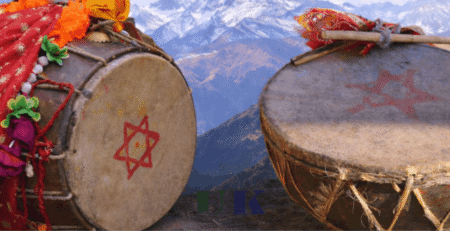
The Hudka, a small hourglass-shaped drum made of wood and animal leather, holds a special place in the folk music traditions of Uttarakhand. This instrument is traditionally used in various cultural performances, dances, and religious events. The rhythmic sound of the Hudka accompanies the chants, songs, and dances that are an integral part of Uttarakhand’s vibrant folk culture. The making of the Hudka itself is an artisan craft, with skilled craftsmen shaping the wood and preparing the leather, ensuring that the drum produces the distinct sound that has come to define the region’s traditional music.
Jute Products
Jute products are an important aspect of Uttarakhand’s craft industry. Local artisans use jute, a biodegradable and eco-friendly material, to create a variety of products. These include braided bags, jhoomers (traditional headgear), yoga slippers, fruit baskets, Ganesh idols, door mats, and aasans (sitting mats). These products reflect the region’s practical use of natural materials and are highly valued for their sustainability. The craft of jute weaving also provides livelihoods for many families in rural areas, helping preserve traditional techniques while offering functional items for everyday life.
Metal Works
Metal works are a prominent aspect of Uttarakhand’s craft scene, encompassing a wide range of items made from metals such as copper, brass, and iron. Local artisans produce everyday items like utensils, agricultural tools, and religious idols. The metalwork also extends to decorative items, including bells, lampstands, and jewelry, often crafted with intricate designs and symbolic motifs. These metal products hold both practical and cultural significance, with many pieces being used in temples, homes, and festivals. The tradition of metalworking is a reflection of the region’s resourcefulness, as well as the fusion of artistry and utility.
Here are some frequently asked questions (FAQs) about the art and craft of Uttarakhand:
What are Aipan and Peeth paintings?
Aipan and Peeth are traditional folk painting styles of Uttarakhand. Aipan involves intricate geometric and floral patterns, often used for decorating floors and walls during festivals. Peeth is a similar form of painting, typically used for religious and decorative purposes in homes and temples.
What is Pahadi woodwork?
Pahadi woodwork is a traditional craft in Uttarakhand where artisans carve intricate patterns and designs on wood. This includes religious items, temple structures, doors, windows, and furniture, showcasing the region’s craftsmanship and spiritual beliefs.
What types of textiles are made in Uttarakhand?
Uttarakhand is famous for its Pashmina shawls, woolen products, and Ringal crafts. These textiles are handwoven and known for their quality, warmth, and intricate patterns, which reflect the region’s rich culture and natural resources.
What is the significance of jewelry-making in Uttarakhand?
Jewelry-making in Uttarakhand is an important traditional craft, often involving intricate designs using metals like silver and copper. The jewelry is frequently adorned with local gemstones, and it plays a significant role in cultural ceremonies, festivals, and spiritual practices.
What is the Hudka?
The Hudka is a small, hourglass-shaped drum traditionally used in Uttarakhand’s folk music. Made from wood and animal leather, it is an integral part of many cultural performances and rituals, providing rhythm and adding to the spiritual atmosphere.
What are the types of pottery in Uttarakhand?
Pottery in Uttarakhand includes a variety of functional and decorative items, such as earthen pots, lamps, and vessels. These products are made using traditional methods passed down through generations, reflecting the region’s connection to nature and daily life.
What are Jute products in Uttarakhand?
Jute products in Uttarakhand include a variety of handmade items like braided bags, jhoomers, yoga slippers, fruit baskets, Ganesh idols, door mats, and aasans. These products are eco-friendly and showcase the region’s practical and sustainable use of natural materials.
What types of metalwork are found in Uttarakhand?
Metalwork in Uttarakhand includes a range of items made from copper, brass, and iron. These can be functional, such as utensils and tools, or decorative, such as religious idols and bells, often featuring intricate designs that reflect the region’s artistic and spiritual values.
How do Uttarakhand’s crafts reflect its cultural heritage?
The crafts of Uttarakhand, including paintings, woodwork, textiles, pottery, and metalwork, are deeply intertwined with the region’s cultural, spiritual, and environmental values. Many crafts are designed for religious or ceremonial purposes, and the materials used are often sourced from the local environment, reflecting a sustainable and spiritual way of life.
Where can I buy Uttarakhand’s traditional crafts?
Uttarakhand’s traditional crafts can be purchased at local markets, fairs, and handicraft stores. Some of the most famous markets are in Dehradun, Nainital, Mussoorie, and Almora. Many online platforms also sell these crafts, allowing people to experience the region’s artistry from afar.
Each of these crafts represents the cultural richness of Uttarakhand, deeply embedded in the community’s way of life and spiritual beliefs. From the detailed woodwork and textiles to the musical instruments and eco-friendly jute products, Uttarakhand’s art and craft continue to thrive, preserving traditions while adapting to modern needs.