Amla
Nutritional Powerhouse and Cultural Treasure
The Indian gooseberry, or Amla (Emblica officinalis or Phyllanthus emblica), is an extremely sour and nutritious fruit that grows in India, the Middle East, and a few other Southeast Asian countries. It is known as Amla in India and Amalaki in Sanskrit. Due to its powerful antioxidant properties, it is often used in Ayurvedic medicine to boost skin and hair health, as well as the overall immunity of the body. It belongs to the Euphorbiaceae family. This fruit ripens in the autumn in wet forests and hilly areas of the Indian subcontinent, and the tree is considered sacred in India.
Botanical Name: Phyllanthus emblica L.
Local Name: Amla
Family: Phyllanthaceae
Ethnobotanical uses: The entire plant is economically important. The dried fruit, the nut or seed, leaves, root, bark and flowers are frequently employed. The ripe fruits are generally used fresh but dried fruit are also used. It is rich in polyphenols, minerals and is regarded as one of the richest source of vitamin C. Therapeutic uses as an energy refiller, Aperient, Antibacterial, antifungal, antiviral, in Gonorrhoea, Analgesic and Skin Fareness, to stop nausea and vomiting, Antitumour activity, Hepatoprotective activity.
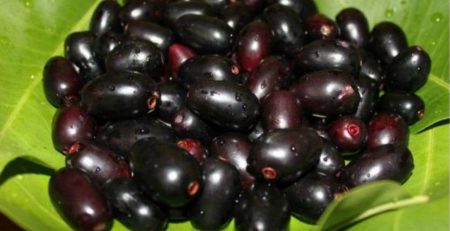
The fruit is light green in color and can be quite tart and fibrous to eat. In India, it is eaten with salt and chilly powder or made into a pickle or sugared candy. It is a vital ingredient of Triphala and chyawanprash, both of which are traditional herbal Indian formulations to boost health. Amla is also available in various other forms, such as a powder, juice, oil, tablets, and spice. Amla tea and dried amla are also consumed by many for its powerful nutritional benefits.
The health benefits of Indian gooseberry, also known as Amla, can be partially attributed to its high vitamin C content. The Indian gooseberry helps in boosting the immune system, slowing down aging, treating throat infections, reducing blood sugar levels, and improving heart health.
Amla acts as a diuretic agent and is therefore thought to enhance food absorption, balance stomach acids, fortify the liver, and nourish the brain and mental functioning. It also strengthens the lungs, enhances fertility, helps the urinary system, improves skin quality, and promotes healthier hair. This fruit increases vitality, aids in vision care, and improves muscle tone.
Benefits Of Amla (Indian Gooseberry):
- Slows Down Ageing
- Cures A Sore Throat
- Fights Against Heart Disease
- Increases Diuretic Activity
- Increases Metabolic Activity
- Reduces Blood Sugar
- High In Digestive Fiber
- Boosts Immunity
- Prevents Formation Of Gall Bladder Stones
- Prevents Ulcers
- Is Anti-Inflammatory
- Improves Eyesight
- Purifies Blood
- Strengthens Bones
- Cools The Body
- Prevents Constipation
- Prevents Jaundice
- Reduces The Risk Of Cancer
- Protects Your Liver
- Makes Skin Glow
- Brightens Skin
- Reduces Pigmentation
- Prevents Lice
- Prevents Greying Of Hair
- Helps Increase Hair Growth
Nutritional and Medicinal Value
Amla is rich in Vitamin C, antioxidants, and has several health benefits, including boosting immunity, improving digestion, and promoting skin and hair health. The fruit is widely used in Ayurvedic medicine for its rejuvenating properties. Locals use it to prepare various home remedies for colds, coughs, and other ailments.
Cultural Significance
In Uttarakhand, especially in the Garhwal and Kumaon regions, Amla is used in local cuisine to make chutneys, pickles, and even sweets. It is also dried and preserved for use during the winter months when fresh fruits are less available.
Amla Cultivation in Uttarakhand
Amla trees thrive in the hilly terrain of Uttarakhand, where they are cultivated by small farmers. The fruit is typically harvested between November and February. Amla farming provides a livelihood for many people in the state, with the fruit often being sold in local markets or processed into value-added products like juice and powder. Due to its high demand in the wellness industry, Amla from Uttarakhand is sought after for its organic quality and natural farming practices.