Aipan Art
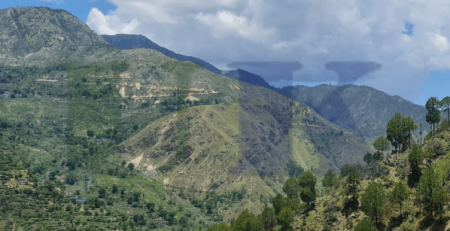
Aipan is a traditional folk art from the Almora, Kumaon region of Uttarakhand, India
Aipan is a deeply revered ritualistic folk art that originates from Kumaon, a region nestled in the Indian Himalayas. This art form is not merely decorative but is woven into the cultural and spiritual fabric of the Kumaoni people. Practiced primarily by women, Aipan is performed on special occasions, household ceremonies, and religious rituals. It is believed to invoke divine blessings, attract prosperity, and ward off evil spirits.
The uniqueness of Aipan lies in its medium and method. Traditionally, it is created on walls or floors that are painted brick-red using Geru (natural red clay), symbolizing purity and fertility. The designs are then intricately drawn using a white paste made of rice flour, resulting in striking, vibrant patterns that resonate with spiritual significance.
Cultural Practices and Significance
Aipan art plays an integral role in the celebration of various festivals and ceremonies in Kumaon. It is closely associated with rituals and is considered an essential element in creating a sacred ambiance. The art is particularly prominent during:
- Ganesh Chaturthi: Invoking Lord Ganesha’s blessings for prosperity and new beginnings.
- Makar Sankranti & Kark Sankranti: Celebrating the transition of the sun into a new zodiac sign, symbolizing renewal and hope.
- Maha Shivaratri: Honoring Lord Shiva with symbolic designs of power and divinity.
- Lakshmi Pujan: Attracting wealth and blessings from Goddess Lakshmi.
Aipan patterns are most commonly seen in Puja rooms, entrances of homes, and areas of spiritual importance. The motifs used in Aipan, such as the Saraswati Chowki, Chamunda Hast Chowki, Nav Durga Chowki, Jyoti Patta, Durga Thapa, and Lakshmi Yantra, are steeped in symbolism. They represent fertility, prosperity, and the divine energy that governs life.
Intergenerational Tradition
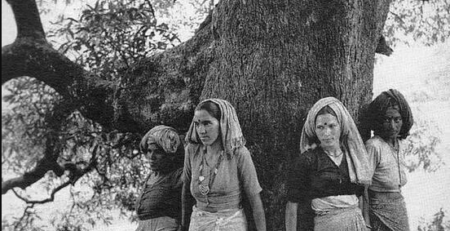
Aipan is not just art; it is a legacy passed down through generations. Mothers teach their daughters and daughters-in-law, ensuring the continuity of this beautiful tradition. Historically, the art form was practiced by women across all castes, emphasizing its unifying and inclusive cultural role.
Historical Roots of Aipan
Aipan art has its origins in the picturesque town of Almora, Uttarakhand, where it flourished during the Chand dynasty. This historical backdrop is significant, as the designs and motifs were inspired by the beliefs and traditions of the community, along with the natural surroundings. The art became a medium to express cultural identity and spiritual devotion.
Modern Revival and Recognition
Over time, Aipan faced challenges due to changing lifestyles and the advent of modern art forms. However, efforts to revive and promote Aipan have been remarkable.
- Recognition as a GI Product:
In September 2021, Aipan art was awarded a Geographical Indication (GI) tag, officially recognizing it as an integral part of Kumaoni heritage. This milestone ensures the protection and authenticity of the art form. - Cheli Aipan Initiative:
The government of Uttarakhand launched the “Cheli Aipan” initiative to popularize Aipan. This project focuses on encouraging artists and promoting the art form through exhibitions and workshops. - Aipan in Government Spaces:
In 2015, the Uttarakhand Government decided to incorporate Aipan designs in public spaces, including government offices and buildings. This effort ensures visibility and promotes pride in local traditions. - Cultural Spaces:
The Aipan Resort in Chopta, Rudraprayag, serves as a hub for showcasing Aipan art. This initiative brings together artists and enthusiasts, making the art form accessible to a wider audience, including tourists.
Symbol of Kumaoni Identity
Aipan is not just a decorative practice but a profound expression of Kumaoni culture, spirituality, and identity. Its designs are imbued with layers of meaning, reflecting a harmonious relationship between the people and their beliefs.
The art’s revival is not merely about preserving an ancient tradition; it is about celebrating the resilience of cultural heritage in the face of modernity. Aipan continues to inspire, educate, and connect generations, making it a living legacy of the Kumaoni people.
Aipan is a timeless art that bridges the past and the present, the spiritual and the tangible. Its motifs carry stories of devotion, its patterns embody the essence of life, and its practice unites communities. Efforts to preserve and promote Aipan ensure that this cherished tradition remains vibrant and continues to enrich the cultural heritage of Uttarakhand and India at large.