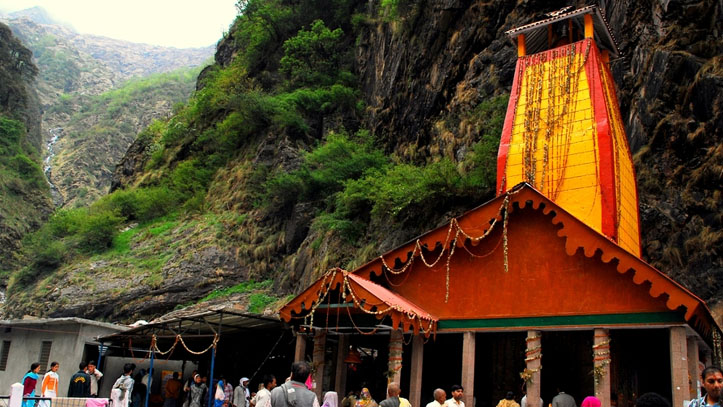
Yamunotri
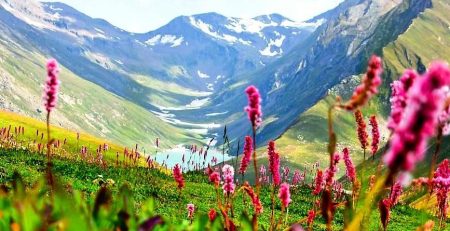
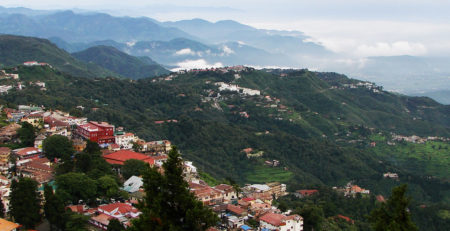
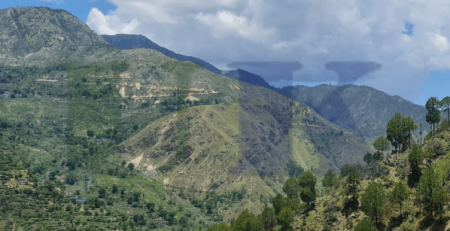
Yamunotri is a sacred town in Uttarakhand, India, and the source of the Yamuna River. Situated at an altitude of 3,293 meters, it is a key stop on the Char Dham pilgrimage. The town is home to the Yamunotri Temple, dedicated to Goddess Yamuna, and famous for its hot springs, where pilgrims offer rice and potatoes. Surrounded by stunning Himalayan views, Yamunotri is a place of spiritual significance and natural beauty, attracting both devotees and nature enthusiasts.
Yamunotri, one of the four sacred shrines in India’s Chota Char Dham pilgrimage, holds immense significance in Hinduism. Situated at an altitude of 3,293 meters (10,804 feet) in the Garhwal Himalayas, it lies approximately 150 kilometers north of Uttarkashi, the district headquarters of Uttarkashi in Uttarakhand, India. The town is renowned as the source of the Yamuna River and is considered the seat of Goddess Yamuna.
Sacred Temple and Holy Springs
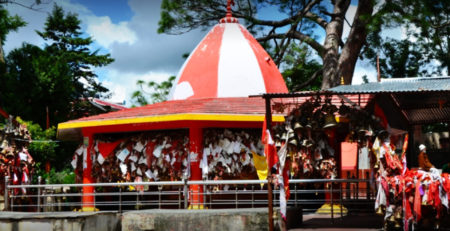
At the heart of Yamunotri is the Yamunotri Temple, perched on the lower slopes of the Bandarpunch Mountain. The temple, dedicated to Goddess Yamuna, is the westernmost shrine in the Garhwal Himalayas. The shrine was originally built by Maharani Guleria of Jaipur in the 19th century and later renovated. Pilgrims from all over the country visit this sacred site to seek the blessings of the river goddess. The temple stands as a testament to the reverence the river holds in Hindu culture, with the deity made from black marble.
In addition to the temple, the area is famous for the Janki Chatti hot springs, located 7 kilometers away from the shrine. The hot springs are believed to have healing properties and attract many visitors. Pilgrims also prepare rice and potatoes wrapped in muslin cloth and dip them in the hot waters of Surya Kund and Divya Shila, a sacred rock. These offerings are then taken home as prasada (holy offerings).
The Source of the Yamuna River
The actual source of the Yamuna River lies in the Champasar Glacier at an elevation of 4,421 meters (14,510 feet) on Kalind Mountain, about 1 kilometer from the temple. The glacier is difficult to reach due to its remote location, so pilgrims typically offer their prayers at the temple, rather than venturing to the glacier’s source.
The Yamuna River is one of the most significant rivers in northern India. It originates from the Yamunotri Glacier, flows across the states of Uttarakhand, Himachal Pradesh, Haryana, Uttar Pradesh, and Delhi, and eventually merges with the Ganges at the Triveni Sangam in Prayagraj. It is revered by Hindus as a divine mother, nurturing civilizations for centuries. The river, much like the Ganges, is believed to purify those who bathe in its waters, washing away their sins.
Mythology and Legends
According to Hindu mythology, Sage Asita, an ascetic, lived near Yamunotri and bathed daily in both the Ganges and Yamuna. In his old age, unable to travel to Gangotri, a stream of the Ganges miraculously appeared at Yamunotri, allowing him to continue his daily rituals. Another legend mentions that the Kalind Mountain, which towers near the river source, is dedicated to Surya, the Sun God, who is believed to be the father of the Yamuna.
The Yamuna River is said to be the daughter of Surya, and its source in the Champasar Glacier is located near Kalinda Parvat. According to legend, Lord Krishna, who was born on the banks of the Yamuna River, spent his childhood near its waters, making the river sacred in his life. Thus, the Yamuna holds a deeply personal and spiritual connection for Hindus, symbolizing purity, divine grace, and maternal love.
Yamunotri Temple: The Spiritual Journey
The Yamunotri Temple itself is a beautiful structure situated on the left bank of the Yamuna River. The temple was built by Maharaja Pratap Shah of Tehri Garhwal and houses an idol of Goddess Yamuna made from black marble. A sacred rock called Divya Shila stands near the temple. Before offering worship to the goddess, devotees pray at the Divya Shila, which is said to be a source of divine energy.
One of the chief attractions at Yamunotri is the Surya Kund, a hot spring where pilgrims boil rice and potatoes, offering them to the goddess. This ritual has become a popular custom, with pilgrims tying their offerings in cloth and immersing them in the hot water. The cooked rice is later returned as prasada, a symbolic act of receiving blessings from Goddess Yamuna.
The Yamunotri Temple is one of the most revered sites in the Char Dham pilgrimage circuit, drawing thousands of pilgrims every year who trek through challenging mountain terrain to reach this sacred location. The journey to Yamunotri is not only a spiritual experience but also an adventurous trek that provides magnificent views of the snow-capped Himalayan peaks, making it a remarkable destination for both spiritual seekers and nature enthusiasts.
Yamunotri is not just a geographical location but a sacred place that embodies deep spiritual significance for Hindus. It represents the source of one of the holiest rivers in India and is associated with divine mythology that has been passed down for generations. Whether you are a devotee seeking the blessings of Goddess Yamuna or a traveler exploring the majestic beauty of the Garhwal Himalayas, Yamunotri offers an unforgettable experience that connects you to the ancient spiritual heritage of India.
The town’s serene atmosphere, the sacred Yamunotri Temple, the healing hot springs, and the stunning Himalayan landscape combine to make Yamunotri a must-visit destination for those seeking spiritual solace and an escape into nature.
Below are some frequently asked questions about Yamunotri to help you plan your visit and understand its significance.
What is Yamunotri?
Yamunotri is a sacred town and pilgrimage site in the Garhwal Himalayas, Uttarakhand, India. It is the source of the Yamuna River and home to the Yamunotri Temple dedicated to Goddess Yamuna.
Where is Yamunotri located?
Yamunotri is situated at an altitude of 3,293 meters (10,804 feet) in the western part of the Garhwal Himalayas. It lies approximately 150 kilometers north of Uttarkashi, Uttarakhand, India.
How do I reach Yamunotri?
To reach Yamunotri, you can travel to Uttarkashi by road, which is the nearest major town. From Uttarkashi, the journey to Yamunotri is usually done by a trek or via ponies or palanquins for those unable to walk. The trek from Hanuman Chatti to Yamunotri is around 6 kilometers.
What is the best time to visit Yamunotri?
The best time to visit Yamunotri is between May and October when the weather is pleasant. The temple remains open from May to November and closes for the winter during the colder months, from November to April.
What is the significance of the Yamunotri Temple?
The Yamunotri Temple is dedicated to Goddess Yamuna, one of the holiest rivers in India. Pilgrims visit the temple to seek blessings and purify themselves by offering prayers and performing rituals in the sacred surroundings.
What are the main attractions in Yamunotri?
Key attractions in Yamunotri include:
- Yamunotri Temple dedicated to Goddess Yamuna.
- Surya Kund, a hot spring where devotees cook rice and potatoes.
- Divya Shila, a rock of great spiritual significance.
- Janki Chatti, another hot spring located 7 km from the temple.
What is the source of the Yamuna River?
The actual source of the Yamuna River is the Champasar Glacier, located at an altitude of 4,421 meters (14,510 feet) on Kalind Mountain, about 1 km from the Yamunotri Temple. The glacier is difficult to access, so most pilgrims offer prayers at the temple.
What is the mythological significance of Yamunotri?
Yamunotri is associated with several myths. According to one legend, Sage Asita bathed in both the Ganges and Yamuna rivers. When he grew old, a stream of the Ganges appeared at Yamunotri to allow him to continue his ritual. The mountain adjacent to the river source, Kalinda Parvat, is dedicated to the Sun God, Surya, believed to be the father of Goddess Yamuna.
Are there any hot springs in Yamunotri?
Yes, Yamunotri is famous for its hot springs. The most significant is Surya Kund, where pilgrims dip rice and potatoes to prepare them as offerings to Goddess Yamuna. There are other hot springs like Janki Chatti that are believed to have medicinal properties.
Can I trek to the source of the Yamuna River?
The Champasar Glacier, the actual source of the Yamuna River, is located at a higher altitude of 4,421 meters (14,510 feet). The trek to this glacier is challenging, and it is generally not accessible for most pilgrims. However, visitors can offer prayers at the Yamunotri Temple, located at a lower altitude.
Is there accommodation available in Yamunotri?
Yes, there are basic accommodation options available for pilgrims, including guesthouses and dharamshalas (rest houses). However, the facilities are limited, and most visitors stay in Uttarkashi and make the trip to Yamunotri for a day or two.
What should I carry while visiting Yamunotri?
- Comfortable trekking shoes.
- Warm clothes (even in summer, temperatures can be cold at higher altitudes).
- A hat and sunscreen to protect from the sun.
- Personal items such as toiletries, medicines, and a water bottle.
- A camera to capture the scenic beauty.
Is Yamunotri part of the Char Dham pilgrimage?
Yes, Yamunotri is one of the four sites in the Chota Char Dham pilgrimage circuit, which also includes Gangotri, Kedarnath, and Badrinath. Pilgrims often visit these sites as part of a spiritual journey.
Can I perform rituals at the temple?
Yes, pilgrims can perform various rituals at the Yamunotri Temple, including offering prayers, aarti (ritual of light), and making offerings like rice and potatoes that are boiled in the hot springs.
Is Yamunotri safe to visit?
Yes, Yamunotri is generally safe for visitors. However, it’s important to be prepared for the trek and altitude. It is advisable to consult with a doctor before undertaking the journey, especially if you have any pre-existing health conditions.