Uttarakhand movement
A Struggle for Identity, Dignity, and Self-Determination
The Uttarakhand Movement is a story of aspirations, struggles, and dreams of the people living in the hilly regions of northern India. Uttarakhand, previously part of Uttar Pradesh, officially became a separate state on November 9, 2000. The movement for the creation of the state was rooted in long-standing social and political demands aimed at ensuring development, dignity, and self-reliance for the people of the mountainous region.
Major Causes of the Uttarakhand Movement
Geographical Challenges and Lack of Development
Being a hilly area, Uttarakhand was often neglected and viewed as an underdeveloped region. The people here faced harsh geographical conditions, with limited resources for education, healthcare, and basic amenities. While the plains of Uttar Pradesh experienced growth, the mountainous areas were left behind. The lack of infrastructure, roads, and employment opportunities made life difficult for the people in these regions.
Cultural Disparities
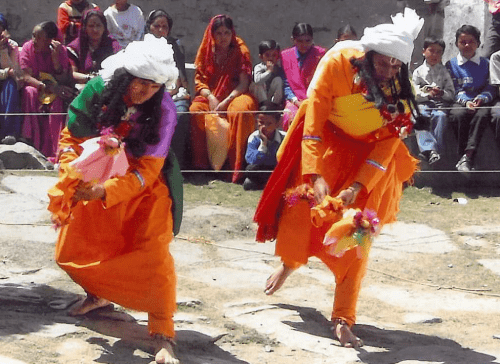
The culture, language, and traditions of the people in Uttarakhand were distinct from those in the plains. The people of the region felt that their cultural identity was being sidelined. They believed that the formation of a separate state would allow them to preserve and promote their unique heritage, festivals, and practices.
Administrative Neglect
With the capital of Uttar Pradesh located in Lucknow, the hilly regions of Uttarakhand faced administrative neglect. Basic government services were scarce, and development projects often did not reach these remote areas. People believed that their issues would be better addressed if they had their own state government to manage their affairs.
Beginning of the Uttarakhand Movement
The demand for a separate state of Uttarakhand can be traced back to the 1930s, but it gained real momentum in the 1990s. Over the years, the push for a separate hill state intensified as the people felt marginalized under the rule of Uttar Pradesh.
Formation of the Uttarakhand Kranti Dal (UKD) in 1979
The Uttarakhand Kranti Dal (UKD) was formed to give a unified voice to the demand for statehood. The UKD brought the cause of a separate hill state into the political sphere and garnered widespread support across the region. The movement gained momentum under the leadership of UKD as it represented the aspirations of the people from the hills.
The 1994 Massacres of Mussorie and Khatima
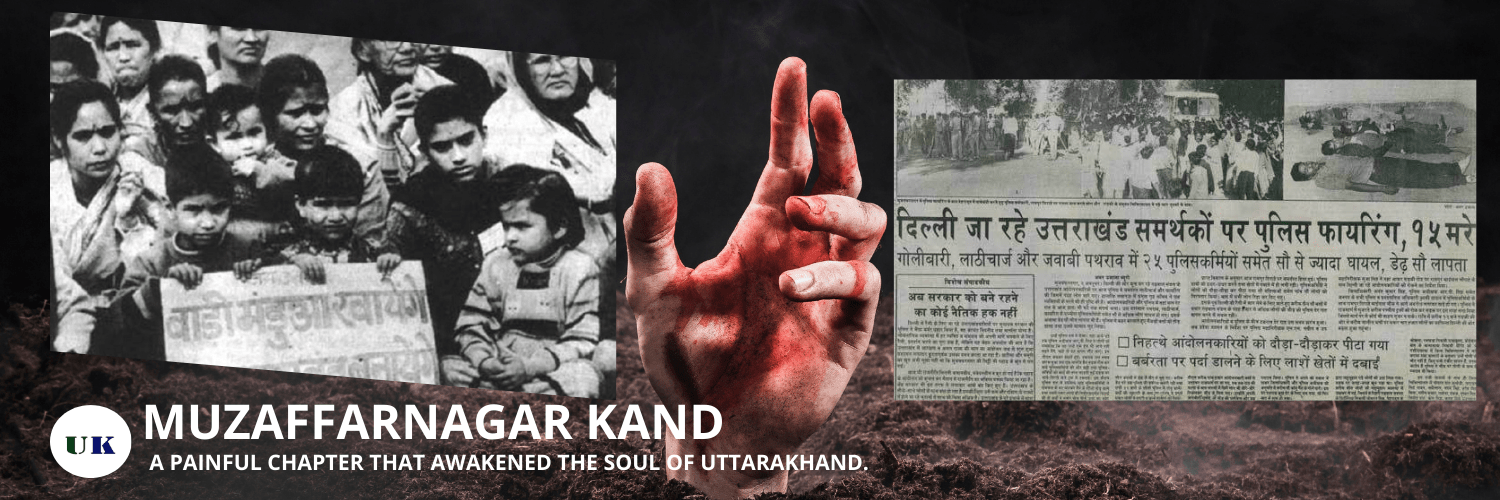
One of the darkest moments in the movement’s history occurred in 1994 when police fired on peaceful protestors in Mussorie and Khatima. Several people were killed in these brutal incidents. The violence unleashed by the authorities triggered mass protests and national outrage, bringing the issue to the forefront of Indian politics.
Role of Women in the Movement
Women played a pivotal role in the Uttarakhand Movement. They mobilized the masses, organized rallies, and became key participants in the protests. Their involvement in the movement was instrumental in spreading awareness about the issues faced by the hill people.
Formation of the State of Uttarakhand
Political Support in 1998-1999
In 1998, when the BJP government came to power at the center, the demand for Uttarakhand gained political traction. Prime Minister Atal Bihari Vajpayee recognized the demands of the movement and steps were taken to create the new state.
State Formation on November 9, 2000
On November 9, 2000, Uttarakhand was officially carved out of Uttar Pradesh and became the 27th state of India. Initially named Uttaranchal, the state was later renamed Uttarakhand in 2007 to reflect its cultural and historical roots. The creation of the state marked a significant milestone for the people of the region, who had long sought political autonomy and development.
Legacy of the Uttarakhand Movement
The Uttarakhand Movement not only led to the creation of a new state but also empowered the people of the region socially and politically. It was a movement of dignity, identity, and rights. The formation of Uttarakhand allowed its people to focus on preserving their cultural heritage and addressing the developmental challenges unique to the region.
Today, Uttarakhand is known for its rich cultural heritage, scenic beauty, and spiritual significance, earning it the title of “Devbhoomi” or Land of the Gods. However, the state continues to face challenges such as uneven development, lack of employment opportunities, and migration from the hills to the plains. Despite these challenges, the people of Uttarakhand remain committed to building a prosperous future for their state.
Muzaffarnagar Incident: A Tragic Turning Point
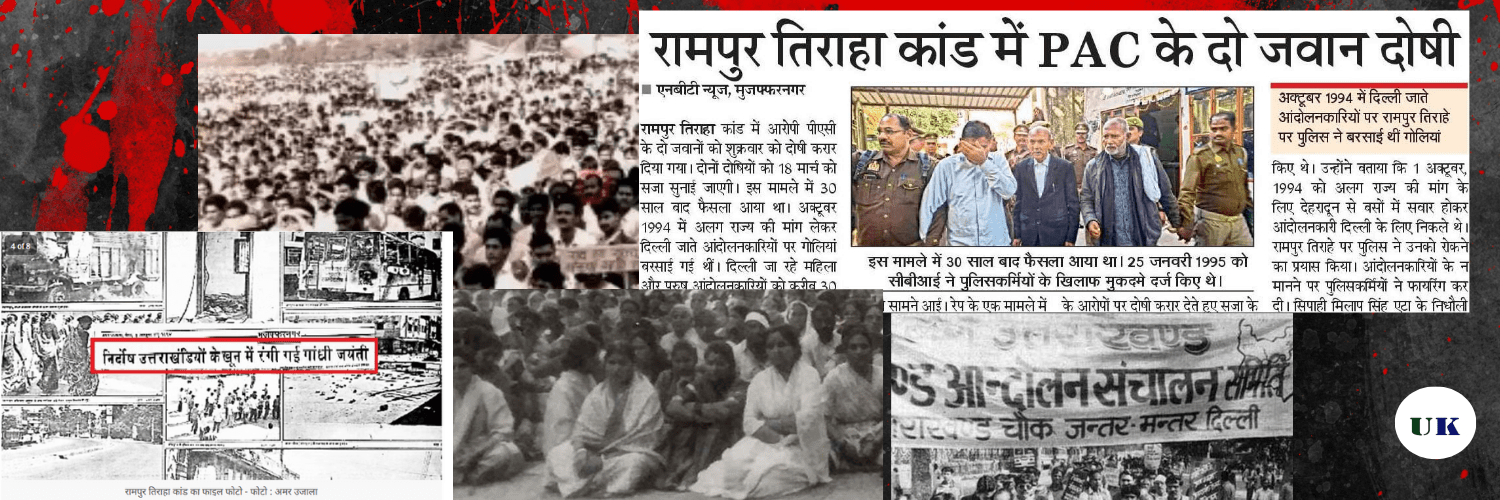
One of the most heart-wrenching events in the history of the movement was the Muzaffarnagar Incident of September 1994. As protestors were marching peacefully towards Delhi to demand statehood, the police stopped them at Rampur Tiraha, Muzaffarnagar. In an act of brutality, the police opened fire on the crowd, resulting in multiple deaths and injuries. Several women protestors were also subjected to horrific abuses.
This incident not only marked a turning point in the movement but also drew national attention to the plight of the people of Uttarakhand. The Muzaffarnagar Incident became a symbol of the state’s neglect and the people’s resolve to fight for their rights. Read More
Challenges Post-Statehood
Since its formation, Uttarakhand has made progress in infrastructure, tourism, and education. However, challenges remain. Migration from the hills continues to be a major issue, as lack of jobs and amenities forces people to move to cities in search of better opportunities. The state still grapples with uneven development, with the plains advancing more rapidly than the hills.
Efforts are being made to address these issues, and the people of Uttarakhand continue to work toward sustainable development and preserving their natural resources and cultural heritage.
The history of the Uttarakhand Movement is a powerful example of people’s collective determination and resilience. Despite facing adversity, oppression, and violence, the people of Uttarakhand remained united in their demand for a separate state. The formation of Uttarakhand in 2000 was a culmination of decades of struggle, sacrifice, and hope.
Today, the state stands as a testament to the spirit of its people, who continue to uphold their rich cultural traditions while working towards a better future. The legacy of the movement, and the Muzaffarnagar Incident in particular, remains deeply ingrained in the hearts of Uttarakhand’s people.