Uttarakhand Lal Chawal (Red Rice)
Uttarakhand Lal Chawal (Red Rice) is a GI-tagged, nutrient-rich rice grown in the high-altitude Himalayan regions. Known for its nutty flavor, firm texture, and antioxidant properties, it supports heart health, digestion, and weight management. Cultivated using traditional organic methods, it’s a healthier alternative to white rice with rich cultural significance.
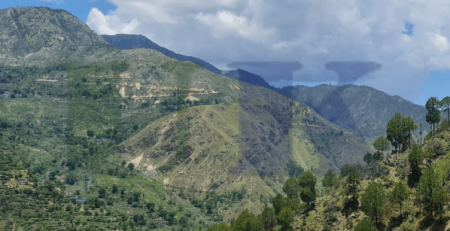
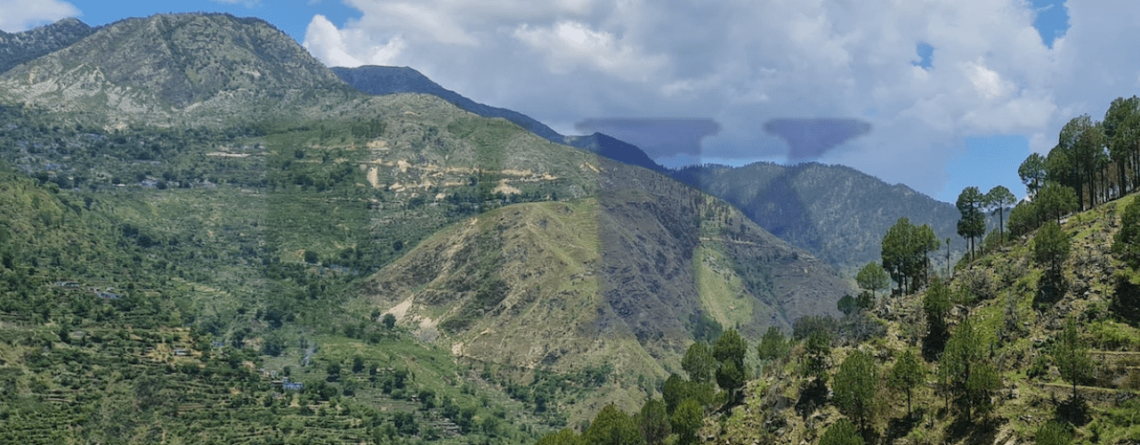
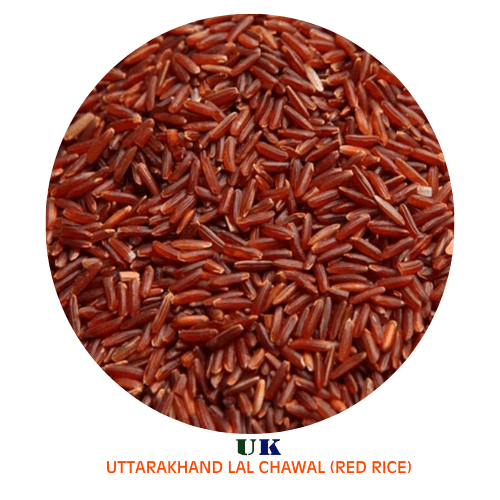
Uttarakhand Lal Chawal (Red Rice) is a unique non-Basmati, aromatic, red-colored rice grown in the high-altitude regions of Uttarakhand, particularly in Purola, Mori, and surrounding areas of Uttarkashi district. This rice is highly valued for its nutritional benefits, distinct taste, and sustainable farming practices. Unlike regular white or brown rice, its deep red hue is due to Anthocyanin, a powerful antioxidant known for its health-boosting properties.
Traditionally, this rice has been a staple food in Uttarakhand, cultivated organically for generations. In recent years, it has gained national recognition with a Geographical Indication (GI) tag, making it exclusive to the region and preserving its authenticity and commercial value.
Origin & Name
The name “Uttarakhand Lal Chawal” comes from the Hindi words “Laal” (red) and “Chawal” (rice), referring to its deep red color and traditional significance in local cuisine.
Local Names
- Garhwali Red Rice – As it is a staple in the Garhwal region of Uttarakhand.
- Lal Chawal – A commonly used name in Uttarakhand homes.
Traditional Significance
- Considered a symbol of good health and longevity in local culture.
- Used in religious offerings and traditional feasts.
- Consumed by mountain dwellers and farmers for its energy-boosting properties.
Unique Characteristics of Uttarakhand Lal Chawal
Uttarakhand Lal Chawal is known for its superior taste, texture, and health benefits, making it stand apart from regular white or brown rice.
Taste & Texture
- Nutty, earthy flavor – Unlike polished white rice, it retains a natural sweet-nutty taste.
- Firm and chewy texture – Stays intact when cooked, making it great for salads, pilafs, and traditional rice dishes.
- Rich aroma – Releases a mild, pleasant fragrance when cooked, enhancing the dining experience.
Color & Composition
- Red color due to Anthocyanin – A natural pigment with antioxidant and anti-inflammatory properties.
- Less starch, more fiber – Helps with better digestion and blood sugar regulation.
- Grown in high-altitude, rain-fed areas – Absorbs minerals from the rich Himalayan soil, enhancing its nutrient profile.
Nutritional & Health Benefits
Uttarakhand Lal Chawal is a nutrient-dense superfood, offering multiple health benefits due to its unique composition and organic cultivation.
Rich in Essential Nutrients
- High in Antioxidants – Contains 10 times more antioxidants than regular rice, helping fight free radicals.
- Good Source of Iron – Supports healthy blood circulation and prevents anemia.
- Rich in Magnesium & Zinc – Important for bone health, immune function, and muscle relaxation.
Health Benefits
- Lowers Cholesterol – Contains Monacolin K, a natural compound that helps reduce bad cholesterol (LDL).
- Aids in Digestion – The high fiber content promotes a healthy gut and regular bowel movements.
- Supports Weight Management – Keeps you full for longer, preventing overeating.
- Regulates Blood Sugar – The low glycemic index makes it ideal for diabetics and those looking to control sugar spikes.
- Strengthens Immunity – Due to its vitamin and mineral composition, it supports better overall health.
- Gluten-Free & Allergen-Free – A perfect option for those with gluten intolerance or allergies.
Culinary Uses of Lal Chawal
Uttarakhand Lal Chawal is highly versatile and can be used in a variety of dishes.
Traditional Dishes
- Kheer (Rice Pudding) – A popular Himalayan dessert made with milk, nuts, and sugar.
- Jeera Rice – A simple but flavorful dish made with cumin seeds, ghee, and red rice.
- Pulao & Khichdi – Enhances the flavor of mixed vegetable rice and lentil-based dishes.
Modern & Fusion Recipes
- Rice Bowls & Salads – Adds a chewy, nutty texture to healthy meals.
- Rice Flour-Based Snacks – Can be ground into flour for making roti, pancakes, or baked goods.
- Stuffed Parathas – Used as a filling mixed with spices and vegetables.
Perfect Food for Fasting & Special Diets
- Commonly consumed during Navratri & fasting periods as it is light and easy to digest.
- Ideal for vegan and gluten-free diets, offering a healthy rice alternative.
GI Tag Recognition & Its Importance
On 8 November 2023, Uttarakhand Lal Chawal (Red Rice) received the Geographical Indication (GI) tag from the Geographical Indications Registry of India.
What is the GI Tag?
- A certification that protects a product’s unique identity, quality, and regional authenticity.
- Prevents unauthorized sales of similar rice under the same name.
- Ensures better pricing and recognition for farmers in Uttarakhand.
How Uttarakhand Got the GI Tag
- Bhagirathi Annapurna Sabji Utpadak Swayat Sahakarita filed an application in March 2022.
- After review, the Geographical Indication Registry of Chennai granted the GI tag in November 2023.
Impact of GI Recognition
- Boosts the market value of Uttarakhand Lal Chawal in India and internationally.
- Encourages sustainable farming by promoting traditional, chemical-free cultivation.
- Enhances tourism & awareness, attracting food lovers and health-conscious consumers.
Notable Achievements
- First rice variety from Uttarakhand to receive the GI tag.
- 14th overall product from Uttarakhand to be GI-certified.
- Strengthens the region’s agricultural economy and provides farmers with a stable income source.
Frequently Asked Questions (FAQs)
What is Uttarakhand Lal Chawal (Red Rice), and why is it unique?
Uttarakhand Lal Chawal, also known as Red Rice of Uttarakhand, is a non-Basmati, naturally red-colored rice variety grown in the high-altitude Himalayan regions of Uttarakhand. It is unique because of its distinct nutty flavor, firm texture, high nutritional value, and organic cultivation methods. Unlike white rice, which is highly polished and stripped of nutrients, red rice retains its bran layer, making it rich in fiber, antioxidants, and minerals.
What gives Uttarakhand Lal Chawal its red color, and does it have any health benefits?
The red color of this rice comes from Anthocyanin, a natural pigment that belongs to the flavonoid family. This compound is known for its antioxidant properties, which help fight free radicals, reduce inflammation, and protect against chronic diseases such as heart disease, diabetes, and certain cancers. The presence of Anthocyanin makes red rice far superior in health benefits compared to regular white rice.
Which regions of Uttarakhand are known for cultivating Lal Chawal, and what makes these areas suitable for its growth?
Uttarakhand Lal Chawal is mainly cultivated in Purola, Mori, and other high-altitude regions of Uttarkashi district. These areas provide an ideal environment for growing this rice due to:
- High-altitude climate, which ensures slow maturation and enhanced flavor.
- Rich mineral soil from the Himalayan ecosystem.
- Ample rainfall that nourishes the crops naturally.
- Traditional, chemical-free farming methods, preserving its purity and health benefits.
How is Uttarakhand Lal Chawal different from other rice varieties like white, brown, or black rice?
- Compared to White Rice: White rice is polished and stripped of its bran layer, losing most nutrients, whereas Lal Chawal retains its nutrients.
- Compared to Brown Rice: Both are unpolished and rich in fiber, but red rice has higher antioxidant content and iron levels.
- Compared to Black Rice: Black rice is also high in antioxidants but has a different taste and texture. Red rice offers a milder, nuttier flavor compared to the earthier taste of black rice.
What are the key health benefits of consuming Uttarakhand Lal Chawal regularly?
- Rich in fiber: Aids digestion, prevents constipation, and supports gut health.
- High in antioxidants: Helps fight free radicals and reduces oxidative stress.
- Lowers cholesterol: Contains Monacolin K, which helps regulate cholesterol levels.
- Helps in weight management: Keeps you fuller for longer, reducing overeating.
- Regulates blood sugar levels: Has a lower glycemic index, beneficial for diabetics.
- Boosts iron levels: Prevents anemia and improves oxygen circulation.
What is the Geographical Indication (GI) tag, and why is it important for Uttarakhand Lal Chawal?
The GI tag is a certification given to products that originate from a specific region and possess unique qualities due to their geographical origin. Uttarakhand Lal Chawal received its GI tag on 8 November 2023, which means:
- Only rice grown in Uttarakhand’s high-altitude regions can be labeled as Uttarakhand Lal Chawal.
- It prevents fake or inferior rice from being sold under its name.
- It helps local farmers get better prices and promotes sustainable farming.
What makes Uttarakhand Lal Chawal an eco-friendly and sustainable choice?
- It is grown using organic, chemical-free farming methods.
- Traditional rain-fed agriculture is used, reducing water wastage.
- It supports biodiversity by preserving indigenous rice varieties.
- The GI certification protects small-scale farmers from exploitation.
How should Uttarakhand Lal Chawal be cooked for the best taste and texture?
- Rinse 2-3 times to remove excess starch.
- Soak for 30-45 minutes to soften the grains.
- Use a rice-to-water ratio of 1:2.5 (adjust for desired texture).
- Cook for 15-20 minutes on low heat until tender.
Is Uttarakhand Lal Chawal suitable for people with gluten intolerance or celiac disease?
Yes! Uttarakhand Lal Chawal is 100% gluten-free, making it a safe and healthy choice for individuals with gluten intolerance or celiac disease.
Can Uttarakhand Lal Chawal be included in a diabetic-friendly diet?
Yes! Since it has a low glycemic index (GI), it helps regulate blood sugar levels and prevents spikes, making it a great choice for diabetics.
What traditional dishes are made using Uttarakhand Lal Chawal?
- Lal Chawal Kheer – A sweet dish made with milk, sugar, and nuts.
- Jeera Lal Chawal – Cooked with cumin and ghee for a fragrant side dish.
- Pulao & Biryani – Ideal for mixed vegetable and spice-infused rice dishes.
- Steamed Plain Red Rice – Often served with dal, curry, or vegetables.
Can Uttarakhand Lal Chawal be used as a substitute for white or brown rice in recipes?
Yes! It can be used in salads, rice bowls, stir-fried rice, risotto, and even desserts as a nutritious alternative.
Where can I buy authentic Uttarakhand Lal Chawal?
You can purchase it:
- Directly from local farmers’ markets in Uttarakhand.
- From government-certified GI product stores.
- Online from organic food retailers and e-commerce platforms.
How does Uttarakhand Lal Chawal benefit local farmers and rural communities?
- The GI tag helps farmers get fair prices for their crops.
- Encourages sustainable farming, preserving traditional cultivation techniques.
- Boosts rural economy by promoting Uttarakhand’s unique agricultural products.
Which state was the first to implement the Geographical Indication (GI) tag for Lal Chawal?
Uttarakhand is the first and only state in India to receive a GI tag for Lal Chawal, making it a protected and exclusive rice variety of the region.
Uttarakhand Lal Chawal (Red Rice) is more than just a staple food. it is a symbol of Uttarakhand’s rich agricultural heritage, traditional farming methods, and high-altitude Himalayan purity. Its distinct aroma, nutty flavor, firm texture, and high nutritional value make it a superior alternative to regular white rice, while its Geographical Indication (GI) tag ensures authenticity and legal protection.
Beyond its delicious taste and culinary versatility, this rice variety offers numerous health benefits, such as improving digestion, supporting heart health, managing weight, and regulating blood sugar levels. Its cultivation promotes eco-friendly and organic farming practices, benefiting both farmers and consumers.
By choosing Uttarakhand Lal Chawal, consumers support sustainable agriculture, local farmers, and a unique, healthy diet. Whether enjoyed in traditional dishes like Lal Chawal Kheer and Jeera Rice or modern recipes, this Himalayan treasure remains a must-try for food lovers and health-conscious individuals alike.