Top 10 Spiritual Destinations in Uttarakhand
A revered spiritual destination, Uttarakhand offers a perfect blend of devotion, history, and nature. The sacred Char Dham Yatra (Badrinath, Kedarnath, Gangotri, Yamunotri) draws millions seeking salvation, while Haridwar and Rishikesh echo with divine chants and mesmerizing Ganga Aartis. The Himalayan Sikh shrine of Hemkund Sahib and the ancient Shiva temples of Jageshwar, Tungnath, and Baijnath hold deep religious significance. The mystical Patal Bhuvaneshwar cave temple, the spiritually charged Kainchi Dham, and the revered Maya Devi Temple in Haridwar complete the divine journey. Uttarakhand’s serene landscapes and sacred sites offer spiritual awakening, peace, and a deeper connection with the divine.
With its towering Himalayas, sacred rivers, and ancient temples, this northern Indian state has been a spiritual hub for seekers, saints, and pilgrims for centuries. The state is home to some of the holiest sites in Hinduism, Sikhism, and other spiritual traditions, attracting millions of devotees and peace seekers every year.
Why Visit Uttarakhand for Spiritual Tourism?
A Land Blessed by the Gods
Uttarakhand is home to some of the holiest shrines in Hinduism, including Badrinath, Kedarnath, Gangotri, and Yamunotri. These pilgrimage sites are believed to be blessed by the divine presence of Lord Vishnu, Lord Shiva, and Goddess Ganga and Yamuna.
Origin of Sacred Rivers
The Ganga and Yamuna rivers, considered the holiest in Hinduism, originate from the Gangotri and Yamunotri glaciers in Uttarakhand. Pilgrims come here to bathe in these sacred waters to purify their souls.
Land of Ancient Mysticism
This Himalayan state has been home to sages, saints, and rishis for centuries. Rishikesh, known as the Yoga Capital of the World, is where Lord Rama and Lakshmana meditated, and where spiritual leaders like Swami Sivananda and Neem Karoli Baba spread their wisdom.
Unparalleled Natural Beauty for Spiritual Awakening
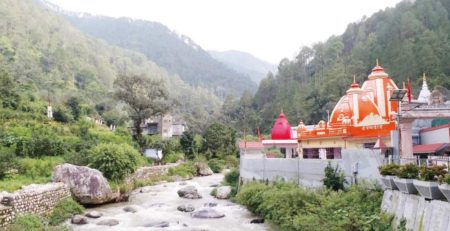
The Himalayan backdrop, pristine rivers, and lush forests create a perfect environment for meditation, yoga, and self-reflection. Many spiritual seekers visit Uttarakhand not just for religious reasons but also for peace and enlightenment.
Pilgrimage with a Touch of Adventure
Many spiritual sites require trekking, such as Kedarnath, Hemkund Sahib, and Tungnath, making the pilgrimage an adventurous yet deeply fulfilling experience.
Top 10 Spiritual Destinations in Uttarakhand
1. Char Dham Yatra – The Ultimate Hindu Pilgrimage
The Char Dham Yatra consists of four of the holiest Hindu shrines, each holding immense spiritual significance:
- Badrinath (The Abode of Vishnu) – Located along the Alaknanda River, Badrinath Temple is dedicated to Lord Vishnu and is one of the 108 Divya Desams. The temple opens between April and November, drawing millions of devotees. The Tapt Kund hot springs and Neelkanth Peak enhance the spiritual aura of the place.
- Kedarnath (Shiva’s Jyotirlinga in the Himalayas) – One of the 12 Jyotirlingas, Kedarnath Temple is believed to have been built by Adi Shankaracharya in the 8th century. The 16 km trek from Gaurikund to Kedarnath is both challenging and spiritually rewarding.
- Gangotri (The Origin of the Ganga) – Dedicated to Goddess Ganga, this sacred temple marks the place where the Ganges River is believed to have descended from heaven. The true origin of the river lies at the Gangotri Glacier, also called Gaumukh.
- Yamunotri (Source of the Yamuna River) – The temple is dedicated to Goddess Yamuna. Devotees take a holy dip in the Surya Kund hot springs before offering prayers at the temple.
2. Haridwar – Gateway to the Gods
One of the seven holiest cities in Hinduism, Haridwar is where the Ganges River enters the plains of North India.
- Har Ki Pauri – This sacred ghat is known for its spectacular Ganga Aarti, where thousands gather to witness floating diyas and chants filling the air.
- Mansa Devi Temple – A revered temple dedicated to Goddess Mansa, believed to fulfill the wishes of devotees who tie threads to the temple’s sacred tree.
- Chandi Devi Temple – Located atop Neel Parvat, it is associated with the legend of Goddess Chandi’s victory over demons.
- Kumbh Mela – Held every 12 years, this grand festival attracts millions of pilgrims who take a holy dip in the Ganga to cleanse their sins.
3. Rishikesh – The Yoga Capital of the World
A global hub for yoga and meditation, Rishikesh is a serene town along the Ganges River.
- Parmarth Niketan – A renowned ashram offering yoga, spiritual teachings, and the famous Ganga Aarti.
- Triveni Ghat – A sacred confluence of Ganga, Yamuna, and Saraswati, where devotees take ritualistic baths to cleanse their souls.
- Neelkanth Mahadev Temple – Situated at 1,330 meters, this is the legendary place where Lord Shiva drank the poison during the Samudra Manthan.
4. Hemkund Sahib – The Highest Sikh Shrine
This revered pilgrimage site for Sikhs is located at 4,632 meters.
- The trek to Hemkund Sahib offers breathtaking views of Himalayan peaks and the Valley of Flowers.
- The crystal-clear lake beside the gurudwara adds to its divine beauty, making it a must-visit spiritual site.
5. Jageshwar Dham – A Cluster of 100 Shiva Temples
Located in Almora, Jageshwar is an ancient site known for its beautifully sculpted stone temples dedicated to Lord Shiva.
- It is believed to be the 8th Jyotirlinga of Shiva.
- The temples, built between the 7th and 12th centuries, showcase Nagara-style architecture and attract pilgrims seeking divine blessings.
6. Patal Bhuvaneshwar – The Mystical Cave Temple
This 4-km long underground cave is believed to be the gateway to Patal Lok (the underworld).
- Inside, naturally formed stalactites and stalagmites resemble Hindu deities like Lord Shiva, Ganesha, and Sheshnag.
- Mythology suggests that 33 crore gods and goddesses reside in this cave.
7. Tungnath – The World’s Highest Shiva Temple
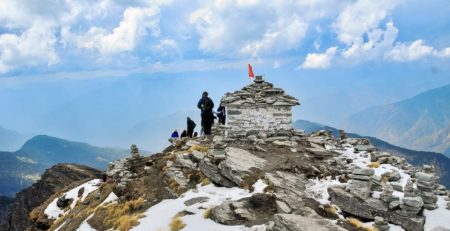
At 3,680 meters, Tungnath is the highest Shiva temple and part of the Panch Kedar temples.
- A scenic trek leads to the temple, offering stunning views of the Chandrashila peak.
- It is believed to be the site where Lord Shiva’s arms appeared after evading the Pandavas.
8. Baijnath Temple – An Ancient Architectural Wonder
Located in Bageshwar, this 9th-century temple is one of the most beautiful Shiva shrines in India.
- The Shivalinga in the temple is always submerged in water, symbolizing the ever-flowing energy of Shiva.
- The temple complex houses several other shrines dedicated to Hindu deities.
9. Kainchi Dham – The Power of Divine Meditation
Founded by Neem Karoli Baba, this ashram is world-famous for its spiritual energy.
- Visionaries like Steve Jobs and Mark Zuckerberg have visited this sacred site for inspiration.
- Devotees experience a strong sense of peace, healing, and spiritual awakening here.
10. Maya Devi Temple – The Shakti Peeth of Haridwar
One of the 51 Shakti Peeths, where Goddess Sati’s heart and navel are believed to have fallen.
- The temple is a significant center of Shakti worship and attracts devotees during Navratri and Kumbh Mela.
- It is considered one of the oldest temples in Haridwar, dating back to the 11th century.
- Devotees believe that worshipping at this temple grants protection, strength, and prosperity.
FAQs
What is the best time to visit Char Dham Yatra?
The ideal time for the Char Dham Yatra (Badrinath, Kedarnath, Gangotri, and Yamunotri) is between May and June and September to October. The temples remain closed from November to April due to heavy snowfall. The monsoon season (July-August) should be avoided due to the risk of landslides.
Why is Haridwar considered a holy city in Hinduism?
Haridwar is one of the Sapta Puri (seven sacred cities) in Hinduism and is believed to be the place where the Ganga River enters the plains. The city is famous for its Ganga Aarti at Har Ki Pauri, where thousands of devotees gather to witness the mesmerizing ritual. Haridwar is also home to Mansa Devi Temple, Chandi Devi Temple, and the Kumbh Mela, which is held every 12 years and attracts millions of pilgrims.
What makes Rishikesh the ‘Yoga Capital of the World’?
Rishikesh is known for its serene environment, ashrams, and spiritual energy. Saints and sages have meditated here for thousands of years. It is a global center for yoga, meditation, and Ayurveda, with institutions like Parmarth Niketan and the International Yoga Festival drawing seekers from around the world. The holy Triveni Ghat and the Neelkanth Mahadev Temple, dedicated to Lord Shiva, add to its spiritual charm.
How challenging is the trek to Hemkund Sahib?
The trek to Hemkund Sahib is a 19 km uphill journey from Govindghat, reaching an altitude of 4,632 meters (15,200 feet). Due to its high altitude, trekkers must acclimatize properly and be in good physical condition. The breathtaking views of the Valley of Flowers, along with the crystal-clear Hemkund Lake beside the Gurudwara, make the journey spiritually uplifting.
What is special about Jageshwar Dham?
Jageshwar Dham is a sacred complex of over 100 ancient stone temples dedicated to Lord Shiva. It is believed to be one of the 12 Jyotirlingas and dates back to the 7th-12th century. The temple’s Nagara-style architecture, surrounded by tall deodar trees and a peaceful atmosphere, makes it a significant pilgrimage destination. Many consider it the “Mini-Kashi of the Himalayas.”
What is the significance of Patal Bhuvaneshwar?
Patal Bhuvaneshwar is a mystical underground limestone cave believed to be a gateway to Patal Lok (the underworld). According to Hindu mythology, the cave is home to 33 crore deities, and its natural rock formations resemble Lord Shiva, Ganesha, and Sheshnag. The cave’s deep spiritual energy and legends make it a unique pilgrimage site.
What is the best way to reach Tungnath Temple?
Tungnath, the highest Shiva temple in the world at 3,680 meters (12,073 feet), is accessible via a 4 km scenic trek from Chopta. The trek offers breathtaking views of the Himalayas and continues further to Chandrashila Peak, which provides a panoramic 360-degree view of the Garhwal mountains. Tungnath is one of the Panch Kedar temples, where Lord Shiva is worshipped.
Why is Baijnath Temple an important religious site?
Baijnath Temple, built in the 9th century, is an ancient temple dedicated to Lord Shiva. It is believed that Lord Shiva and Goddess Parvati were married here. The temple is unique because its Shivalinga remains partially submerged in water, symbolizing the eternal energy of Shiva. The stunning Katyur Valley surroundings enhance its spiritual aura.
What makes Kainchi Dham a place of spiritual power?
Kainchi Dham, founded by Neem Karoli Baba, is famous for its strong spiritual vibrations and meditation practices. It is believed that those who visit the ashram with devotion experience peace, healing, and divine guidance. The ashram gained international attention after Steve Jobs, Mark Zuckerberg, and other visionaries visited it for inspiration. Many devotees consider it a place of miracles and spiritual awakening.
Why is Maya Devi Temple considered one of the most sacred Shakti Peeths?
Maya Devi Temple in Haridwar is one of the 51 Shakti Peeths, where it is believed that Goddess Sati’s heart and navel fell after her body was dismembered by Lord Vishnu’s Sudarshan Chakra. It is a significant Shakti worship site, drawing thousands of devotees, especially during Navratri and Kumbh Mela. The temple represents divine feminine power, and visiting it is believed to bring blessings and fulfillment of desires.
Uttarakhand, often referred to as “Dev Bhoomi” (Land of the Gods), is a spiritual treasure trove that offers divine experiences, breathtaking landscapes, and a deep sense of peace. From the revered Char Dham Yatra, where pilgrims seek salvation, to the sacred Haridwar and Rishikesh, which echo with the chants of Ganga Aarti, every corner of this Himalayan state is infused with spirituality. The mystical cave temples of Patal Bhuvaneshwar, the highest Shiva temple at Tungnath, and the serene Hemkund Sahib reflect the diverse religious harmony and faith that Uttarakhand embodies. Whether you seek inner peace through meditation at Kainchi Dham, wish to explore the ancient temples of Jageshwar and Baijnath, or experience the divine power of Maya Devi Temple, each pilgrimage site leaves visitors spiritually enriched.
More than just places of worship, these destinations offer a transformative journey, blending devotion, history, and nature. Uttarakhand’s spiritual sites serve as a reminder of India’s rich religious heritage and its eternal connection to the divine. A visit to these sacred places is not just a trip but a soulful experience that stays with you forever.