The Sacred Tale of Uma and the Deodars
A Story from Devran Dora
In the village of Devran Dora, Uttarakhand, a priest named Bhavanidutt and his compassionate daughter Uma are devoted to the Shiva temple and the sacred deodar trees. Uma, deeply connected to the forest, cares for a deodar tree she planted at home. One day, after seeing wild elephants in the forest, Uma discovers that an elephant has damaged a deodar tree’s bark, causing her great distress. Moved by her concern, her father learns of her deep empathy for nature. Legend says Uma was reborn as the daughter of the Himalayas and that Shiva, touched by her devotion, adopted the deodar trees as his children. To this day, the deodars are protected by the forest goddess, reflecting Uma’s enduring legacy of love and respect for nature.
In the picturesque village of Devran Dora in Chamoli district, there once lived a priest named Bhavanidutt. He was the priest of the village’s Shiva temple and had a daughter named Uma. Like her father, Uma was deeply religious. She accompanied him to the temple daily, where she performed the rituals and offered Ganga water and Mandar flowers to the Shiva Lingam. To collect these flowers, Uma would venture into the forest every day. As she reached for the Mandar flowers, the branches of the deodar trees would automatically bend down for her.
Uma had a deep affection for the forest and loved sitting in the shade of the dense deodar trees. She was particularly fond of the pine trees in the forest. At home, she had also planted a deodar tree in her courtyard and watered it diligently every day, taking great joy in watching it grow. In the serene landscapes of Garhwal, these deodar trees seemed like an extension of her soul.
One day, as Uma and her father were heading to the temple, a herd of wild elephants appeared in front of them. Uma, frightened, clung to her father. He reassured her gently, “Don’t be afraid. This herd of elephants has come to wander in the forest. It seems they, too, prefer the deodars of the forest. They will leave soon.”

After their temple rituals, Uma went to the forest as usual. When she did not return for a long time, Bhavanidutt grew concerned and went in search of her. A short distance into the forest, he found Uma standing beneath a deodar tree, crying. Seeing his daughter in distress, Bhavanidutt asked anxiously, “Uma, what happened?”
Uma pointed to the deodar tree’s trunk and said, “Father, a wild elephant has scratched its back against this tree, stripping off its bark. Just imagine how much pain it must be in.” Seeing his daughter’s deep empathy for the trees, Bhavanidutt’s heart was filled with compassion. He marveled at how his little girl had such a vast heart, filled with care even for trees.
Legend has it that this little Uma was reborn as Uma, the daughter of the Himalayas. When Shiva married Uma, he was so pleased with her devotion that he adopted the deodar trees growing in the Himalayas as his own children. Shiva and Parvati are said to have a paternal affection for these deodar trees. Their nurturing gaze still rests upon the deodars today. In the dense forests of the Himalayas, the forest goddess herself protects the deodar trees from creeping creatures and wildfires caused by friction.
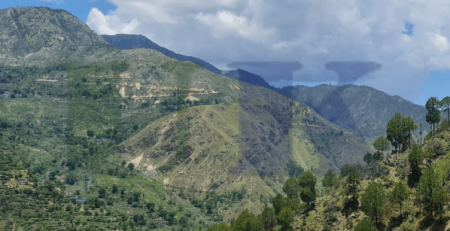
In the beautiful valleys of Garhwal, these deodar trees not only enhance the landscape with their greenery and cool shade but also form an integral part of this legendary tale. The story of Uma teaches us a profound lesson in love and devotion towards nature.
In the high Himalayas, the beauty of the deodar trees stands as a testament to Uma’s legacy.
From the story, we learn the importance of empathy and compassion towards all living beings and the environment. Uma’s deep care for the deodar trees and her distress over their harm highlight how empathy can extend beyond people to nature. The story underscores the respect and reverence for nature prevalent in Garhwal and Uttarakhand, showing that caring for the environment is deeply ingrained in local culture and spirituality. Uma’s devotion and love for the trees left a lasting legacy, demonstrating how personal virtues can have a broader spiritual and cultural impact. The tale also emphasizes the significance of protecting the environment, as reflected in the story’s conclusion where the forest goddess safeguards the deodar trees, symbolizing that our respect for nature can lead to its protection by higher powers.