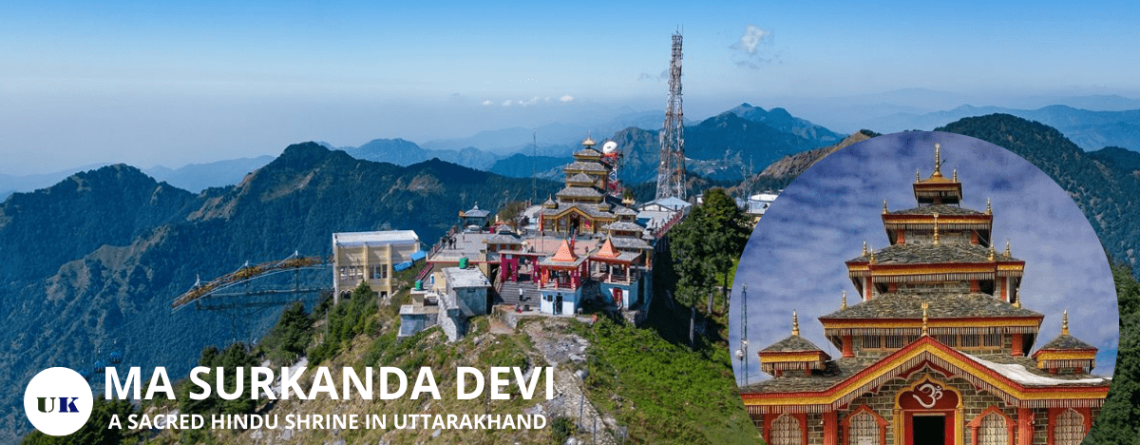
Surkanda Devi Temple
A Sacred Hindu Shrine in Uttarakhand
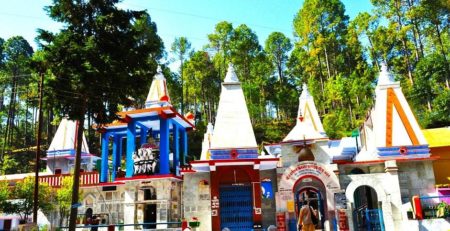
The Surkanda Devi Temple is a prominent Hindu temple located in the Kanatal village of Tehri Garhwal district, Uttarakhand, India. Situated at an elevation of 2756 meters, the temple is approximately 8 kilometers from Dhanaulti.
Nestled amidst dense forests, the temple offers a picturesque view of the Himalayan range to the north and the nearby towns such as Dehradun and Rishikesh to the south. The temple becomes particularly lively during the Ganga Dussehra festival, celebrated between May and June each year, attracting a large number of devotees.
Surkanda Devi Temple is set amidst rhododendron trees and is often shrouded in mist throughout most of the year, adding to its mystical and enchanting atmosphere.
Mythological Origins
The origins of worship at Surkanda Devi Temple are deeply rooted in one of the most enduring legends of Sati, the wife of the ascetic god Shiva and the daughter of the mythical demon-king Daksha. Daksha disapproved of his daughter’s choice of husband and, when he organized a grand Vedic yajna (ritual sacrifice) for all the deities, he deliberately excluded Shiva and Sati.
In a fit of anger and defiance, Sati immolated herself, knowing that this act would desecrate the yajna. As a supreme goddess, Sati immediately left her body and was reborn as Goddess Parvati. Meanwhile, Shiva was devastated and enraged by the loss of his wife. He carried Sati’s corpse on his shoulder and began performing the Tandava, a cosmic dance of destruction, vowing not to stop until the body had decayed completely.
Frightened by the ensuing destruction, the other gods pleaded with Vishnu to calm Shiva. Consequently, Vishnu followed Shiva and used his Sudarshan Chakra (discus) to cut Sati’s body into pieces, which fell across the Indian subcontinent. These places are known as Shakti Peeths, each dedicated to powerful goddesses.
As Shiva carried Sati’s dismembered body back to Kailash, her head fell at the site of what is now the Surkanda Devi Temple. This area was originally known as Shirkhanda, a name that later evolved into Surkanda. The temple now stands as a revered site, marking the place where Sati’s head is believed to have fallen.
Legend , Miracle and History
The temple is famed not only for its divine history but also for the miraculous events that have been reported by devotees. One of the most well-known miracles is the phenomenon of “unburned flames.” During certain festivals, especially during the Ganga Dussehra, a sacred fire is lit near the temple. Devotees have reported that despite heavy rains and adverse weather conditions, the flames of this sacred fire never extinguish and remain glowing brightly. This miracle is interpreted by believers as a divine sign of the goddess’s presence and protection.
Additionally, it is said that during the Ganga Dussehra festival, which occurs between May and June, the temple transforms into a vibrant hub of spiritual activity. Pilgrims from all over come to witness the miraculous aura of the temple, with many claiming to have experienced personal miracles such as healed ailments and fulfilled wishes.
Cultural Significance
Surkanda Devi Temple is not just a site of miracles but also a focal point of cultural and religious gatherings. The annual fair held during Bhadoon (the Hindu month of Bhadrapad) attracts thousands of pilgrims and tourists. This fair is a celebration of the goddess’s divine power and the local heritage, featuring traditional music, dance, and rituals.
Conclusion
The Surkanda Devi Temple in Uttarakhand stands as a testament to the deep-rooted faith and enduring legends of Hindu spirituality. The miraculous occurrences reported at the temple continue to inspire and strengthen the devotion of its visitors. Whether you are drawn by the rich mythology, the stunning natural beauty, or the miraculous phenomena, Surkanda Devi Temple offers a unique and profound spiritual experience that resonates deeply with the soul.