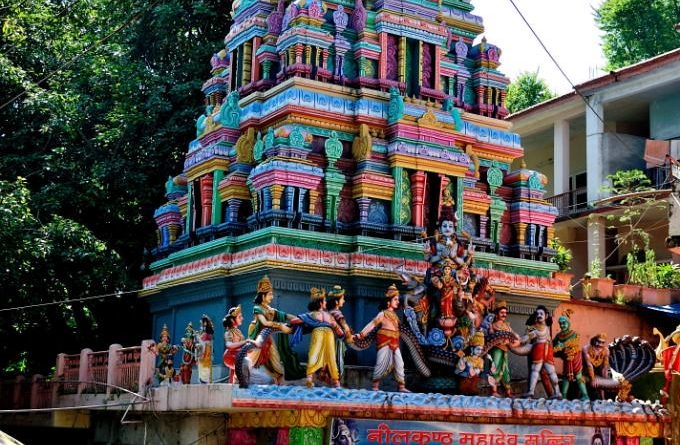
Neelkanth Mahadev
The Legend of Shiva’s Blue Throat
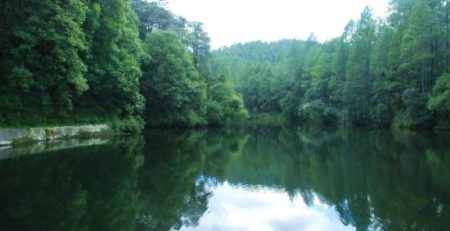
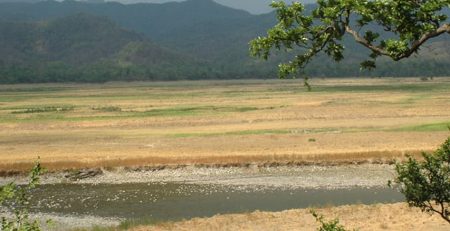
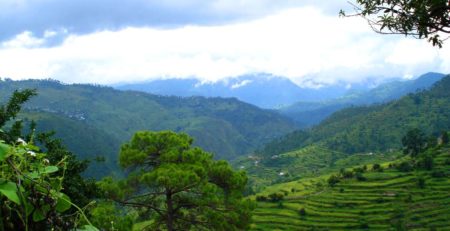
Neelkanth Mahadev Temple is a revered Hindu shrine located near Rishikesh, in the Pauri Garhwal district of Uttarakhand, India. Dedicated to Lord Shiva, this temple holds great significance in Hindu mythology, especially in connection with the story of Samudra Manthan (churning of the ocean). The temple is situated at an altitude of 1,330 meters, surrounded by lush forests and the serene valleys of the Nar and Manikoot mountains, offering breathtaking views of the surroundings.
Mythological Significance
In yogic tradition, there is a significant story involving the gods and demons who were constantly at war. The battles were so frequent and deadly that both sides decided to churn the ocean to obtain the nectar of immortality, known as amrita, which was hidden within it. Their goal was to share this nectar so that they could become immortal and continue their battles happily. The nature of war is such that it is horrific due to the many deaths it causes. If death could be overcome, war could become a grand affair.
They decided to collaborate and churn the ocean. According to the story, they used the Mount Meru as the churning rod and a massive serpent as the rope. As they began the churning, instead of the nectar of life, a deadly poison called halahal emerged from the depths of the ocean. The poison was in such great quantity that all the gods were terrified that if it spread, it would destroy the entire world. No one was willing to deal with it.
As was often the case, when no one was prepared to act, they decided that Shiva would be the one to handle the situation. They showed Shiva the amount of poison that was emerging and said, “If this spreads, life will be destroyed. You must do something.” Without any concern, Shiva drank the poison. His wife, Parvati, saw this and held his throat, so the poison stopped at his throat, turning it blue.
This story has a profound meaning. If you delve into a person’s depth, you find only one thing—continuously expanding life. If they connect their identity to this, their mind and emotions will function accordingly. However, if you only touch them on a superficial level, you see things like gender, nationality, and other identifiers. This discrimination is the poison. When they churned the surface, the world’s poison came out. Everyone was fleeing from this poison because no one wants to touch it.
Lord Shiva drank the poison and it remained in his throat. If it had gone inside him, he would have been unable to expel it. But by keeping it in his throat, he could expel it whenever necessary. If the poison is in your throat, you can spit it out. If it enters your body, you cannot get it out. Currently, your national identity, gender, family, genetic identities, racial identities, and religion are not just in your throat but have penetrated every cell of your body. They need to be churned up so that you can expel them and live here as just a part of life.
This is symbolized by Shiva’s blue throat. He absorbed all the poison of the world into his throat, and whenever needed, he was prepared to spit it out. If it had entered his body, there would have been no way to remove it. The entire spiritual process is akin to this churning process, where all your biases come to the surface, and one day, you will be asked to expel them. If they are deeply ingrained, how will you remove them? If I try to expel your biases, it might feel like your life is being taken away. If I attempt to eliminate your identities related to gender, family, or country, it might seem like your life is ending. No, it is just the poison of discrimination being removed. Therefore, now is the time to expel the poison of discrimination.
Architecture and Setting
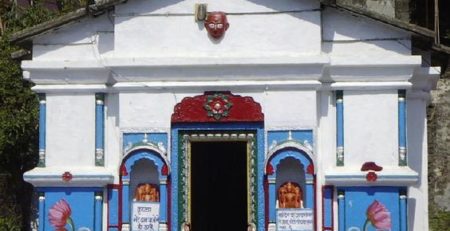
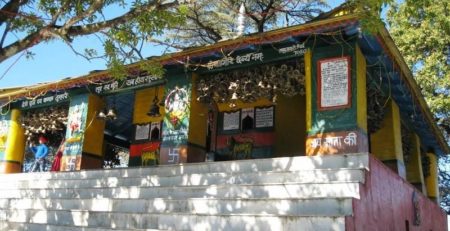
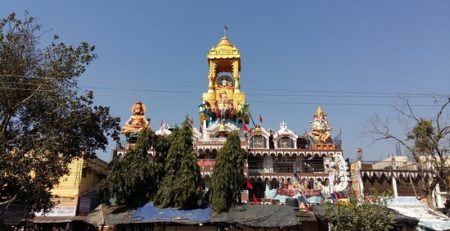
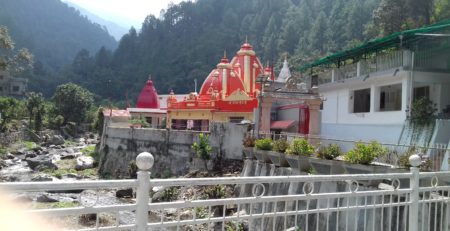
The temple features traditional North Indian architecture, with a serene and spiritual atmosphere that attracts devotees from across the country. Inside the temple, a Shiva Lingam is worshipped, and the walls are adorned with depictions of various stories from Hindu mythology. The temple is surrounded by dense forests, and the area offers a peaceful retreat for those seeking spiritual solace.
Pilgrimage and Festivals
Neelkanth Mahadev Temple is a popular pilgrimage site, especially during the festival of Mahashivratri, when thousands of devotees visit to offer prayers and seek blessings. Another important event is the Kanwar Yatra, when devotees carry sacred water from the Ganga River to pour over the Shiva Lingam as an offering.
The serene surroundings and the religious importance make Neelkanth Mahadev Temple a must-visit destination for spiritual seekers and nature lovers alike.