Religious Rituals in Uttarakhand
A Journey Through Devotion and Culture
Uttarakhand, fondly referred to as the “Land of Gods” (Devbhoomi), is a treasure trove of spiritual and cultural heritage. Nestled amidst the majestic Himalayas, the state is renowned for its ancient temples, vibrant festivals, and deeply rooted traditions. Religious rituals in Uttarakhand are not just acts of devotion but also a way of life that binds the community together and keeps centuries-old practices alive.
Char Dham Yatra: A Pilgrim’s Path to Salvation
The Char Dham Yatra is one of India’s most revered spiritual journeys, attracting millions of devotees every year. This sacred pilgrimage involves visiting four holy shrines—Yamunotri, Gangotri, Kedarnath, and Badrinath.
- The journey begins with a purification bath in the sacred rivers Yamuna and Ganga, believed to cleanse sins and purify the soul.
- Pilgrims perform elaborate prayers and rituals at each shrine, often guided by priests who chant Vedic hymns.
- The trek through the scenic Himalayas adds to the spiritual experience, symbolizing a path to self-realization and divine connection.
Jagar: Invoking the Divine and Ancestral Spirits
Jagar is a unique ritualistic practice in Uttarakhand where local deities or ancestral spirits are invoked to seek blessings, guidance, or solutions to worldly problems.
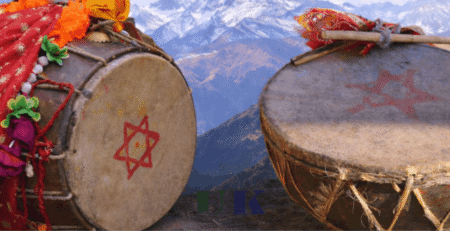
- A jagariya, or ritual priest, leads the ceremony by singing ballads and mythological stories accompanied by instruments like the dhol and damau.
- The ritual often involves a trance state, where the spirit or deity communicates through a medium.
- Jagar is not just a religious practice but also a cultural expression, showcasing Uttarakhand’s belief in the interconnectedness of the divine and human realms.
The Spiritual Glow of Ganga Aarti
The Ganga Aarti, performed at Haridwar and Rishikesh, is a spectacle of devotion and gratitude to the River Ganga, regarded as a goddess and lifeline of India.
- As the sun sets, priests clad in traditional attire light ornate brass lamps and chant sacred hymns.
- Devotees gather along the riverbanks to witness this divine ritual, offering floating diyas (lamps) and flowers to the river.
- The aarti creates an enchanting atmosphere, symbolizing the eternal bond between humanity and nature.
Nanda Devi Raj Jat Yatra: A Sacred Pilgrimage
Dedicated to Goddess Nanda Devi, the Nanda Devi Raj Jat Yatra is a once-in-a-lifetime experience for many, held every 12 years.
- Devotees embark on a strenuous three-week journey through rugged terrains to the high-altitude shrine of Hemkund.
- Along the way, rituals include offerings of milk, flowers, and traditional foods to the goddess.
- The pilgrimage reflects the people’s unwavering faith and their connection to the divine and nature.
Pandav Nritya: A Unique Folk Ritual
Pandav Nritya, or the Dance of the Pandavas, is a traditional ritualistic dance performed in the villages of Uttarakhand.
- The dance narrates the stories of the Mahabharata and the lives of the Pandavas.
- Villagers dress as mythological characters and enact the epic while singing folk songs.
- It is performed during special occasions and religious festivals, serving as both entertainment and devotion.
Kandali Festival: Celebrating Resilience and Nature
The Kandali Festival is a unique celebration in the Chaundas Valley, marking the blooming of the Kandali flower, which blooms once every 12 years.
- Villagers perform ceremonial dances and prayers, seeking prosperity and protection.
- Rituals include symbolic destruction of the flower, representing resilience against historical invasions.
- This festival showcases the vibrant traditions and unity of Uttarakhand’s tribal communities.
Bhaitauli and Bhitauli: Strengthening Family Bonds
Bhaitauli and Bhitauli are rituals deeply ingrained in the cultural fabric of Uttarakhand, celebrated to strengthen the bond between brothers and sisters.
- Sisters send gifts to their brothers, who, in return, vow to protect them.
- The exchange is accompanied by prayers for each other’s prosperity and well-being.
- These rituals emphasize family values and the importance of sibling relationships in Uttarakhandi culture.
Harela Festival: Worship of Nature and Agriculture
The Harela Festival is celebrated three times a year, marking the agricultural cycles and seasonal changes.
- Families worship clay idols of deities along with young saplings, symbolizing growth and fertility.
- The festival involves prayers for a bountiful harvest and blessings for the well-being of the family and community.
- Harela is a reminder of the region’s agrarian roots and its reverence for the environment.
Mahasu Devta Puja: Honoring the Local Guardian
Mahasu Devta is a revered deity in Uttarakhand, worshipped for protection and prosperity.
- Devotees offer rice, jaggery, and milk during grand pujas held in the deity’s temples.
- Festivals associated with Mahasu Devta often feature folk music, dances, and fairs, creating a vibrant community event.
- The rituals highlight the significance of local deities in the spiritual lives of Uttarakhand’s people.
Fairs and Melas: A Blend of Rituals and Festivities
The fairs and melas of Uttarakhand, such as the Kumbh Mela in Haridwar and Nanda Devi Fair, are grand events where religious rituals and cultural activities blend seamlessly.
- Pilgrims take holy dips in rivers during these fairs, seeking spiritual purification.
- Melas also serve as platforms for local crafts, food, and music, making them vibrant community gatherings.
- Rituals performed during these fairs symbolize gratitude to deities and mark auspicious beginnings.
Daily Temple Rituals Across the State
Uttarakhand’s temples, from the iconic Kedarnath to small village shrines, follow a daily routine of rituals that keep the divine presence alive.
- Mornings begin with the abhishekam, where deities are bathed with sacred substances like milk, honey, and water.
- Devotees offer freshly prepared food as bhog, symbolizing gratitude and devotion.
- Evenings are marked by the aarti, where lamps are lit, and prayers are chanted, creating a serene and spiritual atmosphere.
Surya Pooja: Worshipping the Sun God
The Surya Pooja is an ancient ritual performed in various parts of Uttarakhand to honor Surya, the Sun God.
- Early mornings see devotees offering water, flowers, and prayers to the rising sun.
- Farmers often perform this ritual during the harvest season, seeking blessings for a good yield.
- The pooja is deeply symbolic, reflecting the reliance on nature and celestial bodies in the region’s agrarian culture.
Nanda Ashtami: Celebrating the Goddess of Prosperity
Nanda Ashtami is an eight-day festival dedicated to Goddess Nanda, believed to bring prosperity and protection to the people.
- The festivities involve decorating idols of the goddess, offering fruits, and singing folk hymns.
- Women of the community play a central role in organizing and performing the rituals, strengthening communal ties.
- The festival concludes with a grand procession, showcasing the artistic and spiritual traditions of Uttarakhand.
Bhairav Puja: Honoring the Fierce Protector
Bhairav Puja is an important ritual in many temples across Uttarakhand, dedicated to Lord Bhairav, regarded as a guardian deity.
- The rituals often include animal sacrifices (in some regions), offering liquor, and chanting mantras to seek the deity’s protection.
- The puja is particularly significant in villages, where Bhairav is invoked to ward off evil and ensure communal harmony.
Hilltop Bonfires: The Ritual of Phool Dei
Phool Dei is a springtime festival and ritual where young girls offer flowers, jaggery, and rice to deities as a symbol of prosperity.
- Houses are adorned with flower petals, and bonfires are lit on hilltops to ward off evil spirits.
- It is also an occasion to celebrate the changing seasons and the abundance of nature.
- The festival emphasizes Uttarakhand’s deep-rooted connection to its environment and agrarian traditions.
Bat Savitri Puja: Celebrating Marital Bond
Bat Savitri Puja is widely celebrated by married women in Uttarakhand, who pray for the longevity and well-being of their husbands.
- Women fast and worship the banyan tree, symbolizing resilience and immortality.
- The ritual involves tying red threads around the tree, offering fruits, and reciting stories of Sati Savitri.
- It highlights the importance of marital bonds and devotion in the cultural fabric of Uttarakhand.
Devi Dances and Shakti Worship
The region’s temples dedicated to Shakti (the divine feminine) often host rituals involving traditional dances and devotional songs.
- Women and men participate in circular dances around the temple, offering prayers through music and movement.
- These rituals are common during Navratri and other festivals dedicated to goddesses like Kali, Durga, and Nanda Devi.
- They reflect the power of collective faith and the celebration of divine energy.
Pind Daan at Haridwar
Haridwar, one of the holiest cities in India, is a prime location for the Pind Daan ritual, performed for the peace of departed souls.
- Families gather on the banks of the Ganga to perform shraddha ceremonies, guided by priests.
- Offerings of food, ghee, and sacred water are made while chanting Vedic hymns.
- The ritual is believed to liberate the souls of ancestors, helping them attain moksha (salvation).
Baikunth Chaturdashi: A Unique Floral Offering
Baikunth Chaturdashi is celebrated in the Vishwanath Temple in Uttarkashi, combining Shiva and Vishnu worship.
- The ritual involves offering a garland made of 1,000 lotus flowers, symbolizing purity and devotion.
- Devotees stay awake all night, meditating and chanting prayers, seeking blessings for prosperity and spiritual enlightenment.
Folk Healing Rituals
Many rural communities in Uttarakhand practice rituals for healing and protection, blending religion with ancient medicinal knowledge.
- Ritual healers, often known as bajgis, perform ceremonies to cure illnesses or remove curses.
- Sacred ash, herbs, and chants are commonly used during these rituals.
- Such practices highlight the intersection of faith and traditional medicine in the region.
Makar Sankranti and Ghughutiya: Celebrating Seasonal Changes
Makar Sankranti, known locally as Ghughutiya, is celebrated to mark the transition of the sun into Capricorn.
- Families prepare sweets made of jaggery and sesame seeds, offering them to birds and deities.
- Children create garlands of sweets and sing traditional songs, welcoming migratory birds back to the region.
- The festival symbolizes renewal, gratitude to nature, and the cycle of life.
Kalash Sthapana: An Integral Ritual During Navratri
During Navratri, a kalash (sacred pot) is placed in homes and temples to invoke the blessings of the goddess.
- The kalash is filled with holy water, covered with mango leaves, and topped with a coconut, symbolizing purity and prosperity.
- Daily prayers and offerings are made, with the final day involving grand celebrations and communal feasts.
- This ritual is central to Navratri and emphasizes the divine presence in households.
A Tapestry of Faith and Culture
Religious rituals in Uttarakhand are a celebration of faith, nature, and heritage. From grand pilgrimages to intimate family ceremonies, these practices weave together spirituality and everyday life. They reflect the resilience and harmony of the people with their environment, offering a unique perspective on devotion and culture in this Himalayan state.