Ranikhet
A Blend of History and Natural Splendor
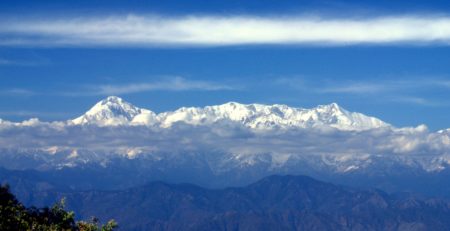
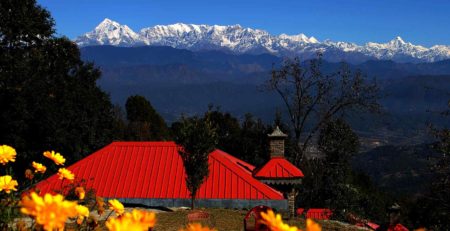
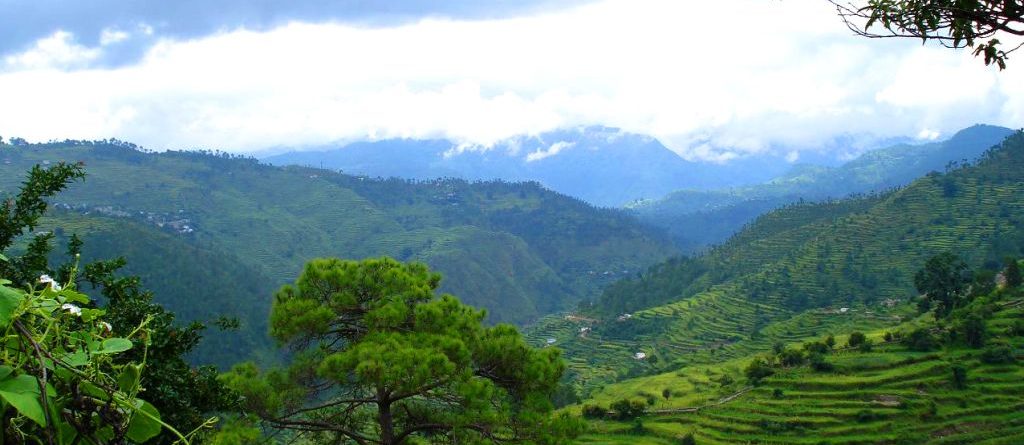
Ranikhet, located in the Almora district of Uttarakhand, is a serene hill station and a cantonment town steeped in history and natural beauty. At an elevation of 1,869 meters (6,132 feet) above sea level, Ranikhet offers breathtaking views of the western Himalayan peaks. Known for its tranquil ambiance and strategic importance, it is the home of the Kumaon Regiment, the Naga Regiment, and the Military Hospital, all maintained by the Indian Army.
The Name and Its Legend
The name “Ranikhet,” meaning “Queen’s Meadow,” is rooted in local folklore. It is said that Raja Sudhardev, a Katyuri ruler, won the heart of his queen, Rani Padmini, in this enchanting land. Although no palace exists today, the charm of the place continues to captivate its visitors.
Historical Significance
Colonial Era
During British rule, Ranikhet gained prominence as a military station and a retreat from the Indian summer. In 1869, it became the headquarters of the Kumaon Regiment, and the following year, a cantonment was officially formed after acquiring land from local villages. The region became a hub for British officers, and several colonial structures were established, including a treasury, a police station, and reserved forests.
Ranikhet was even considered as an alternative summer capital of British India, a role eventually taken by Shimla. By 1900, the town had a summer population of 7,705, showcasing its importance during the colonial era.
Post-Independence Movements
After India’s independence, Ranikhet saw movements for district status, driven by its administrative and strategic significance. Despite several proposals and public agitations from the 1960s to the 2010s, the demand for creating a Ranikhet district remains unfulfilled due to the lack of a gazette notification.
Cultural and Natural Heritage
Cantonment and Military Legacy
Ranikhet is synonymous with its military heritage. The Kumaon Regiment Museum stands as a testament to the valor and history of the regiment, showcasing weapons, artifacts, and memorabilia.
Forests and Wildlife
Declared reserved forests in 1873, Ranikhet’s surrounding woods are rich in biodiversity and contribute to the town’s serene environment. The dense cover of pine, oak, and deodar trees is home to a variety of flora and fauna.
Colonial Charm
The colonial-era bungalows, churches, and the famous Ranikhet Polo Ground transport visitors to a bygone era. These landmarks are not just relics but also significant attractions for history enthusiasts.
Tourist Attractions
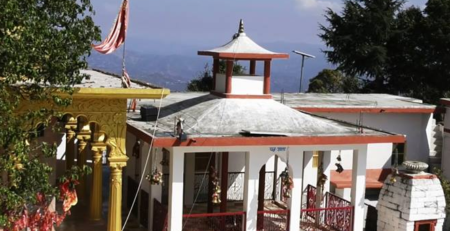
- Jhula Devi Temple: An ancient temple dedicated to Goddess Durga, known for fulfilling the wishes of devotees.
- Chaubatia Gardens: A vast orchard offering panoramic views of the Himalayas.
- Upat Golf Course: One of Asia’s highest golf courses, surrounded by breathtaking landscapes.
- Bhalu Dam: A serene artificial lake, ideal for picnics and nature walks.
Present-Day Ranikhet
Today, Ranikhet is a Class IV town governed by a Cantonment Board. It remains a haven for travelers seeking tranquility and adventure. Activities like trekking, bird watching, and exploring colonial landmarks make it a popular destination.
How to Reach Ranikhet
- By Air: Pantnagar Airport, 110 km away, is the nearest airport.
- By Rail: Kathgodam Railway Station, 80 km away, connects Ranikhet to major cities.
- By Road: Well-connected by roads, Ranikhet is accessible from Delhi, Nainital, and other towns in Uttarakhand.
Ranikhet’s timeless appeal lies in its rich history, military legacy, and unspoiled natural beauty. Whether for a peaceful getaway or a glimpse into the past, this “Queen’s Meadow” remains a cherished gem in the Kumaon Hills.