Panch Prayag
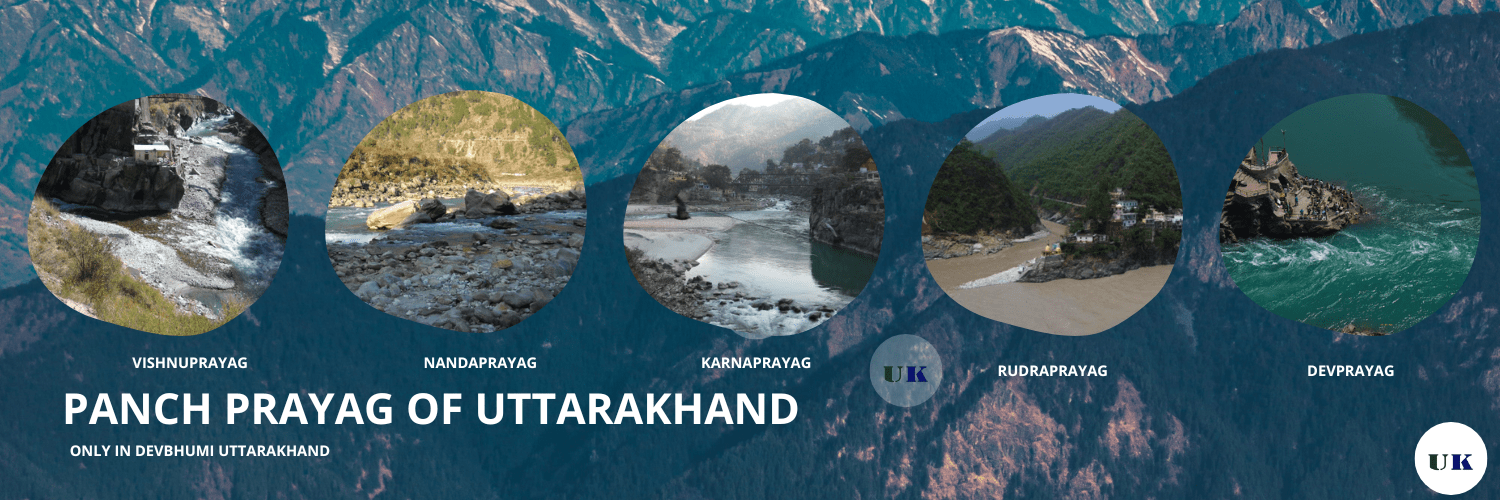
Sacred Confluence of Vishnuprayag, Nandprayag, Karnaprayag, Rudraprayag, and Devprayag, Embodying Divine Spirituality in Uttarakhand.
Uttarakhand, often called the “Land of Gods,” is not only known for its breathtaking Himalayan landscapes but also for its deep spiritual significance. Among the many sacred sites of the region, the Panch Prayag stands as a prominent pilgrimage route, where five sacred confluences of rivers—referred to as “Prayags”—merge to form a divine union. Each Prayag holds a special place in Hindu mythology and is considered a highly auspicious location for spiritual purification and devotion.
The term Panch Prayag translates to “Five Confluences,” and these spots are formed by the confluence of the Alaknanda River with other important tributaries. These rivers are considered sacred in Hinduism, and the Prayags they form are believed to hold immense spiritual significance. For centuries, pilgrims have traveled to these Prayags to perform rituals and seek blessings, making it a vital part of the Char Dham Yatra.
Here’s a closer look at the five Prayags, their significance, and their role in Hindu mythology and spirituality.
1. Vishnuprayag
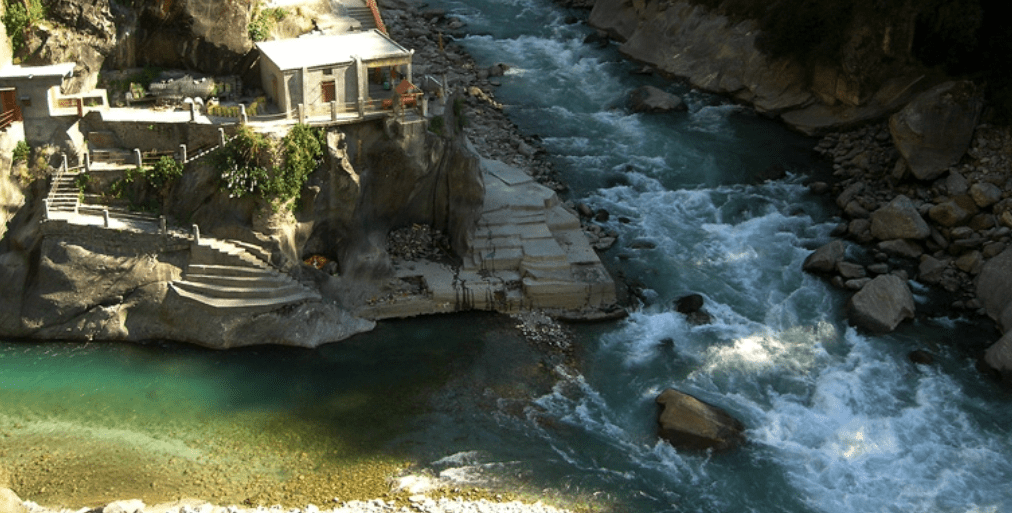
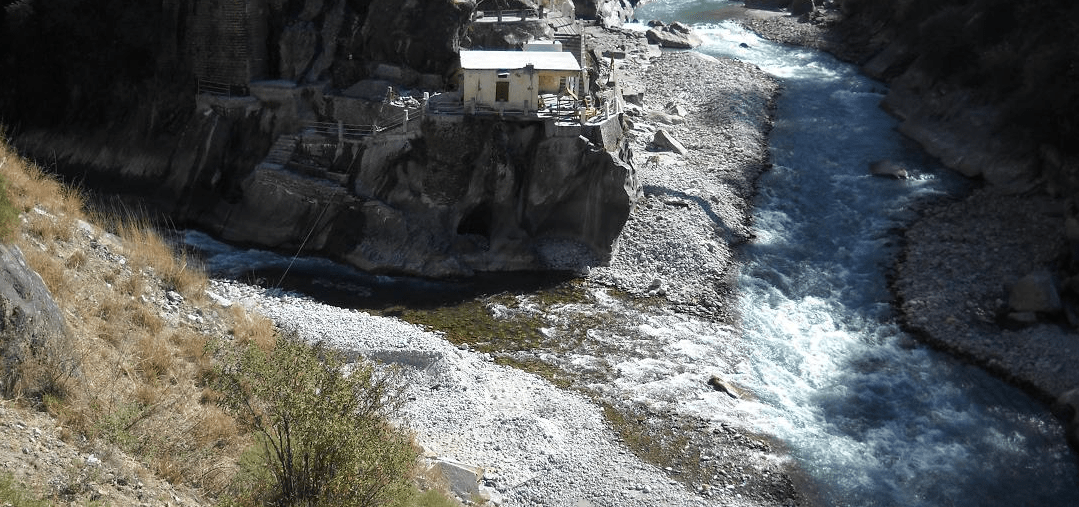
Vishnu Prayag, the first of the Panch Prayags, is located at the confluence of the Alaknanda and Dhauliganga rivers, near the town of Joshimath in the Chamoli district of Uttarakhand. This Prayag is named after Lord Vishnu, the preserver of the universe, and is believed to be a place where Lord Vishnu meditated and gained strength before his epic battle with the demon king Bali.
In this area, devotees can visit the Vishnu Temple, which is dedicated to Lord Vishnu. The temple is situated on a hilltop, offering panoramic views of the surrounding mountains and valleys. The sacred waters of Vishnu Prayag are believed to purify the soul, and pilgrims believe that bathing here cleanses them of their sins.
The region is also home to several other ancient temples, making it a hub of spirituality. The site offers a sense of calm and divine presence, attracting both pilgrims and nature lovers.
2. Nandprayag
Nand Prayag is the second Prayag in the series and is located at the confluence of the Nandakini River and the Alaknanda River. It is named after Nand, the foster father of Lord Krishna. According to mythology, Nand performed various rituals for Lord Krishna’s well-being at this sacred site.
The Nand Prayag temple, dedicated to Lord Nand, stands at the confluence, and pilgrims visit this spot to seek blessings for their families and loved ones. Nand Prayag holds great significance as it is believed that Lord Krishna’s foster parents, Nand and Yashoda, were blessed by divine forces at this spot.
Nand Prayag is also an area surrounded by natural beauty, with lush green forests and towering mountains. This Prayag offers peace and tranquility, making it an ideal spot for spiritual reflection.
3. Karnaprayag
Karna Prayag is the third Prayag and is located at the confluence of the Alaknanda River and the Pindar River. The Prayag is named after the mighty warrior Karna, one of the central characters in the Mahabharata, who is believed to have worshiped the Sun God at this location. According to legend, Karna meditated here to seek the blessings of the Sun God, Surya, and to gain the divine armor that made him nearly invincible in battle.
Karna Prayag is home to the Karna Temple, where devotees visit to offer prayers to the Sun God and seek blessings for strength and courage. It is said that those who visit Karna Prayag will be blessed with wisdom and divine protection.
The confluence is surrounded by verdant landscapes, and the Pindar River is known for its crystal-clear waters. Visitors often come here to enjoy the natural beauty and to connect with the energy of Karna’s divine presence.
4. Rudraprayag
Rudra Prayag, the fourth Prayag, is one of the most sacred and significant confluences in the region. It is located at the junction of the Mandakini River and the Alaknanda River and is named after Lord Shiva, also known as Rudra, who is believed to have meditated at this spot.
Rudra Prayag holds immense religious importance, and the Rudra Prayag Temple is dedicated to Lord Shiva. The temple, located at the confluence, is an important pilgrimage site for those seeking spiritual growth, peace, and divine blessings. The presence of Lord Shiva at this Prayag is believed to provide solace to the devotees and remove all obstacles in their path.
Rudra Prayag is also known for its stunning landscapes, with lush green valleys, serene river banks, and majestic Himalayan views. Pilgrims often stop here on their way to the Char Dham shrines, making it an essential spiritual hub in Uttarakhand.
5. Devprayag
Devprayag, the fifth and most revered Prayag, is located at the confluence of the Bhagirathi River and the Alaknanda River, where the two rivers merge to form the mighty Ganga (Ganges). Devprayag is considered the most significant of the Panch Prayags, as it marks the origin of the Ganga River, which is revered as the holiest river in Hinduism.
The temple at Devprayag is dedicated to Lord Ram, and the Raghunath Temple is the main attraction. It is believed that Lord Ram meditated at this spot to seek blessings for his divine mission. Devprayag holds immense importance, not only for its spiritual connection to the Ganga but also for its unique history, as it is believed to be the site where the sage Bhagirath performed penance to bring the Ganga to Earth.
Devprayag is a place of deep spiritual significance, attracting thousands of pilgrims each year. The confluence of the Bhagirathi and Alaknanda rivers is a place where devotees gather to take a holy dip in the waters, believing it will purify them of all sins. It is also the final stop for pilgrims before they reach the Char Dham shrines.
Spiritual and Cultural Importance of Panch Prayag
Panch Prayag represents a journey through sacred waters, with each Prayag offering a unique spiritual experience. These confluences are more than just natural phenomena; they symbolize the unity of divine forces and the flow of purity through the sacred rivers of Uttarakhand. For centuries, these Prayags have been central to the religious life of the region, attracting pilgrims and devotees who seek blessings, purification, and spiritual fulfillment.
In addition to their religious significance, the Prayags also offer an opportunity for travelers to connect with nature. The journey to each Prayag provides breathtaking views of the majestic Himalayan ranges, lush forests, and pristine rivers, making it a remarkable experience for nature enthusiasts and adventure seekers.
For those on a spiritual journey, visiting the Panch Prayag is considered a means of cleansing the soul and attaining peace. It is a way to experience the divine presence of the gods and to immerse oneself in the timeless beauty of nature.
Panch Prayag circuit is a sacred route through the heart of Uttarakhand, where the confluence of five rivers signifies the union of spirituality, nature, and mythology. Each Prayag offers a unique connection to Hindu deities, historical figures, and divine energy. Whether you are a pilgrim seeking solace, a nature lover looking to experience the beauty of the Himalayas, or a traveler wanting to explore the rich spiritual history of Uttarakhand, the Panch Prayag is a journey that will leave you with lasting memories and a deeper connection to the divine.