Panch Kedar
A Divine Journey through Kedarnath, Tungnath, Rudranath, and Madhyamaheshwar, Culminating in the Sacred Kalimath Temple in Uttarakhand.
Panch Kedar refers to a group of five ancient temples dedicated to Lord Shiva, located in the stunning Garhwal region of Uttarakhand, India. These temples are scattered across the magnificent Himalayan mountains and are considered some of the holiest places of worship in the Hindu religion. The Panch Kedar Yatra is a revered pilgrimage for devotees, who seek to honor Lord Shiva and attain spiritual salvation.
The five temples that make up the Panch Kedar circuit are:
- Kedarnath Temple
- Tungnath Temple
- Rudranath Temple
- Madhyamaheshwar Temple
- Kalimath Temple (sometimes considered part of the circuit)
Each of these temples holds unique religious and historical significance and is dedicated to a different body part of Lord Shiva. The journey through these sacred sites is not just a religious experience but also a chance to witness the serene beauty of the Himalayas.
1. Kedarnath Temple: The Sacred Jyotirlinga
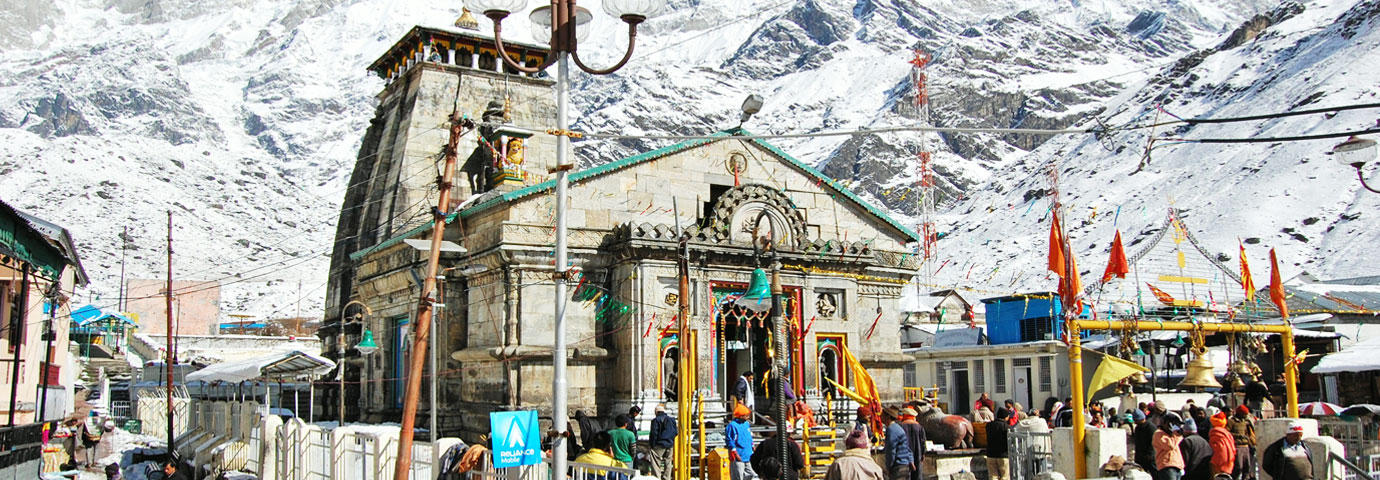
The Kedarnath Temple, perched at an altitude of 3,583 meters (11,755 feet), is the most famous and highest of the Panch Kedar temples. It is dedicated to Lord Shiva in the form of a Jyotirlinga, a symbol of the divine light of Lord Shiva. Situated near the headwaters of the Mandakini River, Kedarnath Temple draws thousands of pilgrims every year, especially during the Char Dham Yatra, which includes four of the most sacred pilgrimage sites in India.
According to legend, the temple was built by the Pandavas, the protagonists of the Mahabharata. It is believed that the Pandavas, after the Kurukshetra war, sought forgiveness from Lord Shiva for their sins. As a result, they constructed this temple as a place of worship for Lord Shiva.
The journey to Kedarnath is a spiritual endeavor and a physical challenge, as pilgrims must trek several kilometers from Gaurikund to reach the temple. Despite the tough trek, the breathtaking views of the Himalayas make the journey worth the effort.
2. Tungnath Temple: The Highest Shiva Temple in the World
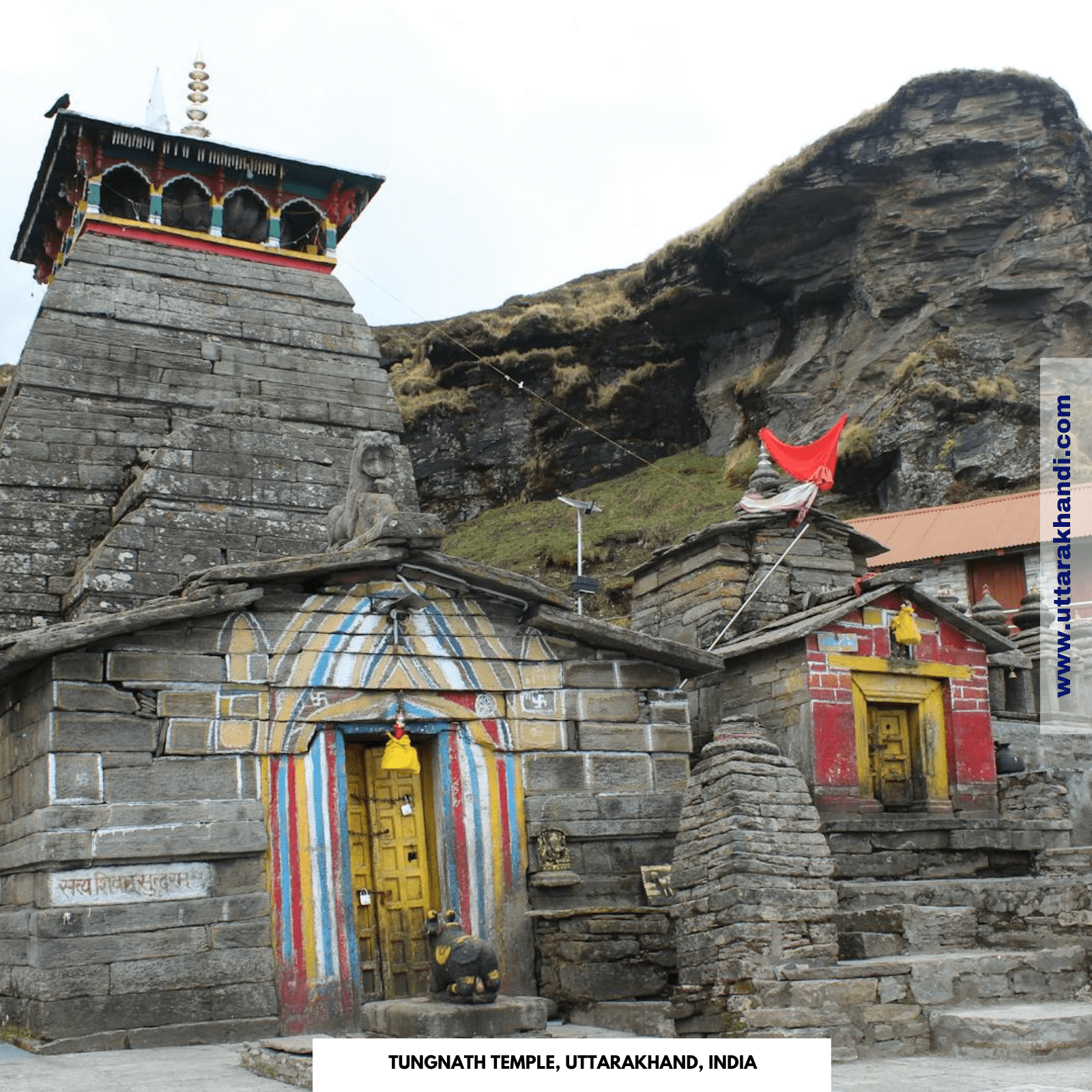
At an altitude of 3,680 meters (12,073 feet), the Tungnath Temple is the highest Shiva temple in the world. Dedicated to Lord Shiva’s arms, Tungnath is an important part of the Panch Kedar pilgrimage. The temple is accessible via a scenic trek from Chopta, offering panoramic views of the snow-capped peaks of the Himalayas.
Tungnath is known for its serene atmosphere and offers a sense of peace and tranquility to pilgrims. The trek to Tungnath, though demanding, is a memorable experience that allows devotees to connect with nature while on their spiritual journey.
3. Rudranath Temple: The Temple of Shiva’s Face
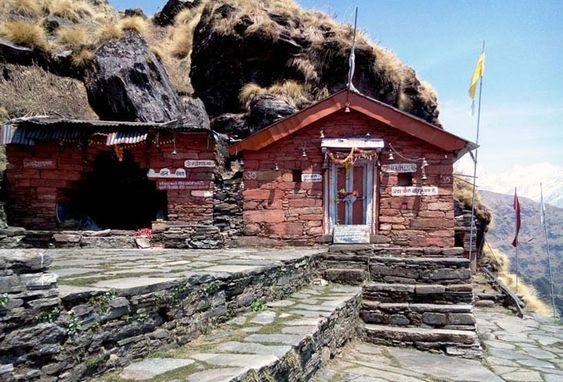
Rudranath Temple is located at an elevation of 2,286 meters (7,500 feet) and is dedicated to the face of Lord Shiva. It is believed that this temple is the place where Lord Shiva appeared before the Pandavas after they performed severe penance to seek his forgiveness.
Rudranath is considered one of the most remote and pristine temples in the Panch Kedar circuit. It is surrounded by dense forests and lush valleys, offering a peaceful environment for pilgrims to meditate and reflect. The trek to Rudranath is a challenging but rewarding journey through the Himalayan landscape.
4. Madhyamaheshwar Temple: The Temple of Shiva’s Navel
Madhyamaheshwar, located at an altitude of 3,490 meters (11,450 feet), is dedicated to Lord Shiva’s navel. The temple is situated in the scenic Madhyamaheshwar Valley, surrounded by towering peaks and verdant meadows. It is often referred to as the “middle temple” in the Panch Kedar circuit, symbolizing the central location of the navel of Lord Shiva.
The trek to Madhyamaheshwar is a captivating experience, with views of wildflowers, alpine meadows, and snow-clad mountains. The temple offers a quiet and spiritual atmosphere, perfect for devotees looking to connect with Lord Shiva in solitude.
5. Kalimath Temple: The Temple of Goddess Kali
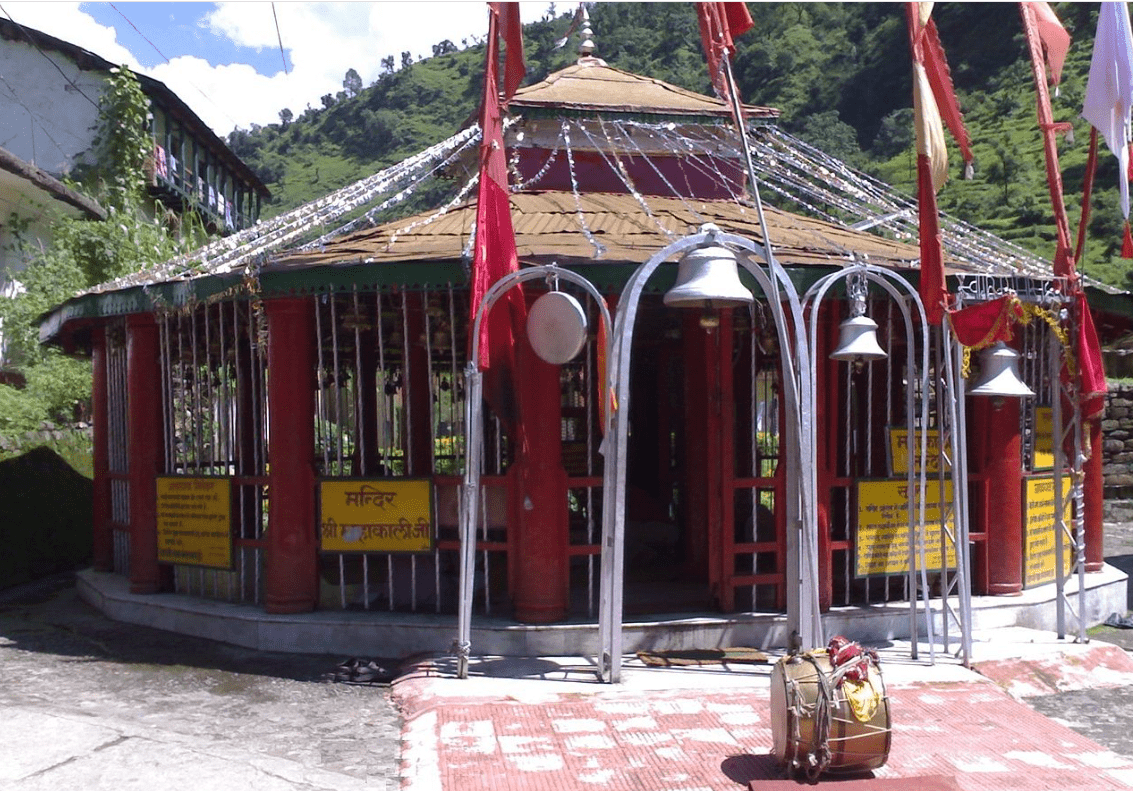
While Kalimath is not always included in the traditional Panch Kedar circuit, many pilgrims consider it to be a significant part of the journey. Dedicated to Goddess Kali, the divine consort of Lord Shiva, the Kalimath Temple is located near Rudraprayag. The temple holds special significance for its association with the Kedarnath Temple.
Legend has it that after Lord Shiva’s consort, Sati, self-immolated, Lord Shiva wandered in grief. It is said that Goddess Kali’s power and divine presence at Kalimath helped restore balance to the world.
Why the Panch Kedar Pilgrimage is Important
The Panch Kedar Yatra is not just a physical journey but also a spiritual quest for salvation. The temples are associated with the Mahabharata and the Pandavas, who are believed to have established them to seek atonement for their sins. Each of the temples represents a specific part of Lord Shiva’s body, and visiting these temples is believed to cleanse the devotee’s soul.
For Hindus, the Panch Kedar Yatra is an opportunity to seek the blessings of Lord Shiva and to experience the divine power of these sacred sites. The pilgrimage also provides a chance to explore the natural beauty of Uttarakhand, with its majestic mountains, serene valleys, and tranquil lakes.
Best Time to Visit
The best time to undertake the Panch Kedar Yatra is between May and June and again from September to October. These months offer pleasant weather, with clear skies and moderate temperatures, making it ideal for trekking and outdoor activities. The winter months should be avoided, as the temples are often closed due to heavy snowfall.
FAQs about Panch Kedar
What is the Panch Kedar Yatra?
The Panch Kedar Yatra is a sacred pilgrimage that involves visiting five temples dedicated to Lord Shiva, located in the Garhwal region of Uttarakhand. The five temples are Kedarnath, Tungnath, Rudranath, Madhyamaheshwar, and Kalimath. This pilgrimage is considered one of the holiest in Hinduism.
Why is Panch Kedar important?
Panch Kedar holds immense spiritual significance for Hindus. Each temple represents a different part of Lord Shiva’s body, and it is believed that visiting these temples helps cleanse one’s soul, offering blessings and salvation. The pilgrimage is also linked to the Pandavas, who are said to have built these temples to atone for their sins.
What are the five temples of the Panch Kedar Yatra?
The five temples in the Panch Kedar Yatra are:
- Kedarnath
- Tungnath
- Rudranath
- Madhyamaheshwar
- Kalimath
When is the best time to visit Panch Kedar?
The best time to visit Panch Kedar is during the months of May to June and September to October. These months offer favorable weather conditions, with moderate temperatures and clear skies, making it ideal for trekking and pilgrimage.
How can I reach Panch Kedar?
The temples in the Panch Kedar circuit are located in the Garhwal Himalayas and are accessible via a combination of road and trekking. The nearest major town to these temples is Rishikesh, and from there, you can take buses or taxis to the starting points of the treks. Each temple requires a moderate to strenuous trek, with some temples being more remote than others.
What is the significance of each temple in Panch Kedar?
Each of the Panch Kedar temples is associated with a different body part of Lord Shiva:
- Kedarnath – Represents Lord Shiva’s Jyotirlinga (divine light).
- Tungnath – Represents Shiva’s arms.
- Rudranath – Represents Shiva’s face.
- Madhyamaheshwar – Represents Shiva’s navel.
- Kalimath – Represents Goddess Kali, who is associated with Lord Shiva.
Is Panch Kedar suitable for beginners?
The Panch Kedar Yatra involves long treks in the rugged Himalayan terrain, which can be physically challenging. While some of the treks are easier than others, they still require good physical fitness and stamina. Beginners should consult with a guide or consider joining a group for the pilgrimage.
Are there any accommodations near the Panch Kedar temples?
Yes, there are basic accommodations available near most of the temples in the Panch Kedar circuit. These accommodations usually include guesthouses, lodges, or tents that provide basic facilities for pilgrims. However, it is advisable to book accommodations in advance during the peak pilgrimage season.
Is there any specific dress code for visiting the Panch Kedar temples?
There is no strict dress code for visiting the temples, but it is recommended to wear modest clothing as a sign of respect. Since the pilgrimage involves trekking, wearing comfortable trekking clothes, sturdy shoes, and warm clothing (especially in the winter) is important.
What is the duration of the Panch Kedar pilgrimage?
The Panch Kedar Yatra usually takes about 10-12 days to complete, depending on the pace of the journey and the trek schedules. Pilgrims may spend a few days at each temple, and travel time between the temples can also vary.
Can the Panch Kedar temples be visited year-round?
The temples in the Panch Kedar circuit are open to pilgrims throughout the year, but during the winter months (especially from November to April), heavy snowfall may close the temples temporarily. It is best to check the weather conditions before planning a visit during the winter season.
Panch Kedar pilgrimage is one of the most important and revered journeys for Hindus. It offers not only spiritual fulfillment but also the opportunity to experience the natural beauty and serenity of the Garhwal Himalayas. Each temple in the Panch Kedar circuit has its own unique history and significance, providing a complete and immersive experience for those who seek to walk in the footsteps of the Pandavas and connect with Lord Shiva. Whether you are seeking spiritual enlightenment or simply wish to explore the pristine beauty of the region, the Panch Kedar temples offer a transformative journey for all.