Nanda Devi National Park
Nanda Devi National Park, located in Uttarakhand, India, is a UNESCO World Heritage Site known for its breathtaking beauty, rich biodiversity, and cultural significance. Nestled in the Garhwal Himalayas, the park is home to rare species like snow leopards, Himalayan tahr, and the majestic Nanda Devi peak. A haven for trekkers and nature enthusiasts, it offers stunning treks, including the Nanda Devi Base Camp and Milam Glacier treks. Explore the pristine wilderness and cultural heritage of this remote, protected sanctuary.
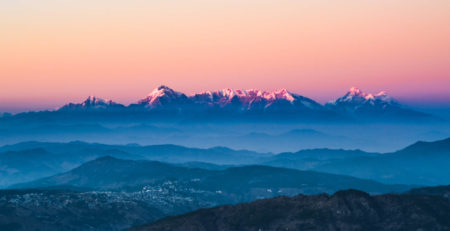
Nanda Devi National Park, located in the Chamoli district of Uttarakhand, India, is one of the country’s most beautiful and ecologically significant national parks. Covering an area of 630 square kilometers, it is part of the Nanda Devi Biosphere Reserve, which is a UNESCO World Heritage Site. The park is named after Mount Nanda Devi, the second-highest peak in India, which towers over the region at 7,816 meters (25,643 feet) and is considered sacred by the local people.
Geographical and Ecological Importance
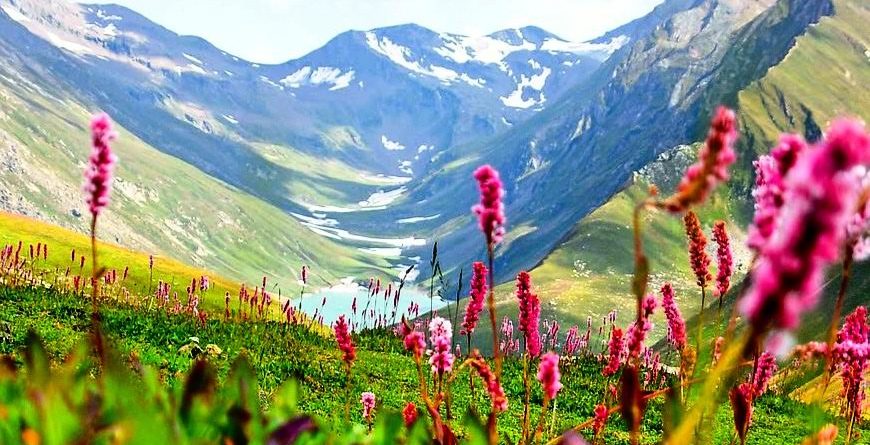
Nestled in the heart of the Garhwal Himalayas, Nanda Devi National Park offers a rich tapestry of alpine meadows, forests, glaciers, and snow-capped peaks. The park is known for its pristine, untouched beauty and its unique position within the Indian Himalayan region. The Nanda Devi Sanctuary, which is part of the national park, is an isolated area surrounded by towering peaks, including Trishul and Nanda Devi East, creating a natural amphitheater that is breathtakingly beautiful.
The park encompasses a variety of ecosystems, ranging from dense temperate forests at lower altitudes to alpine meadows and glaciers at higher elevations. It is home to numerous rare and endangered species, making it one of the most ecologically significant areas in India.
Flora and Fauna
Nanda Devi National Park is a biodiversity hotspot and a sanctuary for many species of flora and fauna. The park’s unique ecosystems support a wide range of wildlife, including:
- Mammals: The park is famous for its populations of snow leopards, Himalayan tahr, brown bears, musk deer, blue sheep, and leopards. It is also home to species like the Himalayan black bear, wild boar, and red fox.
- Birds: The park is a haven for birdwatchers, with species like the Himalayan griffon, golden eagle, bar-headed goose, snow partridge, and the Kalij pheasant calling it home.
- Plants: The flora of the park includes a mix of broadleaved forests, coniferous trees, and high-altitude alpine plants, with rare species like the blue poppy and edible mushrooms.
Nanda Devi and the Sacred Landscape
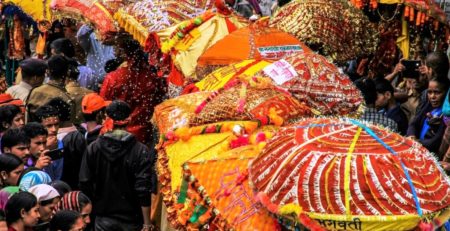
Mount Nanda Devi is not only a geographical landmark but also a sacred peak for the local people, especially the Bugyals (pastoralist communities). The mountain is considered the goddess of the region, and various pilgrimage traditions are associated with it. The Nanda Devi Raj Jat Yatra, a major religious festival, is dedicated to the goddess Nanda Devi, and it follows a route through the national park.
Adventure and Trekking
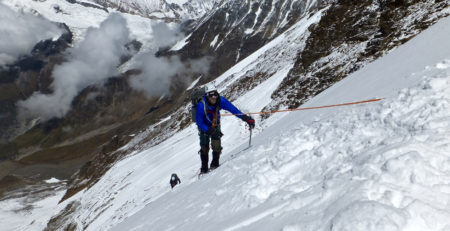
Nanda Devi National Park is a popular destination for adventure enthusiasts and trekkers. The park offers several trekking routes, with varying levels of difficulty, and provides stunning views of the surrounding peaks. Some notable treks include:
- Nanda Devi Base Camp Trek: This challenging trek takes visitors deep into the heart of the Nanda Devi Sanctuary, where they can view the towering peaks and remote meadows.
- Milam Glacier Trek: This trek offers a glimpse of the Milam Glacier, located at the base of Nanda Devi, and allows trekkers to experience the park’s unspoiled beauty and solitude.
- Lata Kharak Trek: Starting from Lata village, this trek takes visitors to the Lata Kharak, a spot that offers magnificent views of the Nanda Devi peak.
Trekking in the park is a serious endeavor and requires permits from the forest department, along with an experienced guide due to its remote and rugged terrain.
Conservation and Challenges
Nanda Devi National Park, with its ecological richness and unique flora and fauna, faces several conservation challenges. The park has been a part of India’s efforts to preserve its biodiversity and is included in the Nanda Devi Biosphere Reserve, established in 1988 to protect the region’s delicate ecosystems.
Some of the challenges include:
- Human Encroachment: As the park is located in a remote part of the Garhwal Himalayas, local communities rely on the surrounding areas for grazing and other needs. This has led to occasional conflicts between conservation efforts and local livelihoods.
- Climate Change: Like many other high-altitude areas, the region is also witnessing changes in climate patterns, which could affect both flora and fauna.
- Tourism Pressure: While trekking in the park is controlled, the increasing number of trekkers may put a strain on its fragile ecosystems.
Best Time to Visit
The best time to visit Nanda Devi National Park is between May and October, as the weather is favorable for trekking and wildlife viewing. The winter months (November to March) are extremely cold and challenging, with heavy snow and freezing temperatures making access difficult.
🏔️ Nanda Devi National Park – Frequently Asked Questions (FAQs)
📍 Where is Nanda Devi National Park located, and why is it significant?
Nanda Devi National Park is located in the Chamoli district of Uttarakhand, India, within the Garhwal Himalayas. It surrounds Nanda Devi Peak (7,816m), the second-highest mountain in India. The park is a UNESCO World Heritage Site and part of the Nanda Devi Biosphere Reserve, which also includes the Valley of Flowers National Park. It is significant for its untouched wilderness, high-altitude biodiversity, and conservation efforts, preserving some of the rarest Himalayan species.
🌟 What makes Nanda Devi National Park famous among nature lovers, trekkers, and scientists?
Nanda Devi National Park is celebrated for its pristine alpine landscapes, rich biodiversity, and restricted access that has allowed nature to thrive undisturbed. For trekkers, it offers challenging trails, breathtaking peaks, and spectacular views of glaciers and meadows. Scientists and environmentalists study the park for its unique ecosystem, home to endangered species like the snow leopard, Himalayan musk deer, and bharal (blue sheep). The park’s isolation has helped preserve its natural beauty, making it one of the most protected regions in the Himalayas.
📝 Do visitors need a permit to enter Nanda Devi National Park, and what is the process to obtain one?
Yes, visitors need a special permit issued by the Uttarakhand Forest Department to enter the park. Due to conservation efforts, visitor numbers are highly restricted. The permit process includes:
- Indian citizens and foreign nationals must apply through the Forest Office in Joshimath.
- Group size is limited to a maximum of 5 people per trek.
- Only 2 groups per day are allowed entry.
- Hiring a registered guide is mandatory.
- Environmental regulations are strict, and visitors must follow a leave-no-trace policy.
💰 What are the entry fees and additional charges for visiting Nanda Devi National Park?
- Indian Citizens: ₹150 per person
- Foreign Nationals: ₹600 per person
- Guided Trekking Fee: Additional charges apply
- Camera Charges: ₹500 for still photography, ₹2,500 for videography
- Eco-Tourism Contribution Fee: Extra charges apply for conservation efforts
(Trekking companies may charge extra for logistics, permits, and guide services.)
🌼 When is the best time to visit Nanda Devi National Park, and what is the weather like during different months?
The best time to visit is May to October, with ideal conditions during:
- May – June: Springtime with blooming flowers, clear skies, and moderate temperatures (5°C – 15°C).
- July – August: Monsoon season with lush greenery but unpredictable weather and landslides.
- September – October: Post-monsoon, offering crystal-clear views, stable trekking conditions, and colorful landscapes.
Winter months (November – April) bring heavy snowfall and extreme cold (as low as -20°C), making the park inaccessible.
🦊 What wildlife species can be spotted in Nanda Devi National Park, and how rare are they?
The park is home to several endangered and rare Himalayan species, including:
- Carnivores: ❄️ Snow Leopard (Elusive & Critically Endangered), Himalayan Brown Bear, Red Fox
- Herbivores: 🦌 Musk Deer (Highly Endangered), Himalayan Tahr, Bharal (Blue Sheep)
- Birds: 🦜 Himalayan Monal (State Bird of Uttarakhand), Golden Eagle, Snow Partridge
- Other Species: 🐍 Himalayan Pit Viper, Butterflies, and Alpine Insects
Due to limited human interference, the park remains one of the best places for wildlife conservation and study in India.
🌿 What kind of vegetation and plant life grows in Nanda Devi National Park?
- Lower Altitudes (2,500m – 3,500m): Rhododendron forests, oak trees, juniper, and birch.
- Mid-Altitudes (3,500m – 4,500m): Alpine meadows, medicinal plants like Aconitum, Dactylorhiza, and Ephedra.
- High Altitudes (Above 4,500m): Mosses, lichens, and rare Brahma Kamal (Saussurea obvallata), the sacred flower of Uttarakhand.
Many of these plants have medicinal properties and are used in Ayurveda.
⛰️ What are the most popular trekking routes inside and around Nanda Devi National Park?
- Nanda Devi Inner Sanctuary Trek – A restricted but legendary route leading close to Nanda Devi Peak.
- Nanda Devi Outer Sanctuary Trek – A moderate trek offering views of glaciers and high-altitude meadows.
- Valley of Flowers Trek – Famous for its vibrant floral landscapes and UNESCO status.
- Kuari Pass Trek – A beginner-friendly trek with spectacular views of Nanda Devi and surrounding peaks.
🚷 Can I trek solo in Nanda Devi National Park, and what are the safety regulations?
No, solo trekking is not allowed due to strict conservation laws. Regulations include:
- All visitors must be part of a registered group.
- A licensed guide is mandatory for every trek.
- Camping is prohibited inside the park to minimize human impact.
- Visitors must follow designated trails to prevent ecological damage.
🏕️ Are there accommodation and food facilities inside the park?
No permanent accommodations exist inside the park. Visitors stay in nearby villages such as Lata and Joshimath. Food is carried by trekkers or provided by trekking agencies, as there are no shops or restaurants inside.
🚌 How do I reach Nanda Devi National Park from major cities?
- Nearest Airport: ✈️ Jolly Grant Airport, Dehradun (270 km)
- Nearest Railway Station: 🚆 Haridwar & Rishikesh (250 km)
- Last Motorable Point: 🚖 Joshimath (from where trekking starts)
✔️ What rules should visitors follow inside the park?
- Do not litter or harm the environment (strict eco-tourism policies).
- No hunting, poaching, or disturbing wildlife.
- No loud noise, music, or fire-making inside the park.
- Stick to marked trails and follow the guide’s instructions.
📷 Is photography and videography allowed inside the park?
Photography for personal use is allowed, but commercial photography and drone usage require special permissions. Fees apply for professional cameras.
🏘️ What are the historical and cultural aspects of the villages around Nanda Devi National Park?
- Lata Village: Home to the Bhotia tribal community, the traditional guardians of the park.
- Reni Village: Site of the Chipko Movement (1973), a historic protest where villagers, led by Gaura Devi, stopped deforestation by hugging trees.
🌄 What are some nearby attractions to visit along with Nanda Devi National Park?
- Valley of Flowers National Park 🌸 – A paradise of rare alpine flowers.
- Auli (Ski Resort) 🎿 – A famous skiing and winter sports destination.
- Badrinath Temple 🛕 – One of the Char Dham pilgrimage sites.
- Mana Village 🏔️ – The last Indian village before Tibet, famous for the Vyas Gufa (sage Vyasa’s cave).
🔍 Why is Nanda Devi National Park a UNESCO World Heritage Site?
Nanda Devi National Park was designated a UNESCO World Heritage Site in 1988 due to its exceptional biodiversity, rare Himalayan species, and untouched natural landscapes. The park represents an important ecological zone and is crucial for the conservation of endangered species like the snow leopard, musk deer, and Himalayan tahr. It also holds cultural and spiritual significance, being home to the revered Nanda Devi Peak and associated legends.
⛔ Why is access to Nanda Devi Inner Sanctuary restricted?
The Inner Sanctuary has been closed to visitors since 1983 to protect its fragile ecosystem. The ban was imposed to prevent environmental degradation, protect wildlife, and allow nature to regenerate. Only a few researchers, scientists, and conservationists receive special permission to enter this highly restricted zone.
🎒 What essential items should I pack for a trek to Nanda Devi National Park?
Trekkers should carry:
- Clothing: Layered, warm clothing, waterproof jackets, gloves, and thermal wear.
- Footwear: High-quality trekking boots with good grip.
- Gear: Trekking poles, backpack, headlamp, and extra batteries.
- Health Essentials: First aid kit, altitude sickness medicine, and water purification tablets.
- Food & Water: High-energy snacks, dry fruits, and a reusable water bottle.
🏥 What are the health risks of trekking in Nanda Devi National Park?
Trekking at high altitudes poses risks such as:
- Acute Mountain Sickness (AMS): Symptoms include nausea, dizziness, and breathlessness.
- Hypothermia & Frostbite: Due to extreme cold conditions, especially at night.
- Dehydration: Trekkers must drink plenty of water to stay hydrated.
🏗️ Are there any ongoing conservation projects in Nanda Devi National Park?
Yes, multiple conservation initiatives are active, including:
- Snow Leopard Conservation Project – Protecting the endangered snow leopard population.
- Nanda Devi Biosphere Reserve Program – Focusing on sustainable tourism and biodiversity protection.
- Community-Based Ecotourism – Involving local villagers in conservation efforts while supporting their livelihood.
🔥 Has Nanda Devi National Park faced any environmental threats?
Yes, the park has faced challenges such as:
- Climate Change: Rising temperatures affecting glaciers and wildlife habitats.
- Illegal Poaching: Threats to musk deer and Himalayan black bears.
- Deforestation & Landslides: Although controlled, occasional deforestation in surrounding areas affects biodiversity.
🛕 What are the mythological and religious connections of Nanda Devi Peak?
Nanda Devi Peak is regarded as the abode of Goddess Nanda Devi, a form of Goddess Parvati. Many legends are associated with the mountain:
- It is considered sacred by Hindus and is a key site in the Nanda Devi Raj Jat Yatra, a pilgrimage held every 12 years.
- The peak’s inaccessibility has led to spiritual beliefs that it is protected by divine forces.
🏆 Has Nanda Devi National Park received any special recognition in India?
Yes, apart from its UNESCO World Heritage status, it has received:
- Biosphere Reserve Status in 2004 from UNESCO.
- Wildlife Sanctuary Status in 1982 for its rare and endangered species.
🚵 Is mountain biking or cycling allowed in the park?
No, mountain biking and cycling are not permitted inside Nanda Devi National Park due to conservation laws. However, cyclists can enjoy off-road biking routes around Joshimath and Auli, offering breathtaking views of the Himalayan ranges.
📜 What are some historical expeditions related to Nanda Devi Peak?
- 1934: The first successful entry into the Inner Sanctuary by British explorers Eric Shipton and H.W. Tilman.
- 1936: First ascent of Nanda Devi by Bill Tilman and Noel Odell.
- 1965: Indian Army expedition, leading to increased government protection of the region.
🏛️ Are there any museums or cultural centers near Nanda Devi National Park?
Yes, visitors can explore:
- Nanda Devi Cultural Center (Joshimath): Showcasing the history, traditions, and conservation efforts related to the park.
- Mana Village Heritage Museum: Displaying traditional Bhotia artifacts, clothing, and tools.
🌌 Is it possible to do stargazing or astrophotography near Nanda Devi National Park?
Yes, the park’s high-altitude, low-light pollution environment makes it ideal for stargazing and astrophotography. Trekkers can witness the Milky Way, constellations, and meteor showers on clear nights. However, carrying a proper camera setup and warm clothing is essential due to freezing temperatures.
🎭 Are there any local festivals or cultural events near Nanda Devi National Park?
Yes, some important festivals include:
- Nanda Devi Raj Jat Yatra: A sacred pilgrimage held every 12 years in honor of Goddess Nanda Devi.
- Bikhauti Mela (April): Celebrated by local communities in the Chamoli region.
- Harela Festival (July): Marking the beginning of the rainy season, celebrated with tree planting.
🚗 Can I take my personal vehicle inside Nanda Devi National Park?
No, personal vehicles are not allowed inside the park. Visitors must trek on foot from the designated entry points, such as Lata Village or Joshimath. Vehicles can be parked in Joshimath before starting the trek.
📡 Is there mobile network coverage inside Nanda Devi National Park?
No, mobile networks do not work inside the park due to its remote location. The last reliable signal is available near Joshimath and Lata Village. Trekkers should inform their families and team members in advance about limited communication options.
🏕️ Is camping allowed inside Nanda Devi National Park?
No, camping is not permitted within the core area of the park. However, trekkers can camp in buffer zones outside the park, such as near Lata Kharak and Dharansi Pass.
💡 Can I volunteer for conservation efforts in Nanda Devi National Park?
Yes, several organizations run eco-tourism and conservation projects where volunteers can participate in:
- Tree planting drives
- Wildlife monitoring programs
- Eco-awareness campaigns in local villages
Interested individuals can apply through forest department initiatives or local NGOs.
🏛️ What role do the local communities play in preserving Nanda Devi National Park?
Local communities, especially the Bhotia and Garhwali tribes, play a key role in conservation by:
- Practicing sustainable tourism and guiding visitors.
- Participating in forest conservation projects.
- Reviving traditional practices like herbal medicine knowledge and handicrafts.
Nanda Devi National Park stands as a symbol of nature’s grandeur, cultural heritage, and conservation success. Nestled in the Himalayan wilderness, it offers a rare glimpse into an untouched ecosystem, home to majestic peaks, diverse wildlife, and rich traditions. Whether you’re a trekker, nature enthusiast, wildlife photographer, or spiritual seeker, the park’s pristine landscapes and mystical aura leave an unforgettable mark. While its restricted access preserves its fragile ecosystem, visitors can still experience its beauty through trekking routes, local festivals, and surrounding valleys. The park’s status as a UNESCO World Heritage Site and Biosphere Reserve highlights its global significance. By supporting eco-tourism and conservation initiatives, we can help protect this natural wonder for future generations. Respecting local customs, following responsible travel practices, and spreading awareness about its importance will ensure that Nanda Devi continues to inspire awe and reverence.