Nanda Devi
The Pride and Tradition of Uttarakhand
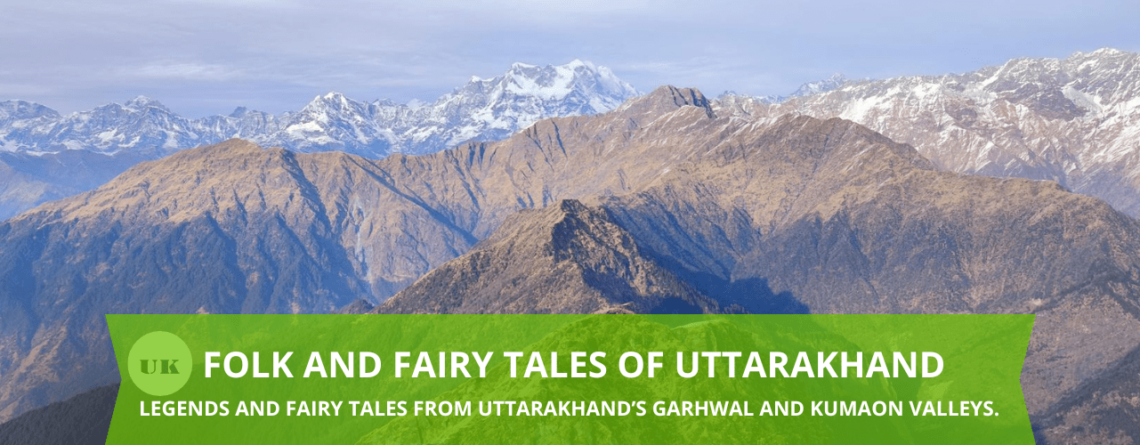
Nanda Devi, the second highest mountain in India and the 23rd highest in the world, stands as a symbol of pride for the state of Uttarakhand. Situated at an elevation of 25,063 feet, this mountain is part of the western branch of the Garhwal Himalayas. Nanda Devi’s religious and cultural significance has made it an integral part of Uttarakhand’s natural beauty and local culture. Named after the Sanskrit words ‘Ananda’ (bliss) and ‘Devi’ (goddess), meaning ‘The Goddess Who Brings Bliss,’ Nanda Devi’s history and religious beliefs are a vital aspect of Uttarakhand’s cultural heritage.
Geographical and Cultural Background
Nanda Devi is actually a double-peaked mountain massif. The western peak is higher than the eastern one. The western peak stands at 7,816 meters (25,643 feet), while the eastern peak is 7,434 meters (24,390 feet). The mountain is renowned not only for its height but also for the religious beliefs and mountainous traditions associated with it.
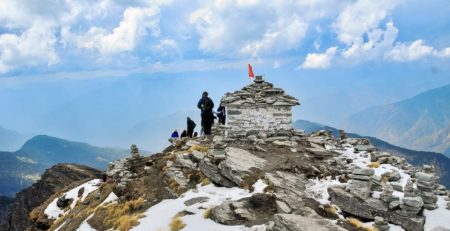
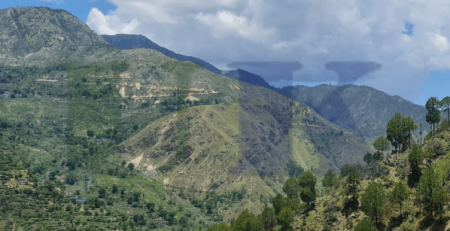
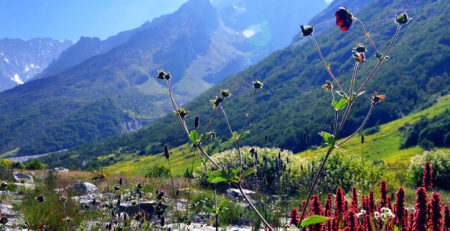
The geographical location and natural beauty surrounding Nanda Devi make it a major tourist destination. The cool air, lush valleys, and snow-covered peaks create a mesmerizing setting. The mountain is not only a challenge for climbers but also an attraction for religious pilgrims and cultural researchers.
Religious Significance of Nanda Devi
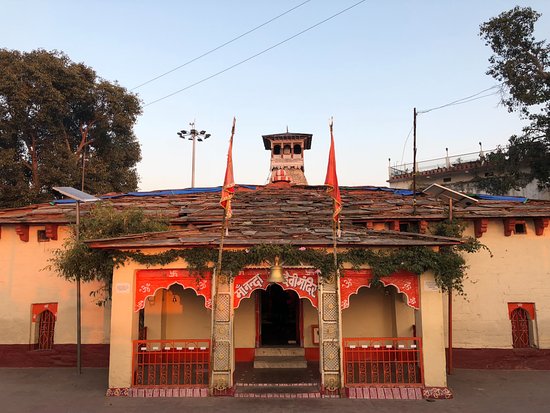
In Hinduism, Nanda Devi holds a prominent place. Ancient texts like the Shri Devi Bhagwat Purana, Skanda Purana, and Durga Saptashati mention Nanda Devi. In these scriptures, Nanda Devi is worshipped in forms such as Parvati, Uma, Chandika, Sati, and Gauri. Local evidence from Uttarakhand includes copper inscriptions from the 10th century found in the temples of Pandukeshwar in the Chamoli district of Garhwal. These inscriptions compare Nanda Devi’s feet to the color of the lotus seat of Brahma.
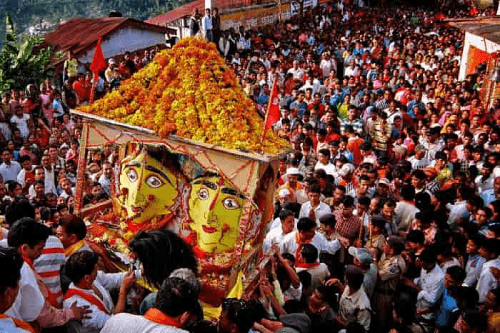
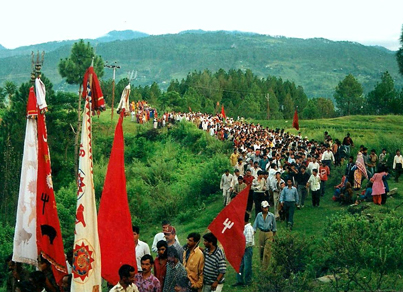
The tradition of worshipping Nanda Devi has been prevalent in both the Garhwal and Kumaon regions for centuries. In Garhwal, the tradition of the Nanda Devi Rajjat Yatra, which occurs every twelve years, has ancient roots. This pilgrimage involves traveling with a symbolic representation of Nanda Devi through the villages of Bedni Bugyal to Roopkund. A four-horned ram leads the procession, which is then released as a symbol of Nanda Devi’s return to her people. This tradition was historically limited to the Garhwal royal family and certain villages.
Historical Importance of Nanda Devi
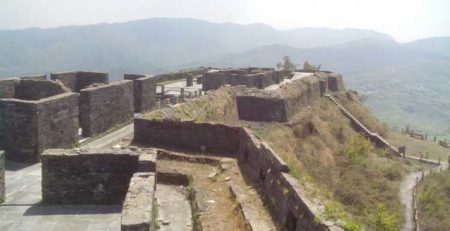
In the 16th century, the Kumaoni ruler Baz Bahadur Chand attacked the Karnaprayag Fort in Garhwal and brought the idol of Nanda Devi to Almora. This act marked the beginning of Nanda Devi worship in Kumaon, and the Kumaoni rulers adopted Nanda Devi as their patron deity. The tradition of celebrating the Nanda Devi festival in Kumaon began at this time, where Nanda Devi was worshipped alongside her twin sister, Sunanda. A tradition of sacrificing a buffalo during the festival is linked to a local legend.
During the 17th and 18th centuries, there were also military conflicts between Kumaon and Garhwal. At the end of the 18th century, the Gurkhas of Nepal seized the Kumaon and Garhwal regions, leading to a period of oppression and instability. However, after the Anglo-Gurkha War in 1816, the British Empire took control of these regions, and the festivals were once again held independently.
During the British era, Nanda Devi played a significant role in the Trigonometric Survey. Before the discoveries of Kangchenjunga in 1847 and Mount Everest in 1849, Nanda Devi was considered the highest mountain in the world. However, with Everest receiving the title of the world’s highest peak, Nanda Devi lost this status.

Environmental and Strategic Significance of Nanda Devi
After India’s independence, several international expeditions were undertaken to climb Nanda Devi, but most of them failed. In 1964, after China conducted a nuclear bomb test in Xinjiang near the Indian border, the CIA and Indian officials placed instruments on Nanda Devi to monitor nuclear activities. However, poor weather conditions prevented the mission from succeeding.
In 1975, the area surrounding Nanda Devi was closed to the public due to environmental concerns and was included in the UNESCO World Heritage List. The surrounding sanctuary was also preserved to protect its wildlife and ecology.
Ecology and Conservation of the Nanda Devi Region
The ecosystem of the Nanda Devi region is highly diverse and sensitive. The flora, fauna, and glacial areas are important not only locally but also globally. Several rare species inhabit this region, making it a crucial biodiversity area.
Various conservation plans have been developed to protect and preserve this region. These plans include monitoring wildlife, preventing illegal hunting, and educating local communities. Additionally, efforts are being made to promote environmental education and sustainable tourism to maintain the natural beauty and ecology of the Nanda Devi region.
Social and Cultural Impact of Nanda Devi
The social and cultural impact of Nanda Devi is profound in both the Garhwal and Kumaon regions. Local folktales, festivals, and traditions revolve around this mountain. The festivals held in the Nanda Devi mountain region are celebrated with great devotion and enthusiasm by the local people. These festivals not only have religious significance but also highlight the community’s unity and cultural heritage.
The tradition of worshipping Nanda Devi in Garhwal and the Rajjat Yatra are significant parts of regional identity. Similarly, the festivals and traditions in Kumaon keep the local culture and traditions alive.
The Folktales of Nanda Devi
A Divine Story from Uttarakhand
In the mountainous regions of Uttarakhand, numerous folktales are associated with Nanda Devi, highlighting the religious and cultural significance of this sacred mountain. These stories not only reflect the devotion and traditions of the local people but also form an integral part of Uttarakhand’s rich cultural heritage.
The Tale of Nanda Devi and King Kalyan Chand
One popular folktale tells of Nanda Devi being the sister of King Kalyan Chand, the founder of Almora. According to the story, King Kalyan Chand’s sister, who was both beautiful and religious, went to graze cattle in the forest one day. Unfortunately, a buffalo killed her. Overwhelmed by grief, King Kalyan Chand organized a grand puja (ritual) to bring peace to his sister’s soul.
During this puja, Nanda Devi was worshipped, and a buffalo was sacrificed. This tradition continues to this day, where a buffalo is sacrificed during the Nanda Devi festival. The sacrifice is seen as a way of honoring Nanda Devi’s divine power.
The Rajjat Yatra of Nanda Devi
The Rajjat Yatra of Nanda Devi is an ancient tradition in the Garhwal region, celebrated every twelve years. According to local lore, Nanda Devi visits her parental home and stays there for a few days. Afterward, the villagers prepare to escort her to the Ghungti Peak (Kailash), which is considered a sacred site.
During this journey, a ram with four horns leads the procession as a symbol of Nanda Devi. At the end of the journey, the ram is released, symbolizing Nanda Devi’s return to her people. This tale illustrates the significance of Nanda Devi’s pilgrimage and her religious importance.
Nanda Devi and the Rulers of Kumaon
Another tale involves the ruler of Kumaon, Baz Bahadur Chand. According to this story, in 1655 (or, according to some accounts, 1670), Baz Bahadur Chand attacked the Karnaprayag Fort in Garhwal and brought the idol of Nanda Devi to Almora.
The arrival of this idol marked the beginning of Nanda Devi worship in Kumaon, and the Kumaoni rulers began to revere Nanda Devi as their patron deity. This led to the establishment of the Nanda Devi festival in Kumaon, where Nanda Devi is worshipped alongside her twin sister, Sunanda.
Worship and Mountain Traditions
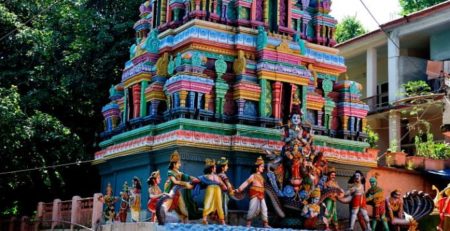
In Uttarakhand, various folktales and traditions are associated with Nanda Devi, reflecting the religious and cultural significance of this mountain. During Nanda Devi’s worship, various rituals and ceremonies are performed, preserving the religious devotion and cultural heritage of the local communities.
Through these stories and practices, the sacredness and divine power of Nanda Devi are acknowledged. They also strengthen the unity and cultural identity of the local communities, keeping their traditions alive.
The Significance of Nanda Devi and Folktales
The folktales of Nanda Devi are an essential part of Uttarakhand’s cultural and religious heritage. These stories not only represent religious devotion but also highlight the challenges and rich traditions of mountain life.
Through these tales, the divine power and sacredness of Nanda Devi are celebrated, reinforcing the mountain’s significance. The folktales of Nanda Devi illustrate the depth of Uttarakhand’s culture and traditions, enriching the religious and cultural identity of the region.
Nanda Devi is not just a mountain but a symbol of Uttarakhand’s cultural and religious heritage. Its religious significance, historical struggles, and cultural traditions make this mountain unique. The stories and traditions surrounding Nanda Devi are deeply embedded in the people of Uttarakhand, leaving a lasting impression on their civilization.