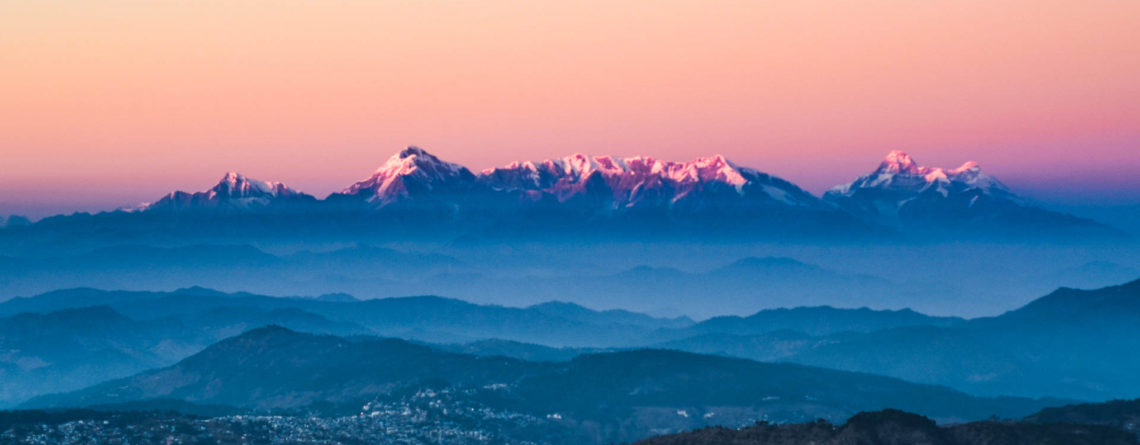
Mukteshwar Temple
Sacred Lord Shiva Temple in Uttarakhand
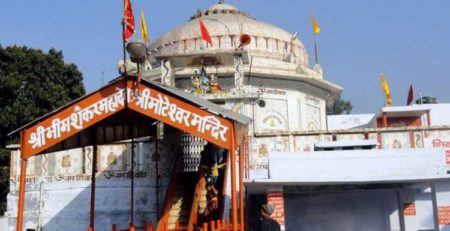
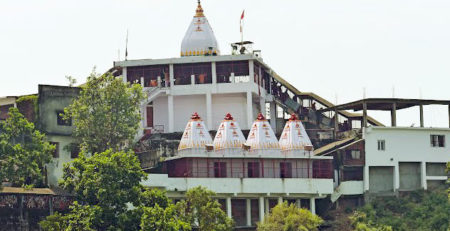
The Mukteshwar Temple is an ancient and sacred temple located in the Nainital district of Uttarakhand, India. This temple is dedicated to Lord Shiva and is also known as Mukteshwar Dham. Situated at an altitude of approximately 7,500 feet above sea level, the temple offers breathtaking views of the surrounding landscape. The name Mukteshwar is derived from the word ‘Mukti,’ meaning ‘salvation’ or ‘liberation of the soul.’ Lord Shiva is worshipped here as the God of Liberation.
Story of Mukteshwar Temple
The story of Mukteshwar Temple is deeply rooted in ancient mythology, symbolizing a fierce battle between Lord Shiva and demons. According to legend, long ago, this place was terrorized by demons who tormented both gods and humans. The entire world was in distress due to the demons’ cruelty. In desperation, the gods prayed to Lord Shiva, pleading for his intervention and help.
Moved by their prayers, Lord Shiva decided to confront the demons. It is believed that a fierce battle took place at the site of Mukteshwar Dham between Lord Shiva and the demons. With his divine power and wrathful dance, Shiva defeated the demons. After the battle, he granted them moksha (liberation), which is how the place came to be known as Mukteshwar, meaning “the giver of liberation.”
In this temple, Lord Shiva is worshipped as the Lord of Liberation. It is believed that sincere devotion at this temple grants individuals freedom from the cycle of life and death. People come here to worship Lord Shiva, seeking not only spiritual liberation but also peace for their soul.
Devotees believe that visiting this temple brings not only the blessing of moksha but also relief from the difficulties and sufferings of life. This is why Mukteshwar Temple holds great religious and spiritual significance, attracting hundreds of pilgrims each year who seek Lord Shiva’s divine grace and blessings.
Religious Significance of Mukteshwar Temple
It is believed that worshipping Lord Shiva in this temple grants the devotee liberation (moksha). According to mythology, a battle between demons and gods took place here, where Lord Shiva emerged victorious and granted the demons salvation, thus giving the place its name, Mukteshwar.
The Mukteshwar Temple and the village of Mukteshwar are associated with several fascinating and mythological stories, making it both a significant religious and tourist destination:
Slaying of the Demon by Lord Shiva: According to mythology, Lord Shiva slew a demon here and granted him moksha (liberation). This is why the place is named Mukteshwar, which means “The Lord who gives liberation.”
12th Sub-Jyotirlinga: The Shivling at Mukteshwar Dham is believed to be the 12th Sub-Jyotirlinga, making it an important religious site for devotees.
Pandavas’ Contribution: It is believed that during their exile, the Pandavas established the Shivling here, adding to the sacredness of the place.
Chauliki Ki Jaali: Near the temple lies the Chauliki Ki Jaali, which is linked to another story. It is said that Lord Shiva was in deep meditation here. When Baba Gorakhnath was on his way to Jageshwar Dham, he found his path blocked. He struck the rocks with his weapon, creating holes, and passed through. Today, these holes are worshipped, and it is believed that if a woman without children passes through the hole, she is blessed with offspring.
The Village’s Name and Tourism: Mukteshwar village derives its name from the famous Mukteshwar Temple. Located 51 kilometers from Nainital, this hill station sits at an elevation of 2,171 meters. Apart from its religious significance, the village is known for its natural beauty and adventure activities like rock climbing and rappelling. The forests around the village are rich in rare flora and fauna, making it a haven for nature lovers.
Mukteshwar’s religious, cultural, and natural significance makes it one of the prime attractions in Uttarakhand.
Unique Location of the Temple:
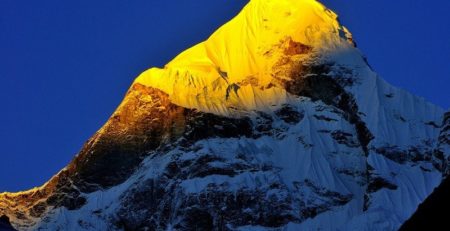
The temple offers stunning views of the Himalayan mountain range, attracting both pilgrims and tourists. The natural beauty and tranquility of Mukteshwar make it an ideal spot for meditation and spiritual practice.
Mukteshwar Pilgrimage:
The temple draws hundreds of devotees and tourists every year, especially during the festival of Shivratri. Pilgrims come here to seek the blessings of Lord Shiva. Besides its religious significance, the surrounding areas of Mukteshwar have many other tourist attractions, making it a popular destination.
The Mukteshwar Temple is not only a place of religious importance but also a beautiful confluence of natural beauty and peace, offering a unique experience to visitors.
Mukteshwar Temple is associated with several miraculous legends that highlight its spiritual significance:
Shiva’s Blessing of Moksha (Liberation): According to legend, Lord Shiva granted salvation (moksha) to a demon after a fierce battle at this site. This act of divine mercy is why the temple is named “Mukteshwar,” meaning “Lord of Salvation.” Pilgrims believe that worshipping here brings freedom from the cycle of birth and death.
Pandavas’ Connection: It is said that the Pandavas, during their exile, established a Shivling at Mukteshwar Temple and prayed to Lord Shiva for his blessings. The temple’s divine energy is believed to offer solace and strength to those who visit.
Chauthi Ki Jali: Near the temple is a rock formation called “Chauthi Ki Jali,” where Lord Shiva is believed to have meditated. Legend has it that the saint Gorakhnath passed through the rocks by cutting holes with his divine weapon. It is believed that childless women who pass through the crevices of this rock are blessed with children.
These miraculous tales make Mukteshwar a revered site, drawing devotees and tourists seeking blessings, peace, and spiritual experiences.