Kumaon
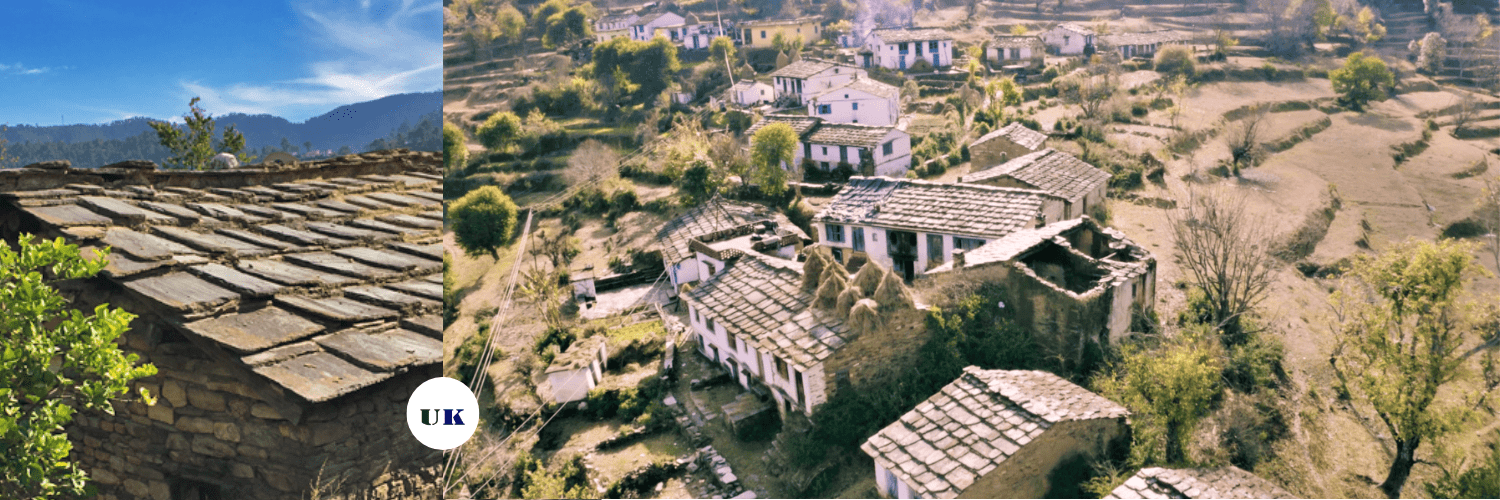
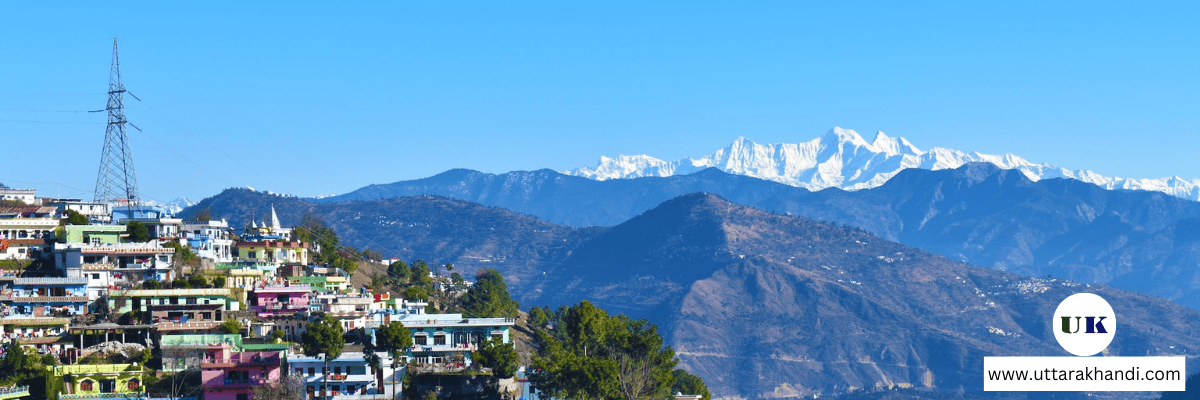
Kumaon, located in the eastern part of Uttarakhand, India, is a region rich in cultural heritage, natural beauty, and historical significance. Bounded by the Himalayas to the north and the Terai plains to the south, Kumaon offers diverse landscapes, from snow-capped peaks to lush forests and scenic valleys. Alongside its picturesque terrain, the region has a vibrant cultural identity, making it one of the most captivating areas in the state.
The Kumaon Kingdom
A Historical and Cultural Legacy
The Kumaon Kingdom, located in present-day Kumaon division of Uttarakhand, India, was a significant Himalayan kingdom that thrived for centuries. It played a vital role in the region’s cultural, political, and religious history. Its heartland spanned the beautiful landscapes of the Kumaon Himalayas, stretching from the Almora region to Pithoragarh and Nainital. This strategic location connected the kingdom to trade routes and neighboring regions like Tibet and Nepal.
Early History (2nd Century BC – 10th Century AD)
The earliest known rulers of the Kumaon region were the Kunindas, an ancient tribe that inhabited the region around the 2nd century BC. The Kunindas practiced a mix of Hinduism and Buddhism and are known for issuing coins with inscriptions of both deities, reflecting the diverse cultural influences of the time. Their rule laid the foundation for future kingdoms in Kumaon.
Over the next several centuries, various small local rulers and tribal chiefs controlled the region, with influences from neighboring regions like Nepal and Tibet. By the 7th century AD, the region was loosely connected to the larger Himalayan kingdoms.
The Rise of the Chand Dynasty (10th Century AD)
The most notable phase in Kumaon’s history began in the 10th century AD with the rise of the Chand Dynasty. Som Chand, the dynasty’s founder, is believed to have migrated from Kannauj (modern-day Uttar Pradesh) to establish his rule in Champawat, which became the first capital of the Kumaon Kingdom. Under the Chand rulers, the kingdom flourished, expanding its territories and becoming a dominant power in the Himalayan region.
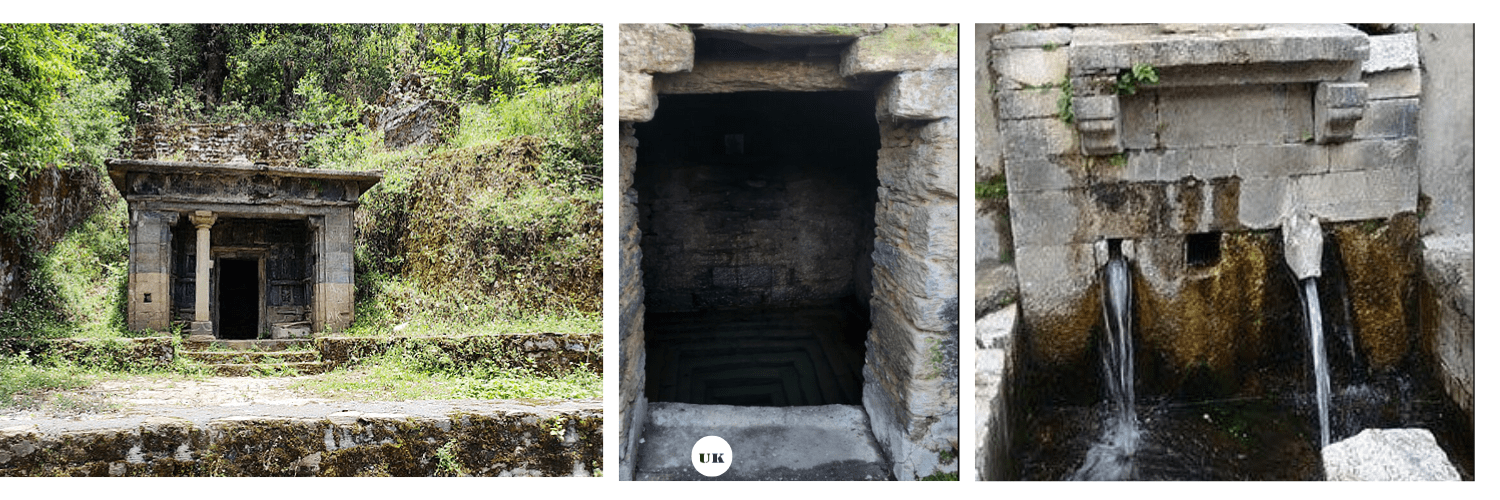
The Chand rulers are known for their contributions to architecture, culture, and religion in Kumaon. The dynasty built several temples, forts, and palaces, many of which still stand as historical landmarks today.
Golden Age of the Chand Dynasty (15th – 17th Century AD)
Kumaon experienced its golden age during the rule of Balo Kalyan Chand and Baz Bahadur Chand in the 15th to 17th centuries AD. During this period, the kingdom extended its territory across much of present-day Uttarakhand. Almora became the new capital in the early 16th century, further solidifying the kingdom’s power and influence.
The Chands encouraged trade, art, and cultural exchange, which helped shape Kumaon’s rich tradition of folk music, dance, and literature. They also built iconic temples such as the Jageshwar Dham, a cluster of ancient temples dedicated to Lord Shiva, which remains an important pilgrimage site.
Decline and Fall of the Kumaon Kingdom (18th – 19th Century AD)
By the 18th century, the Kumaon Kingdom began to face internal strife and external threats, particularly from the Gorkhas of Nepal. In 1790, the Gorkhas invaded Kumaon, eventually capturing Almora in 1791 and marking the end of Chand rule. The region remained under Gorkha control until 1815, when the British East India Company defeated the Gorkhas during the Anglo-Nepalese War.
After the British victory, Kumaon was annexed into the British Empire as part of the United Provinces (modern-day Uttar Pradesh) and remained under colonial rule until India’s independence in 1947.
Legacy of the Kumaon Kingdom
Despite the decline of the kingdom, the legacy of the Chand rulers and the Kumaon Kingdom endures. The region’s architectural marvels, such as the Jageshwar and Katarmal Sun Temple, continue to attract pilgrims and historians alike. The traditions, festivals, and folk art that flourished under the Chand Dynasty still play a vital role in the cultural identity of modern-day Kumaon.
The strategic location of Kumaon, along with its rich history of rulers, traders, and sages, has left an indelible mark on the region’s culture and heritage, making it one of the most historically significant parts of Uttarakhand.
Cultural Heritage
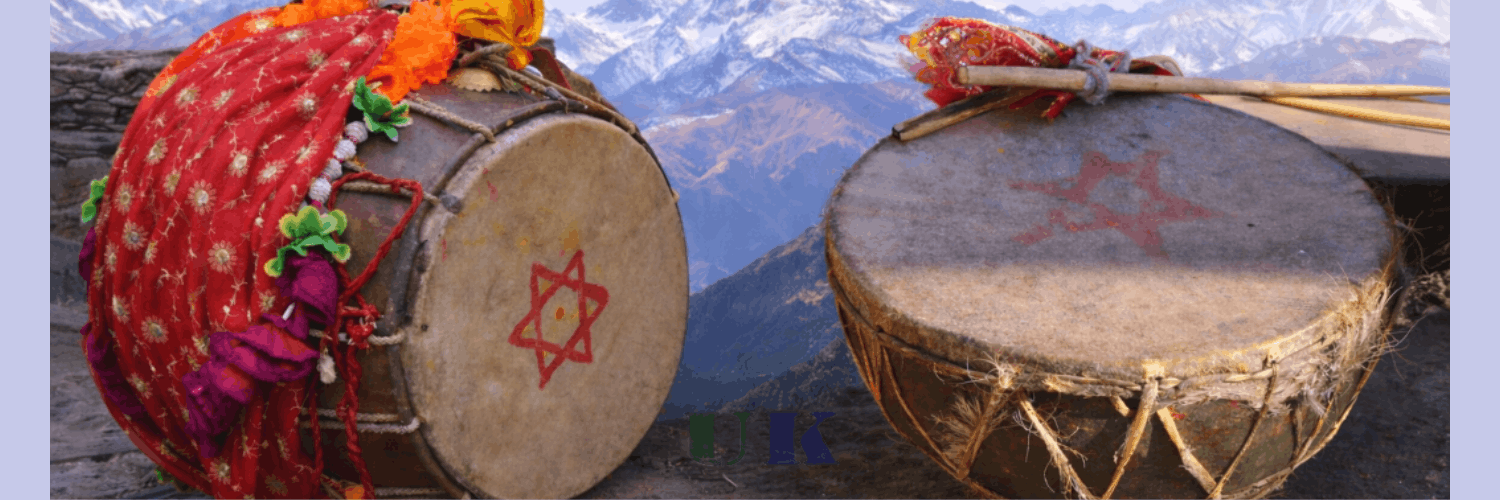
Kumaon has a rich cultural legacy, deeply influenced by its history and geographical isolation. The people of Kumaon, called Kumaonis, have preserved their customs and traditions through music, festivals, and folklore.
Folk Music and Dance: Kumaoni music is a reflection of the region’s life and surroundings, with songs that celebrate nature, love, and the changing seasons. Traditional music genres include Jhora, Chanchari, and Chapeli, often performed during festivals and social gatherings. Dance forms like Jhora and Cholia also hold cultural significance, with performances often connected to religious ceremonies and community celebrations.
Language and Literature: The Kumaoni language, an Indo-Aryan dialect, is widely spoken across the region. It shares linguistic roots with neighboring Garhwali and is an important marker of Kumaoni identity. The region has a rich tradition of oral storytelling, with folk tales and legends passed down through generations.
Festivals: Kumaon celebrates a variety of traditional festivals that are integral to its cultural fabric. Harela, marking the monsoon season and celebrated with the planting of saplings, is one of the most important festivals. Other significant festivals include Nanda Devi Mahotsav, Khatarua, and Bikhauti, each reflecting the region’s agricultural and spiritual heritage.
Spiritual Significance and Temples
Kumaon is often referred to as the “Land of Gods” due to its many sacred temples and pilgrimage sites. These include:
- Jageshwar Dham: A cluster of ancient temples dedicated to Lord Shiva, Jageshwar is one of the most important religious sites in the region.
- Patal Bhuvaneshwar: A mystical cave temple dedicated to Lord Shiva, it is considered one of the region’s most sacred spots, with intricate rock formations said to represent various Hindu gods and mythological figures.
- Baijnath Temple: Located near the town of Bageshwar, the Baijnath Temple is an ancient shrine along the banks of the Gomti River, famous for its stunning stone architecture.
Many of these temples draw pilgrims from across India, particularly during religious festivals.
Tourism and Adventure
Kumaon has become a favored destination for tourists seeking both spiritual fulfillment and adventure. The region offers a variety of activities, from trekking and camping to wildlife safaris. Jim Corbett National Park, located in the southern part of Kumaon, is India’s oldest national park and a major attraction for wildlife enthusiasts, offering the chance to spot tigers, elephants, and a wide range of bird species.
Trekking and Mountaineering: Popular trekking routes in Kumaon include the Pindari Glacier, Milam Glacier, and Kafni Glacier treks, which offer breathtaking views of the Himalayas. Mountaineering expeditions to peaks like Nanda Devi and Panchachuli are also popular among adventure seekers.
Kumaon is a region that beautifully blends natural beauty with a rich cultural heritage. Its towering mountains, tranquil lakes, and dense forests make it a haven for nature lovers, while its festivals, music, and traditions reflect the deep-rooted cultural identity of its people. Whether one seeks spiritual solace, thrilling adventure, or a peaceful retreat, Kumaon offers an experience that is truly unique and unforgettable.