Jageshwar
Jageshwar Temple Complex – Historic & Spiritual Wonders of Uttarakhand
Jageshwar Dham is considered one of the Jyotirlingas of Lord Shiva. This temple is believed to be around 2,500 years old. It is mentioned in ancient texts such as the Shiva Purana, Linga Purana, and Skanda Purana. The temple is a treasure trove of inscriptions, carvings, and statues. Located in the valley of the Jat Ganga River, the temple holds architectural and historical significance, with many mythological elements linked to it.
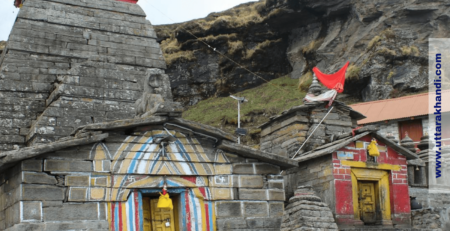
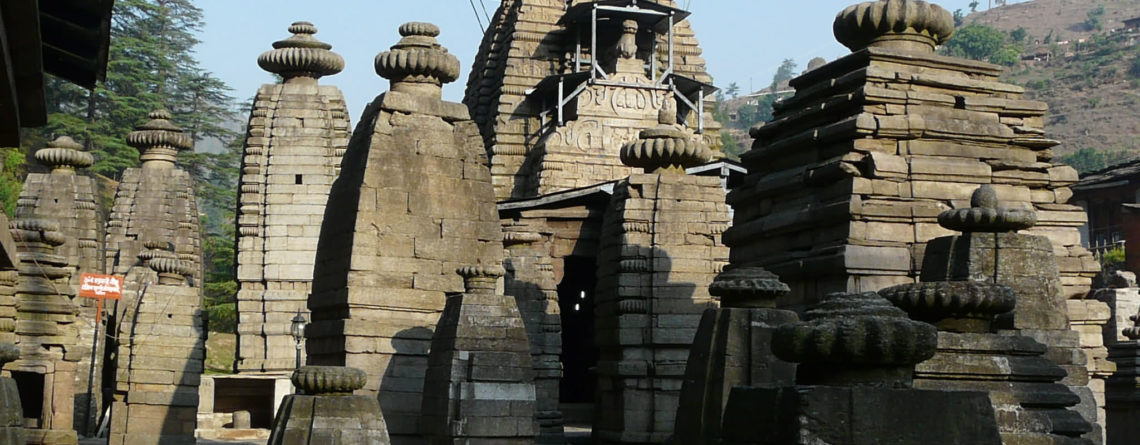
According to legend, Lord Shiva and the Saptarishis (Seven Sages) began their penance here, marking the beginning of the worship of the Shiva Lingam at this place. One unique feature of the temple is that its architecture closely resembles that of the Kedarnath temple. Inside the complex, there are approximately 124 small temples that represent the grandeur of Jageshwar Dham.
Situated 35 kilometers from Almora in Uttarakhand, the ancient Jageshwar Dham temples have long been a beacon of spiritual vitality amid breathtaking natural beauty. This sacred site boasts around 250 temples, with 224 of them located closely together, creating a remarkable and serene spiritual complex.
Mythological and Historical Significance of Jageshwar Temple
Meditation of Shiva and the Saptarishis: According to legend, Jageshwar Temple is believed to be the place where Lord Shiva and the Saptarishis (seven sages) began their meditation. The sanctity and depth of meditation at this place make it a significant pilgrimage site.
Origin of Shiva Linga Worship: It is believed that the tradition of worshiping the Shiva Linga started at Jageshwar Temple. This temple represents ancient traditions of Shiva worship and holds immense significance in Hinduism.
Architecture Similar to Kedarnath: The architecture of Jageshwar Temple closely resembles that of Kedarnath Temple, which adds to its uniqueness. This similarity indicates that ancient religious sites had architectural parallels, reflecting the historical traditions of the region.
124 Small Temples: There are approximately 124 small temples in the Jageshwar complex, showcasing the grandeur and diversity of this site. These temples reflect the rich religious and cultural heritage of Jageshwar Dham.
Considered One of the Jyotirlingas: Jageshwar Temple is regarded as one of Lord Shiva’s Jyotirlingas. This belief enhances the religious importance of the temple, deepening the devotion and faith of the pilgrims who visit.
Ancient and Mentioned in Mythological Texts: The temple is believed to be around 2500 years old and is mentioned in mythological texts like the Shiva Purana, Linga Purana, and Skanda Purana. These scriptures emphasize the religious and historical importance of Jageshwar Temple.
Inscriptions and Sculptures: The temple houses ancient inscriptions, carvings, and sculptures that are considered treasures of Indian art and culture. These artifacts highlight the historical and religious significance of the temple.
Jat Ganga River Valley: Jageshwar Temple is situated in the valley of the Jat Ganga River, adding to its geographical beauty and historical significance. The temple’s architecture and mythological relevance in this location reveal its cultural heritage.
Act of Adi Shankaracharya: It is said that Adi Shankaracharya consecrated the Mahamrityunjay Shiva Linga at this site to prevent evil wishes from being fulfilled. This act showcases the temple’s special religious standing.
Valley of the Gods: Jageshwar Temple is also known as the Valley of the Gods, where various deities are worshipped and religious rituals are performed.
Pandavas’ Presence: It is believed that the Pandavas visited this site during their exile. Their presence adds a unique dimension to the religious significance of the region.
Group of Pandava Temples: Inside the temple complex, there is a group of four main temples known as the Pandava Temples. Their architecture and religious significance make this site even more special.
Deities Worshiped: Jageshwar Dham is primarily dedicated to the worship of Lord Shiva, Vishnu, Devi Shakti, and the Sun God, who are integral to the religious life of this place.
The construction of these temples dates back to ancient times, reflecting the influence of the Gupta Empire in their design and architecture. As per the Archaeological Survey of India, the building of these temples is divided into three distinct periods: the Katyuri period, the post-Katyuri period, and the Chand period. The brave kings of Kumaon, nestled in the snow-clad mountains, not only established the temples of Jageshwar amidst dense deodar forests but also built over 400 temples throughout the Almora district. Among them, around 250 small and large temples are located in Jageshwar alone.
These temples were constructed using massive stone slabs rather than traditional materials like wood or cement. The door frames are intricately adorned with carvings of various deities, highlighting the fine craftsmanship of the era. Additionally, copper sheets and deodar wood were skillfully utilized, adding to the temples’ architectural beauty and historical significance.