Indramani Badoni
Gandhi of Uttarakhand and a Visionary Leader
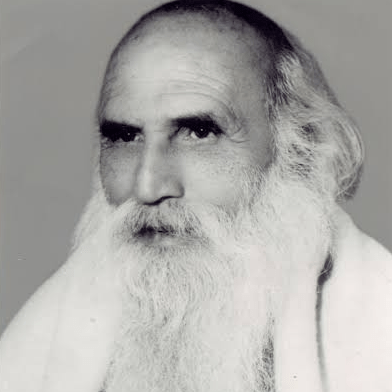
Indramani Badoni (December 24, 1925 – August 18, 1999), known as the “Gandhi of Uttarakhand,” was a prominent educator, politician, environmentalist, folk artist, and a key activist in the Uttarakhand statehood movement. His contributions to the creation of Uttarakhand and his efforts in advocating for social reforms have made him a celebrated figure in the region’s history.
Early Life and Education
Indramani Badoni was born in a small farming hamlet, Akhori, Hindow, in the princely state of Tehri Garhwal. He was born to Kaldi Devi and Sureshanand and grew up in poverty. His early life was marked by hardships, but it also laid the foundation for his strong sense of social responsibility and determination to improve his community. Badoni received his primary education in his native village and later completed his education in Nainital and Dehradun. In 1949, he graduated from DAV PG College in Dehradun.
At the age of 19, Badoni married Surji Devi and moved to Bombay in search of a livelihood. However, due to health issues, he soon returned to his homeland. Badoni was not only involved in education but was also a theatre artist and skilled in playing traditional folk instruments.
In 1956, he organized a Kedar dance during the Republic Day Parade at Rajpath, showcasing the cultural richness of his region under the guidance of renowned folk artists Shivjani Dhung and Giraj Dhung.
Political Career
Badoni’s political career began in 1953, when Meera Ben, a disciple of Mahatma Gandhi, visited Tehri on a humanitarian mission. Inspired by her, Badoni became involved in social work. His political journey officially began in 1961, when he was appointed as the village head and later became the head of the Jakholi development block.
In 1967, Badoni was elected as an independent candidate to the Uttar Pradesh Legislative Assembly from Devprayag. His success continued as he was elected in 1969 as an All India Congress candidate. Even during the Janata Party wave in 1977, he won the election as an independent candidate, with such a landslide victory that both Congress and Janata Party candidates lost their deposits. Despite setbacks in 1974 and 1989, when he lost elections to Govind Prasad Gairola and Brahm Dutt, Badoni remained steadfast in his commitment to the cause of Uttarakhand’s statehood.
Badoni joined the Uttarakhand Kranti Dal (UKD) in 1980, a regional party fighting for a separate hill state. He became a leading figure in the party, advocating tirelessly for the creation of Uttarakhand as an independent state. During the tenure of Chief Minister Banarasi Das Gupta, Badoni was appointed Vice Chairman of the Hill Development Council.
Role in the Uttarakhand Statehood Movement
Badoni’s role in the Uttarakhand Statehood Movement was instrumental. In 1988, he led a 105-day foot march, starting from Tawaghat in Pithoragarh and culminating in Dehradun. During this march, Badoni educated the people about the advantages of a separate state, speaking to villagers and rallying support for the cause. His efforts culminated in 1992 when he declared Gairsain as the capital of Uttarakhand on Makar Sankranti in Bageshwar.
In 1994, Badoni undertook a fast unto death in Pauri to pressurize the government to create Uttarakhand as a separate state. On August 7, he was forcibly taken to a hospital in Meerut and then transferred to AIIMS, Delhi, to remove him from the public eye. His arrest only fueled the movement, garnering widespread support and eventually leading to the creation of Uttarakhand on November 9, 2000, a year after his death.
Badoni’s commitment to non-violence and his calm yet determined demeanor earned him the title of the “Mountain Gandhi.” His unwavering dedication to the cause of Uttarakhand’s statehood and his focus on peaceful methods of protest made him a revered figure in the region.
Legacy
Indramani Badoni is often referred to as the “unsung hero” of the Uttarakhand Statehood Movement. Despite facing numerous challenges and personal setbacks, his life and work have left an indelible mark on the history of Uttarakhand. His contributions to the movement, along with his work in the fields of education and social service, have earned him a permanent place in the hearts of the people of Uttarakhand.
Badoni’s vision for a prosperous and self-reliant Uttarakhand continues to inspire leaders and activists today. His legacy as a champion for the hill people and a passionate advocate for social justice will be remembered for generations to come.
Badoni passed away on August 18, 1999, at the Vithal Ashram in Rishikesh, but his spirit continues to live on in the state that he fought so hard to establish. The creation of Uttarakhand stands as a testament to his life’s work, and he remains an influential figure in the state’s ongoing development. Indramani Badoni’s vision and contributions will forever be woven into the fabric of Uttarakhand’s history, making him an eternal symbol of struggle, dedication, and sacrifice for the cause of justice and regional empowerment.