Govind Pashu Vihar National Park Uttarkashi
Explore Govind Pashu Vihar National Park and Wildlife Sanctuary in Uttarkashi district, Uttarakhand. A paradise for trekkers and wildlife enthusiasts, this national park is home to the endangered snow leopard, vibrant flora, and unique trekking destinations like Har Ki Doon and Ruinsiyara Lake.
Nestled in the heart of the Garhwal Himalayas, Govind Pashu Vihar National Park and Wildlife Sanctuary stands as a pristine testament to the natural beauty and ecological richness of Uttarkashi district, in the Indian state of Uttarakhand. Established as a wildlife sanctuary in 1955 and later elevated to the status of a national park, it is named after the renowned Indian freedom fighter and politician, Govind Ballabh Pant. Covering an area of 958 km², this park is a sanctuary for several endangered species and offers a breathtaking blend of rugged landscapes and diverse wildlife.
A Gateway to the Himalayas
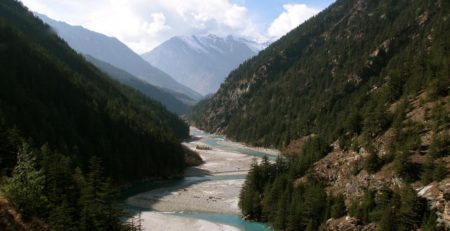
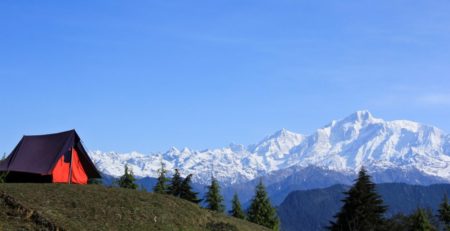
Govind Pashu Vihar’s location in Uttarkashi district, Uttarakhand, provides a stunning backdrop for nature enthusiasts and trekkers. The park’s altitude ranges from 1,400 to 6,323 meters above sea level, offering diverse ecosystems ranging from subalpine conifer forests to alpine meadows. Among the highlights are the famous Har Ki Doon valley and the Ruinsiyara high-altitude lake, popular destinations for trekking and exploration. The forest rest houses of Naitwar, Taluka, and Osla, located along the trekking route, provide excellent pitstops for travelers.
Flora and Fauna of Govind Pashu Vihar
Govind Pashu Vihar is home to a rich variety of flora and fauna, including several species that are rare and endangered. The park’s vegetation transitions with altitude: from western Himalayan broadleaf forests at the lower elevations, to alpine shrub and meadows at higher altitudes. Conifer species like blue pine, silver fir, and spruce dominate the higher reaches, while the lower areas are home to chir pine, deodar cedar, and oak.
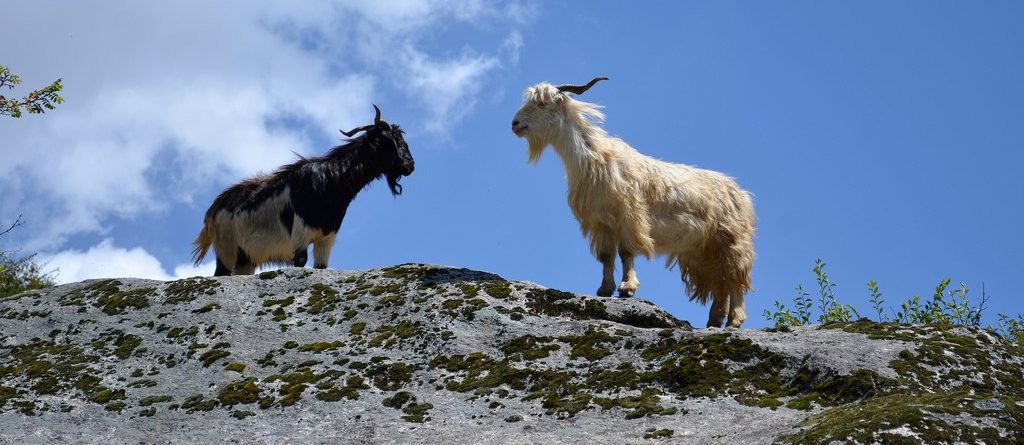
Wildlife is another jewel of the sanctuary. It supports about 15 species of large mammals, including the endangered snow leopard, brown bear, common leopard, Himalayan tahr, and the musk deer. The Snow Leopard Project, initiated here by the Indian government, aims to protect this elusive predator. Other mammals like the Indian crested porcupine, wild boar, and Himalayan field rat add to the diversity.
Birdwatchers will be enthralled by the variety of avian species found in the park. The sanctuary is home to over 150 species of birds, including the bearded vulture, Himalayan snowcock, golden eagle, and the cheer pheasant. Endangered birds like the steppe eagle, black eagle, and the western tragopan are also found here.
A Blend of Conservation and Tourism
Over the years, Govind Pashu Vihar has evolved from a forest reserve to a hub of eco-tourism. While conservation remains a top priority, the park attracts increasing numbers of visitors from around the world, eager to explore its pristine landscapes and observe its unique wildlife. However, the growth of tourism has raised concerns about balancing environmental protection with local socio-economic development. The construction of roads and the building of accommodations in the region have brought more tourists, while also raising the stakes for preserving the natural ecosystem.
Trekking and Tourist Attractions
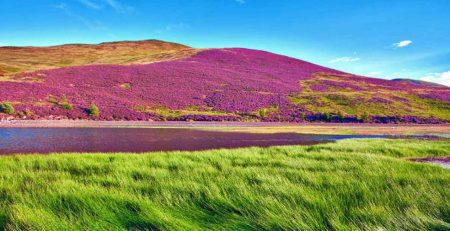
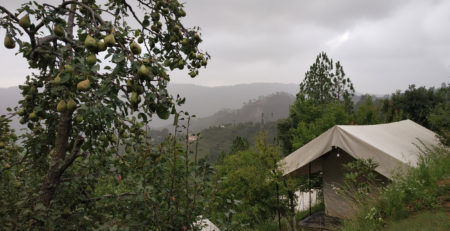
The Har Ki Doon valley, one of the park’s main trekking routes, is famous for its spectacular wildflower meadows and scenic views of snow-capped peaks. The Ruinsiyara lake trek offers another opportunity to explore the high-altitude beauty of the Garhwal Himalayas. For visitors, the Har-ki-dun Forest Rest House offers a chance to stay amidst nature, adding an immersive experience to the adventure.
Accessibility
Govind Pashu Vihar is accessible from the town of Dharkarhi, located 17 km away, and the nearest major city is Dehradun, about 190 km from the park. Visitors can reach the park via road from Dehradun, which is connected to other major cities in the region. The nearest airport and railway station are also in Dehradun.
Govind Pashu Vihar National Park and Wildlife Sanctuary is a must-visit destination for nature lovers, wildlife enthusiasts, and trekkers. With its rich biodiversity, stunning landscapes, and a variety of trekking routes, the park offers a truly unique experience. However, as tourism continues to grow, it is essential to ensure that the delicate balance between conservation and development is maintained for future generations to enjoy.