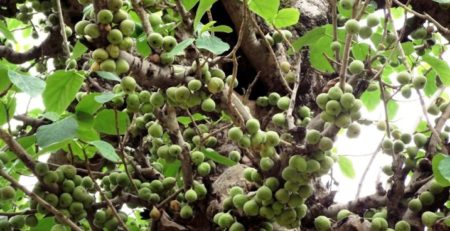
Ghingaru
The Wild Medicinal Fruit of Uttarakhand
Ghingaru, scientifically known as Pyracantha crenulata, is a wild fruit native to the hilly regions of Uttarakhand. Though it may not fit the conventional definition of a fruit, its significance in the local culture and its medicinal properties make it a noteworthy addition to the region’s natural heritage. This article explores the characteristics, medicinal benefits, and traditional uses of Ghingaru.
Ghingaru is known for its thorny plant and vibrant berries. The fruit, though small and not typically found in commercial markets, is cherished by the residents of Uttarakhand, often evoking nostalgic memories of childhood. The plant itself is a hardy shrub, and its berries are usually bright red when ripe.
Medicinal Properties
Ghingaru is renowned for its numerous medicinal benefits:
- Cardiac-Tonic: It supports heart health by improving cardiac function and strength.
- Coronary Vasodilator: Helps in widening blood vessels, improving blood flow and reducing strain on the heart.
- Hypotensive: Known for its ability to lower blood pressure, making it beneficial for hypertension.
- Antioxidants: Rich in antioxidants, Ghingaru helps combat free radicals, reducing oxidative stress and maintaining overall health.
- Rejuvenation: Assists in rejuvenating aged individuals, alleviating joint pain, and stimulating appetite.
Traditional Uses
- Herbal Tea: The leaves of Ghingaru are used to prepare herbal teas that offer various health benefits.
- Skin Care: Extracts from the leaves are incorporated into sunburn creams and facial creams, leveraging their soothing properties.
- Menstrual Health: The bark of the shrub is traditionally used to manage heavy bleeding during menstrual cycles.
- Combination Remedies: A blend of Ghingaru leaves with other herbs, such as Ginkgo, is used as a tonic for mental clarity and overall well-being.
- Fever Management: The stem bark of Ghingaru is utilized in treating fevers, including malaria.
Cultural Significance
Ghingaru holds a special place in the cultural fabric of Uttarakhand. Despite its unconventional status as a fruit, its role in traditional medicine and local practices underscores its importance. For many residents, Ghingaru evokes memories of childhood and is celebrated for its medicinal virtues.
Challenges and Conservation
As a wild fruit, Ghingaru faces challenges related to habitat loss and overharvesting. Conservation efforts are crucial to protect this valuable plant and ensure its continued availability for future generations. Sustainable harvesting practices and awareness initiatives can help preserve Ghingaru and its ecological role.
Ghingaru, with its unique medicinal properties and cultural significance, is a hidden gem of Uttarakhand. Although not a conventional fruit, its benefits and uses in traditional medicine highlight its importance in the region. Preserving Ghingaru and understanding its role in local health practices can ensure that this remarkable fruit continues to enrich the lives of those in Uttarakhand.